

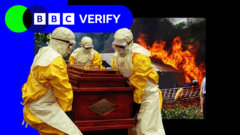
FREETOWN — Recent reports highlighted by international monitors underscore a persistent and dangerous challenge facing public health interventions across the region: the proliferation of dangerous misinformation surrounding infectious diseases like Ebola, which continues to incite violence against medical infrastructure and frontline personnel.
According to insights derived from recent BBC News Africa coverage, deeply entrenched false claims asserting that the disease is a fabrication have directly catalyzed physical assaults on dedicated health workers, the targeted destruction of treatment facilities, and severe disruptions to safe burial protocols. These hostile incidents pose a catastrophic threat not only to containment efforts but to the broader stability of fragile healthcare systems operating in vulnerable communities.
The Economics and Logistics of Fear
When communities resort to attacking medical infrastructure, the immediate logistical fallout includes the suspension of vital outreach programs, diagnostic testing, and contact tracing. Economically, prolonged health crises severely depress local commerce, disrupt agricultural supply chains, and strain national budgets as governments are forced to reallocate scarce resources toward security and emergency response rather than sustainable development. Public health experts warn that restoring broken trust requires sustained, transparent engagement with local leaders and community stakeholders to dismantle the fabricated narratives driving this unrest.
Implications for Regional Security and Public Trust
The erosion of public trust in medical professionals remains one of the most formidable barriers to epidemic management. Security analysts and regional health officials emphasize that combating these outbreaks necessitates a dual approach: robust physical protection for medical personnel coupled with aggressive, culturally sensitive communication campaigns. As authorities work to counter harmful rumors, the international community continues to stress that protecting health workers is paramount to safeguarding both national security and public health across West Africa.