
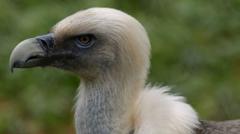

Across the vast expanse of the Nigerian landscape, an ecological silent crisis is quietly unfolding, threatening public health, environmental integrity, and the delicate balance of West Africa's biodiversity. Vultures, the unheralded scavengers of the animal kingdom, are disappearing at an alarming rate. Yet, amidst the rising tide of superstition, illicit trade, and habitat degradation, a singular, resolute figure has emerged to stand against the tide. Known locally and affectionately as the "Vulture King," this conservation champion is waging an uphill battle to rewrite the narrative surrounding some of nature’s most misunderstood creatures, striving to reverse a trend that could have catastrophic consequences for the entire region.
To understand the gravity of the current situation in Nigeria, one must first comprehend the profound ecological niche that vultures occupy. Often reviled in popular culture and folklore across the globe, these magnificent raptors are, in reality, the ultimate sanitation workers of the natural world. By consuming carcasses with unmatched efficiency, they prevent the proliferation of deadly pathogens, bacteria, and diseases that could easily spill over into human populations and livestock. In regions where municipal waste management and livestock disposal infrastructure are frequently strained or entirely absent, the services provided by vultures are not merely beneficial—they are an indispensable line of defense for public health.
However, the contemporary reality for Nigerian vultures is grim. Populations of several species, including the Hooded Vulture and the White-backed Vulture, have plummeted precipitously over the past few decades. The causes of this steep decline are multifaceted, deeply rooted in a complex web of cultural beliefs, economic pressures, and changing land-use patterns. Unlike charismatic megafauna such as elephants, lions, or gorillas, which regularly command global conservation attention and funding, vultures face a severe PR problem. For centuries, these birds have been doggedly associated with death, decay, and sinister portents, creating an uphill battle for conservationists attempting to foster public empathy.
The Historical and Cultural Roots of Vulture Persecution in West Africa
The animosity directed toward vultures in Nigeria is not a recent phenomenon; it is deeply embedded in the historical, folkloric, and spiritual traditions of various ethnic groups across the country. In many traditional belief systems, vultures are viewed through a lens of superstition. Their scavenging habits, bald heads adapted for hygiene while feeding on carcasses, and ominous circling behaviors high above the savannah have historically earned them a reputation as messengers of doom, harbingers of death, or associates of dark witchcraft.
Compounding this cultural aversion is the burgeoning trade in traditional medicine, locally referred to as *Ifunpa* or associated with *Babalawo* (traditional healers) practices. In certain spiritual circles, various body parts of vultures—ranging from their heads and feathers to their talons and internal organs—are believed to possess potent mystical properties. These items are frequently sought after for rituals intended to bring wealth, secure protection against enemies, induce foresight, or ward off malevolent spirits. The commercialization of traditional medicine has thus transformed vultures from wild creatures fulfilling a natural function into high-value commodities on the black market.
Furthermore, the rapid modernization and urbanization of Nigeria have increasingly distanced urban and semi-urban populations from the natural world, fostering a profound disconnect regarding ecosystem services. As traditional knowledge systems erode or become distorted, the superstitious fear of vultures often remains, while the traditional understandings of their ecological importance are lost. This dangerous combination leaves the birds vulnerable to indiscriminate killing by communities that view them either as nuisances, omens of bad luck, or lucrative targets for poachers supplying the traditional medicine markets.
Meet the 'Vulture King': A Profile in Conservation Courage
Enter the man widely celebrated as the Vulture King—a passionate, tireless Nigerian conservationist who has dedicated his life, career, and personal resources to protecting these avian scavengers. Operating in environments where wildlife conservation is frequently sidelined in favor of pressing socioeconomic concerns, the Vulture King has adopted a holistic, community-centric approach to reversing the fortunes of Nigeria's declining vulture populations.
His journey into vulture conservation began not out of academic detachment, but from a profound firsthand observation of the ecological vacuum left behind in areas where vultures had already vanished. Recognizing that traditional top-down conservation mandates rarely succeed in developing nations without grassroots buy-in, the Vulture King chose a path of education, dialogue, and rehabilitation. He travels extensively across rural and urban communities, holding town hall meetings, visiting schools, and engaging directly with traditional leaders and spiritual practitioners.
At his sanctuary and rehabilitation center, injured, poisoned, or rescued vultures find a safe haven. Here, the Vulture King and his dedicated team nurse the birds back to health, study their behavior, and, whenever possible, release them back into the wild. More importantly, the sanctuary serves as an educational hub. By allowing skeptics and school children to interact closely with the birds, observe their gentle behaviors, and learn about their crucial cleaning role, the sanctuary shatters deeply ingrained myths one visitor at a time. The Vulture King often uses a simple yet powerful analogy during his outreach programs: treating vultures as enemies is akin to firing the cleaning crew while a hospital is overflowing with waste.
The Wider Ecological Ripple Effects: Why Vultures Matter to Everyone
To fully grasp why the Vulture King's mission is of paramount national and international importance, one must analyze the broader systemic consequences of vulture extinction. When vulture populations collapse, nature's intricate recycling mechanism breaks down instantly, setting off a devastating chain reaction throughout the ecosystem.
In the absence of vultures, carcasses of wild animals and livestock linger in the environment for significantly longer periods. This prolonged decomposition timeline creates an abundant, unchecked breeding ground for dangerous pathogens, including the bacteria responsible for anthrax, botulism, and rabies. Furthermore, opportunistic scavenger species that do not process pathogens as efficiently as vultures—such as feral dogs and rats—often move in to fill the ecological void. Unlike vultures, whose highly acidic digestive systems destroy pathogens completely, feral dogs and rodents act as vectors, carrying these deadly diseases directly into human settlements and agricultural centers.
A stark historical precedent for this phenomenon can be observed in South Asia, where the catastrophic collapse of vulture populations in India, Pakistan, and Nepal during the late 1990s—driven primarily by the veterinary drug diclofenac—led to a massive explosion in feral dog populations. This surge in canine numbers directly correlated with a tragic spike in human rabies cases, resulting in tens of thousands of preventable human deaths and billions of dollars in economic and public health costs. Public health experts and environmental scientists fear that Nigeria and the broader West African region could be sleepwalking toward a similar sanitary catastrophe if the ongoing decline of vultures is not halted and reversed.
Socioeconomic and Political Implications of Biodiversity Loss in Nigeria
The plight of Nigerian vultures cannot be divorced from the country's broader socioeconomic and political landscape. Nigeria, as Africa's most populous nation and one of its largest economies, faces a multitude of compounding challenges—ranging from poverty and food insecurity to energy scarcity, infrastructure deficits, and security crises in various regions. In such an environment, environmental conservation is frequently deprioritized by policymakers who view wildlife protection as a luxury rather than an essential component of national security and sustainable development.
However, seasoned political analysts and environmental economists argue that this perspective is dangerously shortsighted. Biodiversity loss and ecosystem degradation directly undermine economic stability, agricultural productivity, and human capital development. When sanitation systems fail due to the absence of natural scavengers, the burden on the national healthcare system increases exponentially. Diseases that could have been naturally suppressed by scavenger populations require expensive medical interventions, diverting scarce public funds away from education, infrastructure, and poverty alleviation initiatives.
Moreover, the illegal trade in wildlife parts—including the harvesting of vultures for traditional medicine—points to deeper institutional and regulatory gaps. While Nigeria is a signatory to various international conservation treaties and possesses domestic environmental protection laws, enforcement mechanisms remain notoriously weak. Corruption, underfunded wildlife departments, and porous borders facilitate the illicit trafficking of protected species both within the country and across international borders. Empowering figures like the Vulture King and integrating community-led conservation frameworks into national policy is therefore not merely an ecological necessity, but a vital test of governance and institutional resilience.
Poisoning, Habitat Destruction, and Direct Threats to Survival
Beyond superstition and the traditional medicine trade, Nigerian vultures face severe existential threats stemming from modern human activities. Chief among these is indirect and direct poisoning. Across many agricultural and pastoralist regions, farmers and herders occasionally use highly toxic agricultural chemicals—such as carbofuran or organophosphates—to eliminate predators like hyenas, jackals, or stray dogs that threaten livestock. Vultures, being gregarious and swift scavengers, are frequently the first to arrive at these poisoned carcasses. A single poisoned bait can wipe out dozens, or even hundreds, of vultures in a matter of hours, devastating local populations instantly.
In addition to poisoning, rapid habitat destruction poses a monumental challenge. As Nigeria's human population surges toward projected milestones, sprawling urban centers, expanding agricultural plots, and infrastructural projects continue to fragment and destroy natural habitats. Large, mature trees—such as baobabs and silk cotton trees—which vultures rely upon for nesting and roosting sites, are frequently felled for timber, charcoal production, or land clearance. Without safe, undisturbed spaces to breed and raise their young, vulture reproductive rates drop drastically, making population recovery exceedingly difficult.
Climate change further exacerbates these environmental stressors. Extended droughts, erratic rainfall patterns, and desertification creeping southward from the Sahel region alter the availability of food sources and degrade traditional habitats. The Vulture King and his team frequently find themselves battling on multiple fronts simultaneously—treating poisoned birds, rescuing nestlings from felled trees, negotiating with landowners to preserve roosting sites, and lobbying local authorities to crack down on the illegal chemical trade.
Global Perspectives and International Conservation Frameworks
The crisis facing African vultures has not gone unnoticed by the international conservation community, though support has historically lagged behind Asian or American vulture initiatives. Organizations such as BirdLife International and the IUCN (International Union for Conservation of Nature) have highlighted the alarming downward trajectory of African raptors, categorizing several species as Critically Endangered or Endangered.
International cooperation is crucial because vultures are highly mobile birds, often crossing international boundaries in search of food and suitable habitat. A vulture hatched in Nigeria may forage in neighboring Niger, Benin, or Cameroon, meaning that conservation successes in one country can be easily undermined by lax protections in another. Global conservation strategies emphasize the need for cross-border monitoring networks, harmonized legal frameworks, and financial mechanisms that transfer resources from developed nations to frontline conservationists in the Global South.
Experts point out that the work being done by the Vulture King aligns closely with global frameworks such as the Multi-species Action Plan to Conserve African-Eurasian Vultures (Vulture MsAP), endorsed under the Convention on Migratory Species (CMS). However, translating high-level international agreements into tangible, on-the-ground impact in rural Nigerian communities requires local translators of culture and science—a role that the Vulture King fulfills with remarkable dedication and cultural fluency.
The Strategy of Engagement: Changing Hearts and Minds
What sets the Vulture King's approach apart from traditional Western conservation models is his deep respect for and engagement with indigenous knowledge systems. Rather than dismissing traditional beliefs as mere ignorance, he engages directly with traditional rulers, spiritualists, and elders, seeking common ground and fostering constructive dialogue.
In many discussions with traditional healers, the Vulture King emphasizes sustainable alternatives and challenges the narrative that spiritual well-being requires the destruction of endangered wildlife. By partnering with progressive traditional leaders who recognize that the total disappearance of vultures would bring spiritual and physical misfortune to their communities, he has successfully persuaded several local leaders to issue decrees banning the hunting and killing of vultures within their domains.
Educational outreach targeting the younger generation is another cornerstone of his strategy. Children, possessing less entrenched prejudice than older generations, prove to be enthusiastic ambassadors for wildlife conservation once they learn about the fascinating biology and ecological importance of vultures. School clubs, art competitions focused on nature, and guided visits to the rehabilitation sanctuary help cultivate a new generation of Nigerians who view vultures not with fear and disgust, but with pride and respect as guardians of the environment.
Future Outlook: Can the Trend Be Reversed?
As we look toward the future, the trajectory of vulture conservation in Nigeria remains finely balanced on a knife-edge. The challenges are undeniably immense: rapid population growth, entrenched cultural practices, weak law enforcement, and pervasive economic hardships continue to exert relentless pressure on already depleted wildlife populations.
Yet, there is cautious room for optimism. The tireless advocacy of the Vulture King and a growing network of allied conservationists, researchers, and community leaders have injected new life into the movement. Awareness is slowly rising in urban centers, and media coverage is helping to shift national consciousness regarding the indispensable role of scavengers in the web of life.
For this positive momentum to translate into lasting ecological recovery, however, systemic changes are required. The Nigerian government must step up enforcement against illegal wildlife trafficking and toxic pesticide abuse. Public health agencies must recognize vulture conservation as an integral component of preventative healthcare policy. Furthermore, sustained financial and institutional backing must be channeled directly to grassroots initiatives and local champions who understand the nuances of community engagement.
The story of the Vulture King in Nigeria is ultimately a testament to the profound impact that individual dedication can have in the face of overwhelming odds. It is a reminder that even the most neglected and misunderstood creatures have defenders willing to fight for their survival. Whether Nigeria and the wider international community will rally behind this mission in time to save these vital birds from the brink of extinction remains one of the most critical environmental questions of our era. What is certain, however, is that as long as the Vulture King and his allies continue their watch, the majestic scavengers of the Nigerian skies still have a fighting chance.


