
Botswana Celebrates 60 Years of Independence as Diamond Dependence Tests Its Progress
Botswana's transformation from one of the world's poorest countries into an upper-middle-income democracy is being tested by falling diamond demand, economic contraction and high unemployment.

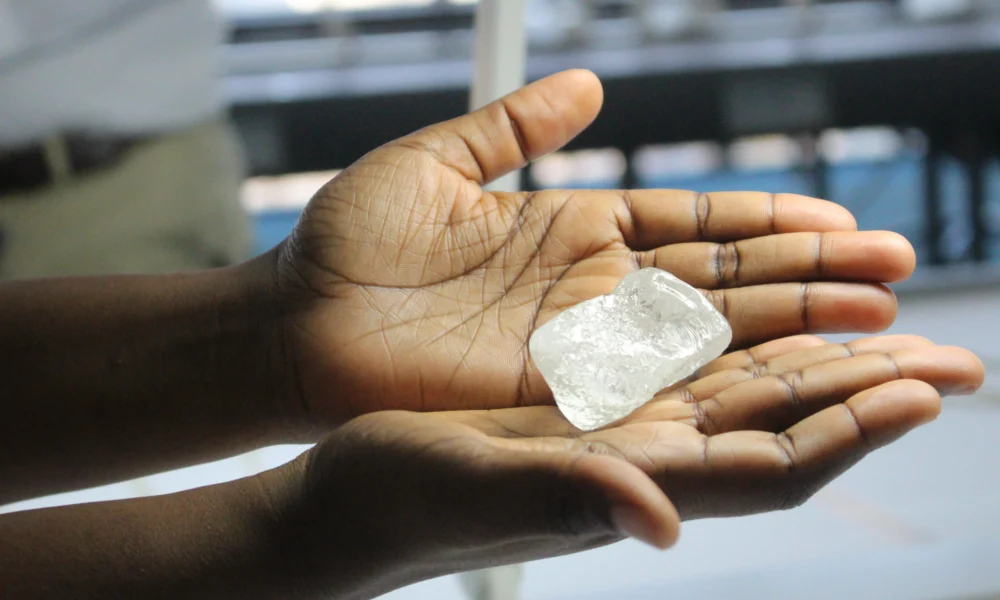
Botswana is marking 60 years of independence from Britain with Diamond Jubilee celebrations, highlighting a development record built largely on the careful management of diamond wealth.
Table Of Content
At independence in 1966, the former Bechuanaland Protectorate had about 12 kilometres of paved road, 22 university graduates and roughly 100 secondary-school graduates. It has since become an upper-middle-income country and a stable democracy.
An analysis published by Al Jazeera attributes much of that progress to the use of diamond revenues for infrastructure, education, healthcare and other public services. Botswana became the first country to graduate from the United Nations’ least-developed country category in 1994.
Public investment and social gains
The country’s road network had expanded to almost 35,000 kilometres by 2024, while 80.2 percent of the population had access to electricity. The share of Batswana living in urban areas rose from 9.1 percent in 1971 to 66.5 percent in 2022.
Education also expanded, with 192,151 secondary-school pupils recorded in 2022 and 60,287 students enrolled in tertiary institutions in 2024. The national poverty rate fell from 30.6 percent in 2002/03 to an estimated 14.5 percent in 2022.
Botswana’s health system has also benefited from public investment. About 85 percent of the population lives within five kilometres of a health facility. In 2002, the country launched Africa’s first national free comprehensive HIV treatment programme. The article says 98 percent of pregnant women living with HIV receive treatment, while transmission to children is about 1.2 percent.
The Pula Fund has been used to preserve part of the country’s wealth for future generations and help cushion economic shocks linked to minerals. Botswana owns 50 percent of Debswana, its diamond-mining joint venture with De Beers.
Pressure from weaker diamond demand
Despite its gains, Botswana remains heavily reliant on diamonds. Almost 90 percent of goods exports over the past decade have come from diamonds, which generate about one-third of national revenue and three-quarters of foreign-exchange earnings.
Weaker global demand for natural diamonds, softer luxury spending and competition from laboratory-grown stones contributed to economic contractions of 2.8 percent in 2024 and 0.7 percent in 2025. Unemployment stood at 21 percent in the latest household survey cited, rising to 28.9 percent among people aged 15 to 35.
A 2025 agreement with De Beers increases the share of Debswana production allocated to the state-owned Okavango Diamond Company to 30 percent. That share is due to rise to 40 percent after 2030 and could reach 50 percent thereafter. The agreement also provides for jewellery manufacturing, diamond grading and vocational training.
Calls for a broader economy
The Al Jazeera analysis argues that Botswana must use the current pressure to accelerate diversification into technology, energy, manufacturing, tourism and exports.
Internet access reached 68.9 percent of households in 2024, up from 40.6 percent a decade earlier, but information and communications technology accounted for only 2 percent of employment in 2025. The analysis says connectivity will need to translate into jobs in software, fintech, digital services and technology businesses.
Tourism is identified as an existing strength. The sector provides about 50,500 jobs, equal to 6.7 percent of total employment, and accounts for more than 60 percent of services exports. Roughly 40 percent of Botswana’s land is under protected status.
A 500-megawatt solar plant with 500 megawatt-hours of battery storage is being built at Maun, reflecting efforts to expand renewable energy. The country also faces the challenge of increasing exports: more than 95 percent of private-sector sales remain domestic, while only 9 percent of surveyed firms export.
Botswana’s political transition has added to its record of institutional stability. In 2024, voters elected the opposition Umbrella for Democratic Change after 58 years of Botswana Democratic Party rule, and the outgoing government relinquished office peacefully.
The country’s experience is presented as evidence that the results of mineral wealth depend on who controls it, how revenues are protected and whether they are converted into public services and broader economic security. Its next phase will test whether that model can move beyond diamonds.






No Comment! Be the first one.