
Kenyan AI Users Turn to Chatbots for Personal Guidance and Confidential Matters
Research by Nairobi-based consultancy Nendo suggests that digitally literate Kenyans are using generative AI for emotional support, personal advice and issues they do not share with other people.

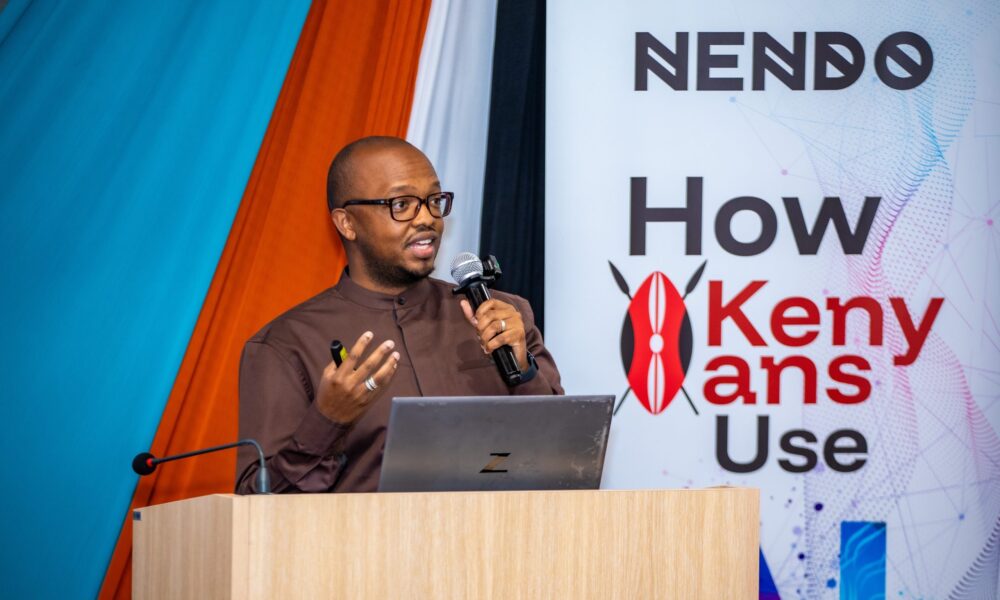
Digitally connected Kenyans are increasingly using generative artificial intelligence not only for work and study, but also for emotional support, personal guidance and confidential matters, according to findings from Nairobi-based research consultancy Nendo.
Table Of Content
The survey covered 1,200 digitally literate, AI-aware people across 18 counties, with 1,161 completing the detailed artificial intelligence module. Nendo cautioned that the findings are not nationally representative. The participants were younger, better educated and more active online than the average Kenyan adult.
Personal and emotional use
According to the survey, 72% of respondents had used AI for emotional support or to navigate personal circumstances. More than half, or 54.1%, said they did so weekly.
Some respondents also described using chatbots for matters they kept secret from other people. Nendo reported that 46.3% had used AI in this way.
The reported uses extended beyond personal conversations. Respondents said they used AI to prepare business plans, obtain financial guidance, complete academic coursework, translate regional languages, develop lesson plans, write cover letters and produce research papers.
One male respondent aged between 25 and 34 in Nyeri said he used AI to draft meeting minutes, find holiday accommodation and seek emotional support.
Younger users report higher reliance
The survey found that younger respondents were more likely than older participants to report using AI for emotional support or personal guidance. The reported rate was 76% among those aged 18 to 24 and 81.4% among those aged 25 to 34. It fell to 63.8% among respondents aged 35 to 44 and was below 50% among those aged 45 and above.
Women were also more likely than men to report emotional or personal use of AI, at 76% compared with 68.4%.
However, the findings do not establish why these differences exist. Nendo also said it would be premature to conclude that younger people or women are replacing human relationships with AI.
Trust and local relevance
Respondents reported substantial trust in AI when making several types of decisions. The proportions expressing high or complete trust stood at 57.9% for career decisions, 55.7% for legal issues, 53.5% for financial choices and 50% for health matters.
Trust was lower for family-related guidance, where 39.9% of participants reported equal trust in AI.
The survey also examined how well respondents believed AI systems reflected Kenyan life and culture. While 72.5% said the models broadly understood daily life in Kenya, 25.1% reported receiving recommendations that were completely at odds with local culture or values.
Nearly three-quarters said they would use AI more if the systems had a better understanding of indigenous languages and cultural nuances. Language performance remained a concern: only 34.9% rated AI responses in Kiswahili or Sheng as very good or excellent, while 35.8% rated them fair or poor.
Nendo said meaningful localisation requires AI systems to understand “the difference between Kenya and a stereotype.”
Limits of the findings
The survey did not classify every personal query as clinical therapy, nor did it assess the safety or factual accuracy of the responses received. It also did not test why respondents expressed greater trust in AI for some areas, such as legal matters, than for family-related issues.
The findings therefore point to changing patterns of AI use among a specific, digitally engaged group rather than representing the views of Kenya’s entire population.






No Comment! Be the first one.