
Uganda to Import Up to 1,000 Transformers Amid Power Outage Concerns
Uganda Electricity Distribution Company Limited will import up to 1,000 transformers after local procurement efforts failed to meet the sector's demand, according to Energy State Minister Sidronius...

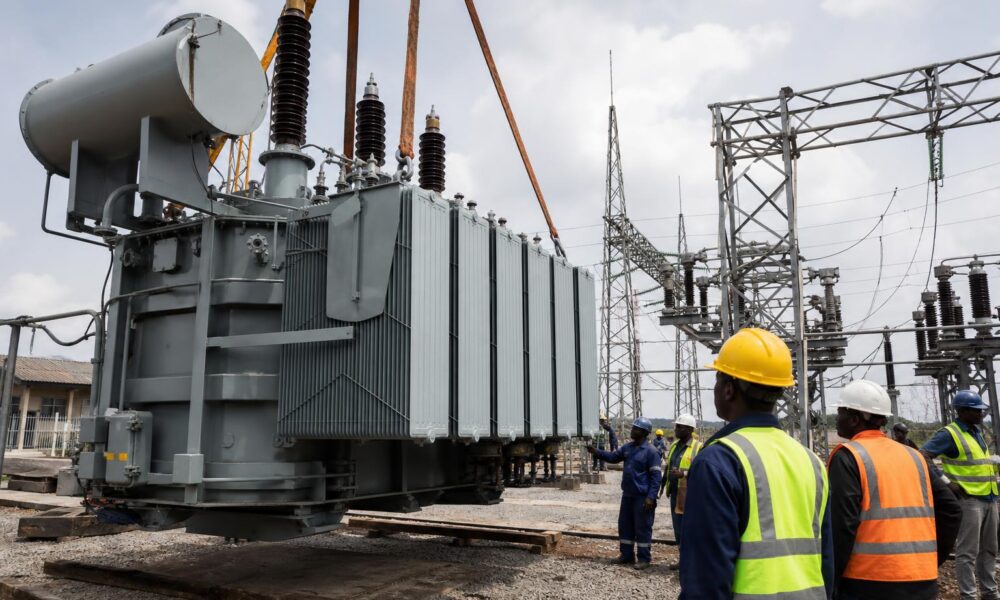
Uganda Electricity Distribution Company Limited (UEDCL) plans to import up to 1,000 transformers as the country responds to persistent power supply outages and strained distribution infrastructure.
Energy State Minister Sidronius Okaasai disclosed the plan during debate on a report by the Committee on Environment and Natural Resources concerning recurring electricity outages. He said import restrictions had been lifted and that UEDCL was advertising internationally for transformer suppliers.
Okaasai said a procurement plan involving Ugandan companies under the Buy Uganda Build Uganda policy had not produced enough equipment to meet demand.
“We are generating more power but the existing electricity lines cannot cope,” Okaasai said, adding that infrastructure upgrades were under way. He said the work included replacing or improving conductors and other parts of the electricity network.
Overloaded network
The minister said some electricity lines were carrying demand beyond their original design capacity. In one example, he said a line intended for 130 kVA was facing higher demand than it could supply.
Okaasai also said UMEME had not invested in infrastructure during the three years leading up to its concession. He said most conductors were transmitting power below the requirements created by the amount of electricity being generated.
Lawmakers raised concerns about limited electricity extension, overloaded transformers and ageing or defective equipment. Ivan Kyeyune, the NUP representative for Nakasongola County, said electricity infrastructure distribution in his constituency stood at 16 percent.
Kyeyune said one transformer designed to serve 20 homesteads was supporting 1,000 homesteads. He called for a review of transformers in service and the installation of equipment capable of meeting local demand.
Hope Nakazibwe, the Mubende District Woman Representative, said discussions with UEDCL and its contractors indicated that some Ugandan suppliers had failed to provide materials meeting required standards and demand. She called for a clear assessment of those suppliers.
Concerns over ageing equipment
Cuthbert Abigaba, the NRM representative for Kibale County, referred to findings in the committee report on defective electricity assets. The report identified power transformers more than 30 years old, obsolete protection relays and battery systems, as well as distribution assets requiring replacement or upgrading.
Abigaba also raised concerns about the durability of installations, saying equipment failures and deteriorating poles had affected electricity extension.
Other lawmakers urged Uganda to expand its energy sources. Boniface Okot, the Kole South County MP, said Uganda’s electricity mix remained 82 percent dependent on hydropower and proposed geothermal and solar energy alongside other alternatives.
Johnson Nyeko, the NRM representative for Lamwo County, proposed biomass power and said Mandulis Energy had established two power stations in Nwoya that had supplied electricity to local residents for two years.
Okaasai said the ministry had a strategy to produce 52,000 megawatts of electricity by 2040. He said the plan included pursuing up to 24,000 megawatts from nuclear energy, while other sources such as geothermal and biomass were also being considered.


No Comment! Be the first one.