
Ebola Drug Trial Underway in Eastern Congo After Bundibugyo Exposure
A trial of an experimental post-exposure Ebola drug has begun in eastern Ituri Province, with more than 250 people exposed to the Bundibugyo strain currently participating.

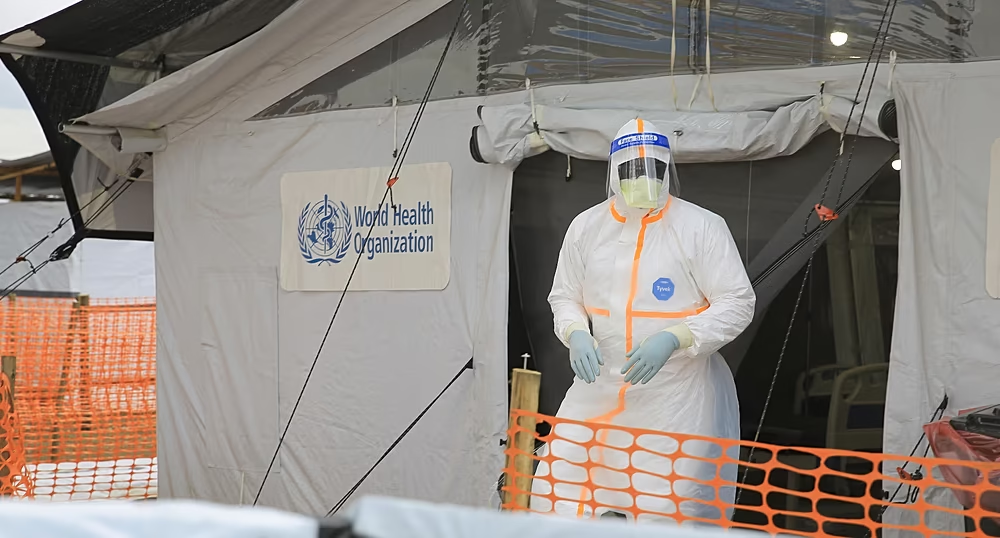
More than 250 people exposed to the Bundibugyo strain of Ebola are taking part in a trial of an experimental antiviral pill in eastern Ituri Province of the Democratic Republic of Congo.
Table Of Content
The study began in July and is examining whether the drug can help prevent infection when administered immediately after suspected contact with the virus. It is one of several studies launched in response to the outbreak.
Trial targets nearly 1,000 participants
The EBO-PEP trial aims to enrol nearly 1,000 adults and children older than 12. Eligible participants must have come into contact with a confirmed Ebola case within the previous five days and must not have symptoms.
Participants receive daily in-person monitoring for 21 days. A final phone call or visit is planned after 42 days, according to the trial arrangements.
The experimental drug is being tested as a post-exposure prophylaxis and has not been presented as an established treatment. The name of the antiviral pill has not been disclosed.
Response to a strain without a licensed vaccine
The Bundibugyo strain is rare and currently has no licensed vaccine. Congo has begun vaccinating health workers with Ervebo, a vaccine that was effective in previous outbreaks caused by a different and more common Ebola virus.
Authorities have said Ervebo may offer some protection against the Bundibugyo virus, but whether it can prevent illness caused by the strain remains under study.
Experts have described the drug trial as an important step in efforts to address the outbreak. At least 8,300 confirmed cases, including 4,000 deaths, had been recorded since the outbreak was declared in mid-May.
Participants monitored closely
Jacques Zawadi, an investigating physician with the EBO-PEP trial, said participants had generally responded positively to the study.
“To identify a medication, to treat a disease that does not have medication, this gives hope,” Zawadi said. “Most of the participants are happy to be with us and to be able to benefit from this treatment, although it is still a trial.”
The study will continue to assess the safety and potential preventive effect of the experimental pill among people recently exposed to confirmed Ebola cases.


No Comment! Be the first one.