
Ebola Deepens Mental Health Strain in Eastern Congo
Ebola is worsening a psychological crisis in eastern Democratic Republic of Congo, where stigma, isolation, grief, armed conflict and displacement are affecting patients, survivors, families and...


BUNIA, Eastern Democratic Republic of Congo — Ebola is contributing to a growing psychological crisis in eastern Democratic Republic of Congo, with health workers reporting fear, stigma, isolation and grief among patients, survivors, families and medical staff.
Table Of Content
The mental health pressure is unfolding as communities also face armed conflict and displacement. Aid workers say psychological care is needed alongside treatment for the disease as people cope with bereavement and the social consequences of Ebola.
Loss and isolation
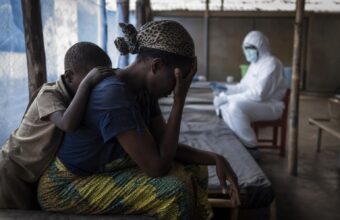
At a mental health treatment centre in Bunia, one woman is receiving support after Ebola claimed two of her close relatives and three members of her extended family.
She described how fear affected her household and said neighbours were reluctant to approach the family. “We were afraid, but we went to the hospital. Everyone at home was afraid. The neighbours are afraid to come near us. It is as though you are alone because of this disease,” she said.
Her account reflects the isolation that health workers say can accompany Ebola, particularly for people who have lost relatives or are recovering from the disease.
Stigma affects care workers and survivors
Anicet Katembo Vyaluva said stigma reaches beyond patients to include healthcare workers and Ebola survivors. He said people receiving treatment may feel separated from their communities while staying at disease treatment centres.
“It affects almost all of us, it affects the health care community, the patients themselves, even the survivors of this disease here,” Katembo Vyaluva said. He added that stigma in the community can lead to patient isolation.
Healthcare workers say this social pressure can intensify the trauma experienced by people already dealing with loss. The impact is not limited to those diagnosed with Ebola; families and survivors can also face fear and rejection.
Conflict adds to vulnerability
Mirella Riccardi, who works with MSF on mental health and psychosocial support, said the effects of Ebola are being felt in communities already weakened by violence and internal conflict.
“The crisis, the war, the conflict, internal conflict makes an already fragile community even more vulnerable,” Riccardi said. “So Ebola, it’s one more element to fragilize the condition of mental health of people.”
The situation has made psychological support an important part of the response, aid workers say. Alongside medical treatment, communities need help addressing grief, fear and the stigma surrounding Ebola.



No Comment! Be the first one.