
Charles’s Caribbean Tour Renews Calls for Slavery Reparations
King Charles III’s nine-day Caribbean tour has revived debate over the British monarchy’s historical links to slavery, with campaigners calling for recognition, an apology and financial...

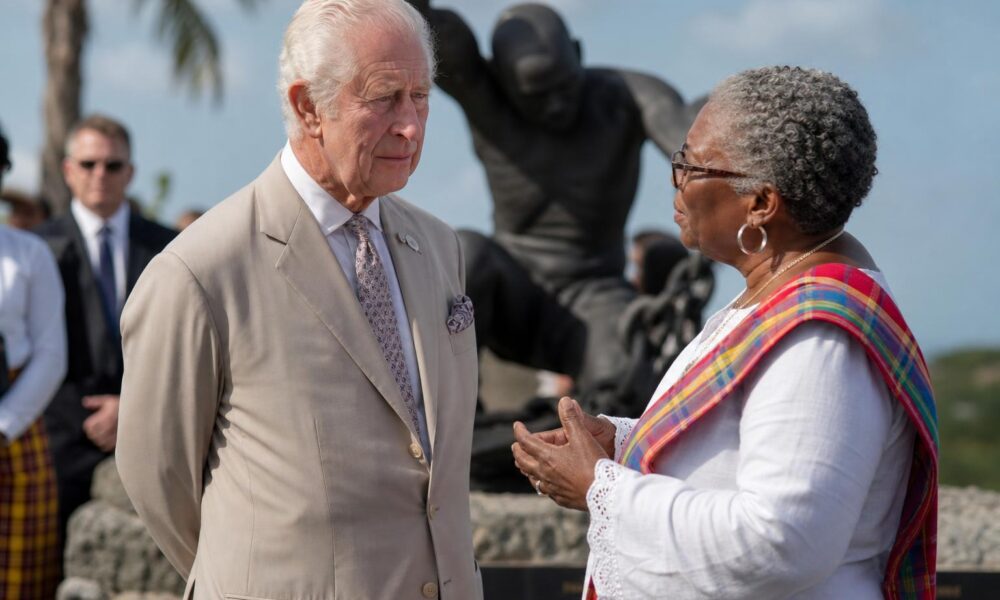
King Charles III’s nine-day tour of the Caribbean has renewed calls for the British monarchy and the United Kingdom to address their historical links to slavery.
Table Of Content
During an event in The Bahamas on Wednesday, Charles described the country’s culture as “born out of darkness” and said it was “only right” to acknowledge historic injustices.
His remarks came as campaigners in the region pressed for an apology and financial reparations. The calls have also reopened debate about what role the monarch can play in addressing the legacy of slavery.
Calls for recognition and investment
Diana Paton, a professor of history at the University of Edinburgh, said recognition of the harm suffered by the ancestors of Caribbean people remained important.
“One of the most important things that when I go to the Caribbean, people emphasise what they want is recognition,” Paton said.
She said that recognition should include an acknowledgement of the harm done across generations, an apology and investment in areas such as education and health systems.
Other commentators have called on Charles to bring the issue into public discussion and enter into dialogue with descendants of enslaved people during his tour.
Debate over the monarchy’s role
Brooke Newman, an associate professor of history at Virginia Commonwealth University, said the king’s position made the issue particularly sensitive. Charles is head of the Commonwealth and remains head of a number of Commonwealth realms.
Newman said the monarch was also institutionally connected to an institution that, in her assessment, was involved in the transatlantic slave trade, expanded it, benefited from it and defended it for centuries without officially acknowledging that role.
She also said the UK government had shown no interest in discussing reparations or apologising for slavery, regardless of whether the prime minister was from the Conservative or Labour Party.
Those comments were presented as an assessment of the monarchy’s historical role and the government’s position.
Responsibility rests with government, expert says
Craig Prescott, an expert in UK constitutional law at Royal Holloway, University of London, said decisions on reparations were not a matter for the king.
He said any payments would come from public funds and would therefore require the accountability of the British government to Parliament. “It’s not a matter for the king,” Prescott said.
Prescott described the government’s longstanding policy as acknowledging that slavery took place and was a stain on British history, while rejecting the payment of reparations.
Charles is scheduled to attend the Commonwealth Heads of Government Meeting the following week, where he is expected to meet leaders of the Commonwealth’s 56 member states. The tour and the upcoming meeting have placed renewed attention on how the monarchy and the UK address the historical legacy raised by Caribbean campaigners.



No Comment! Be the first one.