
Nairobi Construction Boom Puts Urban Trees and Wildlife Under Pressure
Nairobi's rapid construction growth is driving tree felling and altering wildlife habitats, prompting protests and legal action against some development projects.

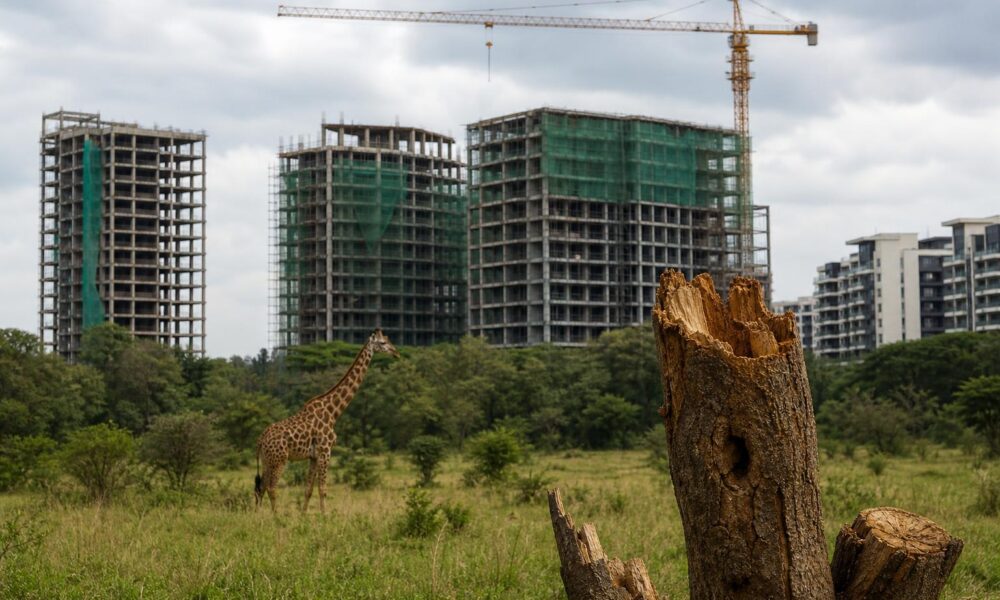
NAIROBI, Kenya — Nairobi’s expanding construction activity is putting pressure on the city’s trees and green spaces, with roadworks and other projects contributing to the loss of urban habitat.
Table Of Content
Trees were being felled to make way for a larger road, while heavy machinery has become a familiar sight in green areas across the capital. A spot check also found dozens of public and private developments underway, with tree clearing continuing in different parts of the city.
The building surge has followed population growth over the past decade. Kenya’s Treasury said the country’s construction sector grew by 6.8% in 2025, compared with 0.7% the previous year. In Nairobi, private building completions reached 25,090 during 2025.
Pressure on Nairobi’s green character
Nickson Otieno, an architect and sustainability practitioner at Niko Green, said the city’s growing population was increasing demand for development while available land remained limited.
Otieno said decisions on new construction should take account of whether land is protected or zoned for development. Where development is permitted but trees and biodiversity are already present, he said, deliberate choices should be made about what can be retained.
Nairobi was previously celebrated as the “Green City in the Sun”. Kelvin Kubai, an environmental law advocate, said that character had been weakened over the past decade by some developers who regarded trees as obstacles rather than an important part of the city.
The source report did not specify the number of trees removed, the total area affected or the identities of all the projects observed.
Wildlife adapting to changing habitats
The loss of vegetation is also affecting Nairobi’s wildlife. Marabou storks, which are common in the city, previously relied heavily on trees for nesting and perching. They now also use billboards and buildings as their surroundings change.
John Musina, an ornithologist, said bird numbers can provide an indication of wider environmental conditions in an urban area. He described birds as environmental indicators because their presence reflects other elements of the habitat.
The changes in nesting and perching patterns show how urban development is influencing both wildlife habitats and animal behavior.
Legal and public opposition
Public protests and legal proceedings in recent months have challenged several government-led development projects in Nairobi.
On October 27, 2026, the Nairobi-based Environment and Land Court issued conservatory orders halting construction of a proposed car park at Nairobi National Park. The orders followed a lawsuit filed by 4,642 activists opposing the project.
The court action has become one of the clearest legal challenges to development affecting Nairobi’s green spaces. The available information does not state the final outcome of the lawsuit.
As construction continues across the capital, the dispute has focused attention on how Nairobi can accommodate population growth while preserving trees, biodiversity and habitats that contribute to the city’s environmental character.





No Comment! Be the first one.