
Caine Prize clears Zimbabwean author after AI authorship investigation
The Caine Prize for African Writing has cleared Zimbabwean author Simbarashe Kundizeza following a month-long investigation into claims that artificial intelligence was used to write his winning...

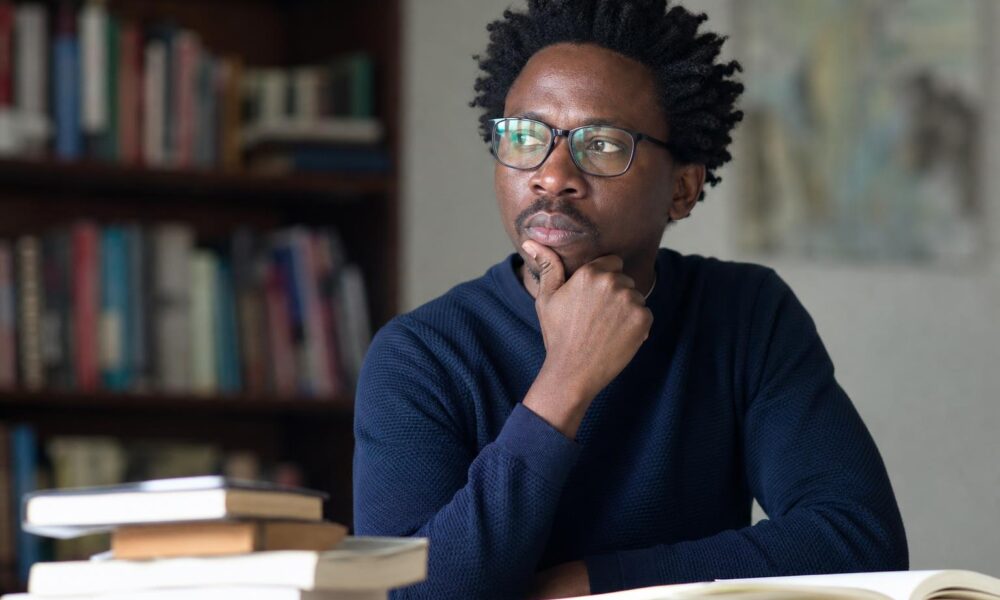
The Caine Prize for African Writing has cleared Zimbabwean author Simbarashe Kundizeza of allegations that artificial intelligence was used to write his award-winning short story, “The Blue Fighter.”
Table Of Content
After a month-long investigation, the prize committee said its review found that Kundizeza’s entry was “human-written” and that it considers the matter closed.
Investigation followed authorship allegations
Kundizeza was announced as the winner of the $13,000 Caine Prize on 6 October. His story focuses on the financial difficulties experienced by a family after the father leaves his job to build fish tanks.
Days after the announcement, an article in The Atlantic reported a claim that Pangram, an artificial-intelligence detection tool, had assessed the story as almost completely artificially generated. The claim was attributed to the publication and was followed by wider discussion about the reliability of such tools.
The Caine Prize said its review included detailed interviews with Kundizeza and analysis of metadata from drafts of the story. It did not provide the names of those involved in the investigation or detailed findings from the metadata analysis.
Author says allegations were deeply upsetting
Kundizeza said he felt “relieved and happy” after the committee cleared him. He described the allegations as “obviously very troubling and upsetting,” saying they challenged his existence, talent, integrity and wider body of work.
“It’s not just questioning your integrity it’s questioning your whole body of work and attributing that work to a machine that you didn’t actually write it, you didn’t think of these things,” he said.
Kundizeza also questioned the reliability of the technology involved in the allegation. “The whole allegation was centred on a piece of technology that’s not very accurate in my opinion. So to have a human-centred approach to that investigation was for me important,” he said.
He said the investigation gave him an opportunity to demonstrate his authorship and provide details about the story and its development.
Prize announces new submission measures
The controversy prompted debate on social media about whether Black authors may be unfairly targeted by accusations involving artificial intelligence. Dr Reggermore Marongedze said doubts about whether a person could produce exceptional work could also reflect doubts about human intelligence.
“The moment we doubt that a human being can produce such a brilliant work it means that we are doubting the intelligence of a human being,” Marongedze said. He added that such accusations could also be used “in the racial context as well to discredit black scholars.”
The Caine Prize said it looks forward to celebrating Kundizeza in Zimbabwe before the end of the year. It also announced that publishers submitting stories and all shortlisted writers will be required to make declarations about artificial-intelligence use.
The organisation further said it had introduced an “AI use policy for guidance” covering future submissions.






No Comment! Be the first one.