
COP31 Climate Talks End Without Agreement After Fossil-Fuel Dispute
COP31 negotiations ended without an agreement after countries failed to resolve a dispute over fossil-fuel language in the proposed climate deal.

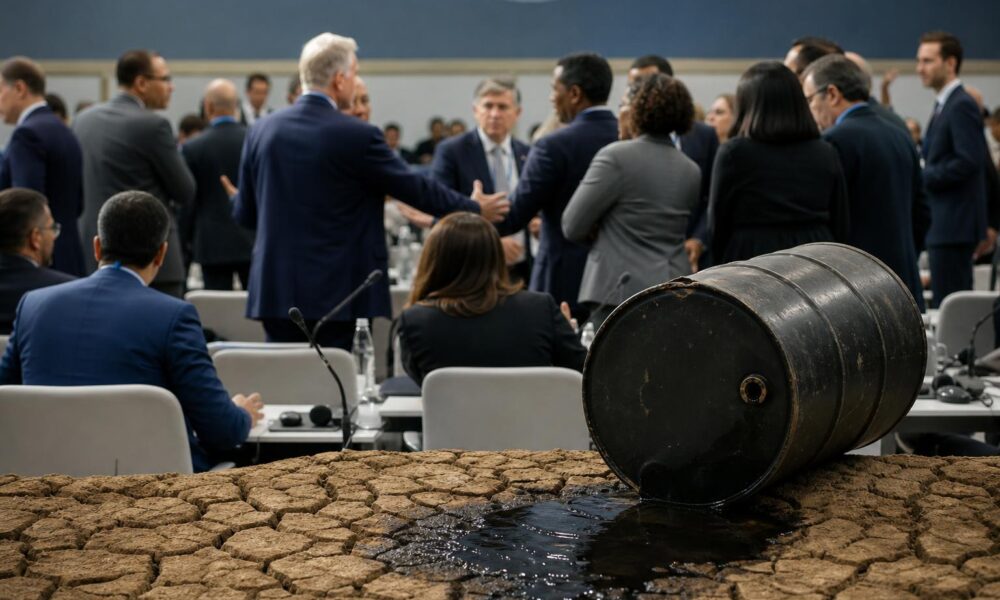
United Nations climate talks at COP31 ended without agreement after negotiators failed to resolve deep divisions over how directly the final text should address fossil fuels.
Table Of Content
The negotiations continued into overtime after key oil- and gas-producing countries opposed references to fossil fuels. Several countries and negotiating blocs also criticised the draft put forward by the COP31 presidencies of Turkiye and Australia, saying it was too weak to respond to global warming.
If it had been approved, the proposed text would have acknowledged for the first time that global temperatures were on course to exceed 1.5 degrees Celsius, the threshold countries had sought to preserve under the 2015 Paris Agreement.
Dispute over fossil-fuel language
The European Union said it would not endorse an agreement that failed to mention fossil fuels. In a statement explaining the bloc’s position, it said the draft “does not even mention fossil fuels”, which it described as the key driver of climate change, adding that it would not accept “negotiating backward in time”.
Samira Nawa said the EU’s objections centred on mitigation, the absence of fossil-fuel language and insufficiently strong wording on science. Kate Hughes separately assessed the draft as one that “moves us backwards on the science” and said it failed to reflect the urgency and scale of the climate crisis.
Russia’s delegate, Sergei Kononuchenko, opposed formulations on fossil fuels. He argued that cutting oil and gas supplies could result in a shift towards more polluting fuels and contribute to energy poverty. The Saudi delegation said climate change required all possible solutions to remain under consideration.
Chris Bowen, Australia’s minister for climate change and energy, described the failure to reach an agreement as “very disappointing”. He said the dispute focused on the transition away from fossil fuels, with some parties insisting that the issue had to be mentioned and others saying they would veto any text that included it.
Criticism from vulnerable countries
The revised text also removed a $120bn target for financial support to help poorer countries adapt to climate change.
The Least Developed Countries group, which represents 44 countries and more than 1 billion people, said it had struggled to find outcomes that addressed the priorities of the most vulnerable states. The group includes Pacific island nations such as Tuvalu and Kiribati, as well as Bangladesh, Nepal and the Democratic Republic of the Congo.
The Marshall Islands delegation said the proposed text failed to meet the requirements of international law, scientific evidence and the urgent needs of vulnerable communities. “We have been let down on all sides,” the delegation said in its response to the proposed approach to climate overshoot.
Kenya’s delegation complained that the draft did not specifically mention Africa or account for the continent’s special needs and circumstances. It also said that countries that had taken the lead in cutting emissions should take the lead in providing support.
Talks end without a new draft
Antonio Guterres, the United Nations secretary-general, said he was deeply disappointed that COP31 had ended without consensus on an overarching outcome. He also expressed frustration among those who expected governments to respond to the demands of the climate crisis.
Murat Kurum, Turkiye’s environment, urbanisation and climate change minister, said negotiators had done everything possible and warned against allowing disagreement over a single word or phrase to prevent a result. He later said there would be no new text, because work on another draft could not continue without consensus, and that existing decisions would be implemented.
The failure marks the first time since the annual UN climate talks in Copenhagen in 2009 that the negotiations have not ended in an agreement. Bowen said the collapse came despite other clean-energy commitments made during COP31, including an electrification pledge signed by more than 90 countries.


No Comment! Be the first one.