
Tanzanian Opposition Activist Missing After Alleged Abduction in Kenya
The whereabouts of Tanzanian opposition activist Twaha Salim Mwaipaya remain unknown after unidentified individuals allegedly removed him from a taxi in Kenya's Machakos County.

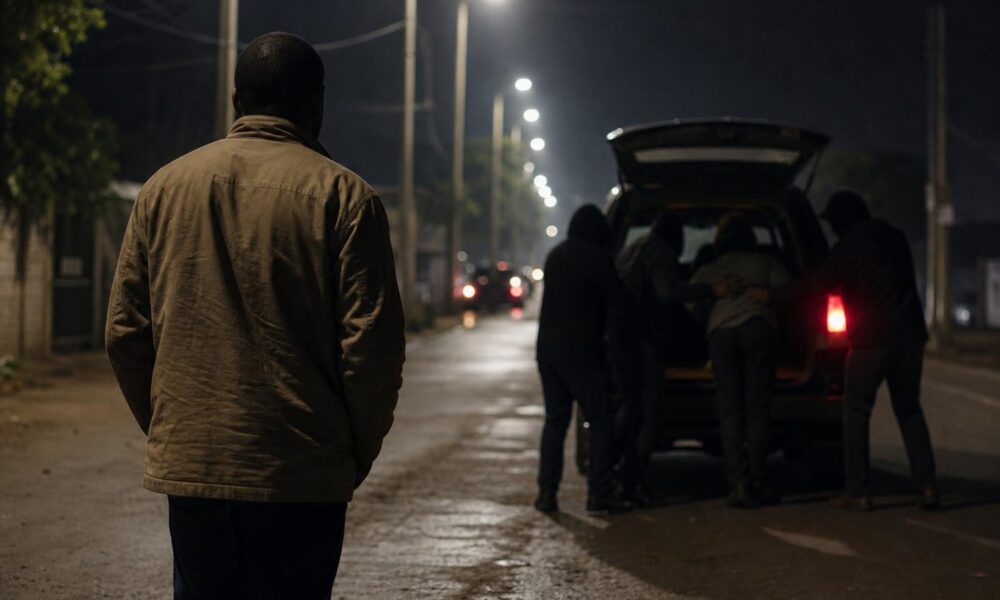
The whereabouts of Tanzanian opposition activist Twaha Salim Mwaipaya remain unknown after unidentified individuals allegedly removed him from a taxi in Kenya’s Machakos County, prompting calls for an investigation into possible cross-border repression.
Table Of Content
Mwaipaya was travelling to visit friends in Kamulu on October 25 when three vehicles intercepted the taxi, according to accounts cited by the Kenya National Commission on Human Rights. The commission said unidentified individuals forcibly took him from the vehicle and drove away.
Amnesty International said one of the vehicles was a Toyota Land Cruiser Hardtop. Mwaipaya, a former youth organiser for Tanzania’s opposition party Chadema, had fled to Kenya in 2025, citing threats to his safety.
Police deny holding activist
Kenya’s Inspector General of Police Douglas Kanja told the High Court on November 3 that Kenyan police had not arrested or detained Mwaipaya.
“We do not have him in our custody,” Kanja told the court. He acknowledged that Mwaipaya’s relatives had reported him missing at a police station in the Ruai area and said consultations with other security agencies had produced no information confirming that the activist had been transferred to Tanzania.
On November 23, Judge Alexander Muteti summoned Mohamed Amin, head of Kenya’s Directorate of Criminal Investigations, to provide an update on the inquiry. The court did not summon Deputy Inspector General of Police Eliud Lagat, ruling that his testimony would not add significant value. The date for Amin’s appearance was not provided.
The identities of those responsible for Mwaipaya’s disappearance, and whether anyone ordered it, have not been established.
Rights groups seek independent inquiry
The International Federation for Human Rights and the World Organisation Against Torture described the case as an enforced disappearance and called for an independent investigation, including into possible cross-border involvement. Amnesty International urged Kenyan authorities to establish Mwaipaya’s whereabouts, protect his safety and investigate the incident.
Tanzania’s high commissioner to Kenya, Bernard Kibesse, said the embassy was following up on the disappearance but had not received an official report, according to The Citizen.
The case has renewed concerns about the safety of Tanzanian dissidents living in Kenya. Maria Sarungi Tsehai, a Tanzanian critic of the government, was abducted in Nairobi in January 2025 and released several hours later after public pressure and intervention by human rights defenders, according to reports cited by the source. The identities of those who abducted her and the person who allegedly organised the incident were not independently established.
Sarungi said her alleged abductors would have needed between 60 and 90 minutes to reach and cross the border. Her account was presented as her belief about what might have happened, rather than as an established finding.
Wider concerns over Tanzania
The disappearance comes amid continuing scrutiny of Tanzania’s treatment of opposition figures and government critics. Opposition leader Tundu Lissu was arrested in April 2025. A Tanzanian court acquitted him of treason on November 6, 2026, but convicted him of incitement and imposed a four-year prison sentence.
Kenyan activist Boniface Mwangi and Ugandan human rights defender Agather Atuhaire were arrested in Tanzania on May 19, 2025, after travelling there to observe Lissu’s treason proceedings. They were later deported. Amnesty International reported allegations of torture and ill-treatment, including sexual violence, but those allegations were not judicial findings.
Tanzania’s October 29, 2025 general election was marked by restrictions on opposition participation and deadly post-election violence. The African Union Election Observation Mission said the election did not comply with democratic principles and international standards, while Human Rights Watch reported that police and people in civilian clothing killed hundreds of protesters and bystanders.
A presidential Commission of Inquiry chaired by Mohamed Chande Othman recorded 518 deaths from unnatural causes during the unrest. Othman said the figure might not be conclusive, and reported death tolls and the government’s account remain contested.
Tanzanian human rights lawyer Tito Magoti said abductions formed part of a broader human rights crisis involving other alleged abuses. However, no evidence has linked remarks by Tanzanian President Samia Suluhu Hassan about disciplining protesters to Mwaipaya’s disappearance.
For now, Mwaipaya’s location and condition remain unknown, while Kenyan authorities face pressure to clarify what happened and identify those responsible.






No Comment! Be the first one.