
UN Shifts Sahel Role From Peacekeeping to Diplomacy and Development
The United Nations is redefining its engagement in the Sahel after the withdrawal of its Mali peacekeeping mission, placing greater emphasis on diplomacy, humanitarian work, development and regional...
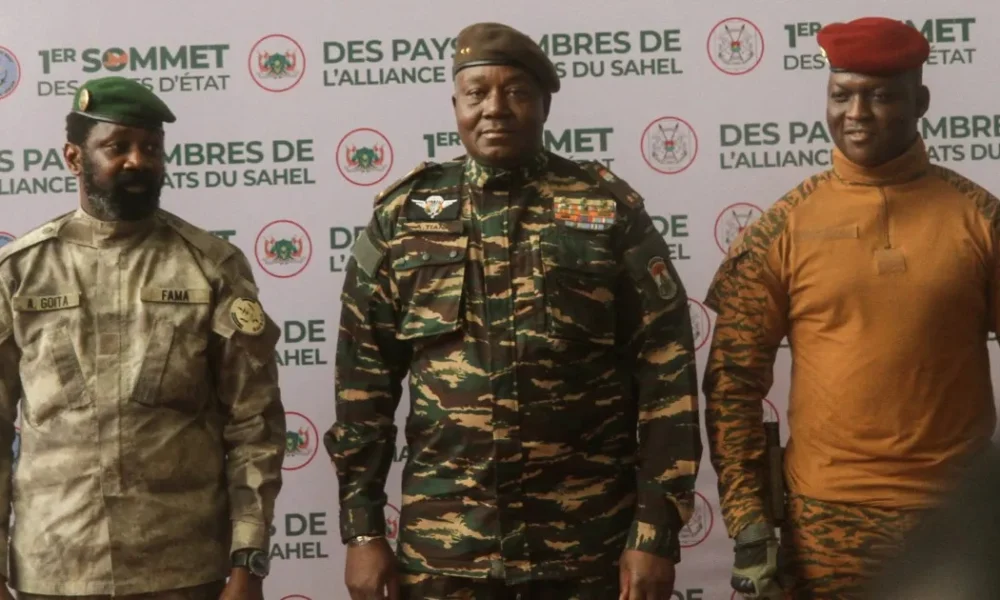
The United Nations is reshaping its role in the Sahel after the withdrawal of its peacekeeping mission in Mali, placing greater emphasis on diplomacy, mediation, humanitarian assistance and development.
Table Of Content
The change comes as the region faces stronger demands for sovereignty, the consolidation of military-led governments and the emergence of new regional alliances. Burkina Faso, Mali and Niger formally left the Economic Community of West African States on January 29, 2025, and have deepened cooperation through the Alliance of Sahel States, whose political message centres on sovereignty and strategic autonomy.
The 81st session of the UN General Assembly opened on September 8, with the General Debate scheduled to begin on September 22. The discussions take place against a backdrop of continuing displacement, food insecurity, armed violence, organised crime, climate pressures and economic difficulties across the Sahel.
After MINUSMA
The UN’s most visible security role in the region was the United Nations Multidimensional Integrated Stabilization Mission in Mali, known as MINUSMA. The Security Council established the mission in 2013.
Its mandate was terminated in June 2023 at the request of Mali’s transitional government, and the mission completed its withdrawal by the end of that year. Since then, the UN’s engagement has relied less on troop deployments and more on political, humanitarian and development work.
The United Nations Office for West Africa and the Sahel, or UNOWAS, continues the organisation’s political engagement. It is a special political mission rather than a peacekeeping operation, with responsibilities that include preventive diplomacy, mediation, conflict prevention and support for political dialogue.
In February 2026, the Security Council extended UNOWAS’s mandate until January 31, 2029. It also requested an independent strategic review of the mission’s mandate and activities, which is due to be finalised by September 30, 2026.
Limits on UN influence
Mubarak Aliyu, a Nigerian political and security analyst, said the UN’s ability to shape events had narrowed as the Alliance of Sahel States developed its own political and security arrangements.
“The influence the UN can actually exercise is narrow,” Aliyu said, arguing that the AES governments had reduced the leverage previously available to outside institutions while building their own confederation and joint force.
Aliyu also assessed that Russia’s Africa Corps had helped the military governments of Mali and Niger withstand shocks and had operated mainly as regime protection rather than counterinsurgency. He said Russia’s veto power in the Security Council also affected the collective action that could be considered regarding Mali.
He described the UN as being closer to an advocate and service provider than a shaper of outcomes in the region’s changed political environment. The organisation can facilitate dialogue, support humanitarian operations and bring regional crises to international attention, but it cannot determine sovereign governments’ security partnerships or impose political processes on authorities that reject them.
Calls for regional partnerships
Kabir Adamu, founder and managing director of Beacon Security and Innovations Limited, said the UN should move away from large-scale peacekeeping deployments and focus on diplomacy, development, preventive action and security-sector governance.
Adamu recommended that the organisation work through regional bodies rather than establish large independent forces. He identified the Multinational Joint Task Force and the Accra Initiative as frameworks that could receive support, while also calling for mediation between Sahelian and coastal states.
He further argued that UN engagement should strengthen governance, resilience and security, while incorporating climate-related peace initiatives and supporting local capacity. Environmental and economic pressures can deepen existing vulnerabilities where state institutions are weak and communities are affected by conflict and displacement.
The UN continues to work with regional organisations, including ECOWAS and the African Union, while its wider system remains involved in humanitarian and development efforts. Whether the revised approach will restore influence or improve stability remains uncertain, but the organisation’s role in the Sahel is now increasingly centred on political engagement and assistance rather than peacekeeping troops.


No Comment! Be the first one.