
Sierra Leone Advances National Conflict Prevention Plans in New York
Sierra Leone’s renewed eligibility for UN Peacebuilding Fund support and plans for a first National Prevention Strategy were central to Hawa Sally Samai’s engagements in New York.
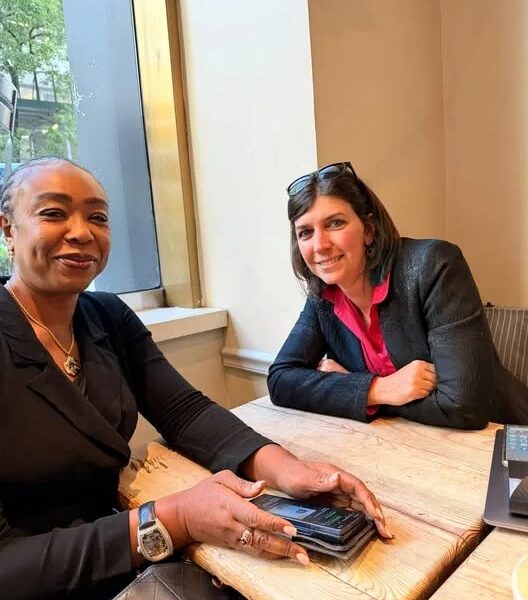
Sierra Leone’s efforts to build a national system for preventing conflict were at the centre of high-level engagements held in New York by Hawa Sally Samai, Executive Secretary of the Independent Commission for Peace and National Cohesion.
Table Of Content
Samai met United Nations Peacebuilding Fund officials, held discussions with New York University’s Center on International Cooperation and participated in the 2026 International Forum on African-Caribbean Leadership during engagements linked to the 81st session of the United Nations General Assembly.
Renewed Peacebuilding Fund eligibility
At the United Nations Secretariat in New York on 24 September 2026, Samai met Brian J. Williams, Chief of the Peacebuilding Fund. Their discussions covered Sierra Leone’s prevention priorities and the development of national systems that can identify and address emerging risks before they grow into conflict.
Sierra Leone’s eligibility for support from the United Nations Secretary-General’s Peacebuilding Fund has been renewed for five years, through the end of 2030. The renewed partnership includes an initial allocation of US$3 million for developing and implementing the country’s first National Prevention Strategy, in collaboration with the United Nations Development Programme, UNICEF and UN Women.
The support is expected to contribute to conflict prevention, social cohesion, greater participation by women and young people, cross-border cooperation and responses to security risks linked to climate and environmental pressures. The source material does not provide a completion date for the strategy or a detailed breakdown of the allocation.
Samai expressed appreciation to the Peacebuilding Fund and the Peacebuilding Support Office for their partnership with Sierra Leone. She also highlighted conflict analysis conducted by the Independent Commission for Peace and National Cohesion and the United Nations system, which helped inform the country’s application for renewed eligibility.
Discussions also considered a coordinated prevention system linking early warning mechanisms, mediation, community peace structures, women’s and youth networks, traditional leaders and national institutions. Williams welcomed the emphasis on national ownership and sustainability, including the importance of building systems that can continue beyond individual projects.
Partnership with New York University
On 23 September, Samai held discussions with Céline Monnier, Associate Director for Prevention and Peacebuilding at New York University’s Center on International Cooperation and lead of the Peace Policy Pillar at NYU PREP.
The talks focused on preventing conflict before tensions escalate, strengthening Sierra Leone’s peace infrastructure and applying research and practical experience to national prevention mechanisms. Samai and Monnier also reflected on work undertaken by the university centre and its partners in Sierra Leone on National Prevention Strategies.
The engagements included continued coordination with the United Nations Country Team in Freetown and the United Nations Peacebuilding Commission in New York. Sierra Leone’s renewed partnership with the Peacebuilding Fund follows support that the fund has provided to the country since 2007, with investment reported at approximately US$84 million.
Women’s role in peacebuilding
Samai also took part as a special guest and panelist in the Social Development, Gender and Strategic Partnerships session of the 2026 International Forum on African-Caribbean Leadership.
Her remarks addressed early warning, mediation, community-based conflict prevention, inclusive participation and the contribution of women to peacebuilding and national development. She argued that women should be recognised as decision-makers, peacebuilders and leaders, rather than only as beneficiaries of peace and development programmes.
“Peace is not an event; it is a process that must be continuously protected, invested in and owned by the people,” Samai said.
She also stressed that international partnerships should reinforce national institutions and local capacity without reducing domestic ownership. “International partners can bring resources, expertise and solidarity, but Sierra Leoneans must own the peace, lead the process and build the institutions that sustain it,” she said.
The engagements reflect Sierra Leone’s broader shift from a post-war recovery focus towards a national approach centred on prevention, early intervention, inclusive participation and institutions able to respond to emerging threats.



No Comment! Be the first one.