
Ethiopia-North Africa tensions rise as fighting rekindles in the north
Renewed clashes in Tigray, Amhara and Afar have triggered competing accusations between Ethiopia and its neighbours, raising concern that the conflict could spread beyond the country.

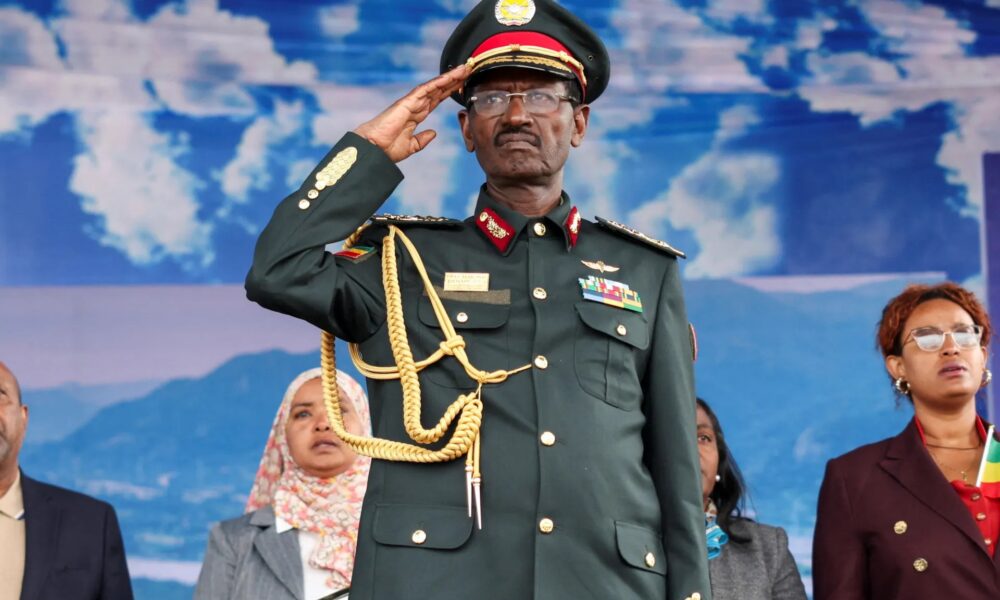
Renewed fighting in northern Ethiopia has intensified tensions with Eritrea, Sudan and Egypt after Addis Ababa accused the three countries of supporting armed opposition groups inside Ethiopia.
Table Of Content
The clashes have spread across Tigray and into the neighbouring regions of Amhara and Afar, prompting concern that Ethiopia’s internal crisis could develop into a wider Horn of Africa confrontation.
Competing accusations
Ethiopian army chief Birhanu Jula blamed what he described as Ethiopia’s “historical and contemporary adversaries” for contributing to the unrest. He accused Eritrea of serving as an intermediary connecting outside powers, including Sudan and Egypt, with armed groups operating in Ethiopia.
The accusations have been rejected by Eritrea, Sudan and Egypt. The source material does not independently establish the extent of any external involvement in Ethiopia’s conflict.
Sudan’s military has separately accused Ethiopia of supporting the Rapid Support Forces by providing training, supplies and access to Ethiopian territory. Ethiopia denied that allegation, which Sudan’s military described as “baseless” when responding to Addis Ababa’s claims.
Egypt rejects interference claims
Egyptian Foreign Ministry spokesperson Nader Zaki said Cairo’s foreign policy was based on “full respect for the sovereignty, unity and territorial integrity of states, and noninterference in the internal affairs of other countries.”
Zaki also said Egypt was committed to international law and the United Nations Charter, and rejected actions that could damage regional security and stability.
Major-General Samir Farag said the accusations against Egypt were false. “It has not been Egypt’s policy to interfere in the internal affairs of any state in the region,” he told Al Jazeera.
Analysts offered different explanations for the claims. Mohamed Selim said the accusations could be intended to divert attention from Ethiopia’s domestic problems by presenting an external enemy and strengthening internal unity. Amani al-Tawil called them “an understandable attempt to escape from internal crises.”
Regional fault lines
The latest dispute adds to existing tensions among the countries. Egypt and Ethiopia have been at odds over the Grand Ethiopian Renaissance Dam since 2011. Sudan has accused Ethiopia of backing the Rapid Support Forces since Sudan’s civil war began, while Eritrea fought alongside Ethiopia during the 2020-2022 war in Tigray before relations later deteriorated.
Eritrea has also been concerned by Ethiopia’s efforts to secure access to the Red Sea. Parts of the affected Ethiopian regions lie close to the borders with Eritrea and Djibouti.
Seven Ethiopian opposition groups representing different ethnic communities and regions announced a coalition the previous week, adding another political dimension to the unrest.
Mohammed Hussein estimated that Tigray, Amhara and Afar together have a population of more than 38 million people.
Ammar Arki warned that the conflict could become regional if Ethiopia continues to portray its internal crisis as an “external conspiracy” and neighbouring countries respond in the same manner. For now, the possibility of fighting spreading beyond Ethiopia remains a risk rather than an established outcome.




No Comment! Be the first one.