
Kenya’s Mobile Money Market Grows as Agent Network Shrinks
Kenya’s registered mobile money agents fell by roughly 34,000 between March and June 2026, even as subscriptions increased, highlighting the shift toward direct digital payments and growing pressure...

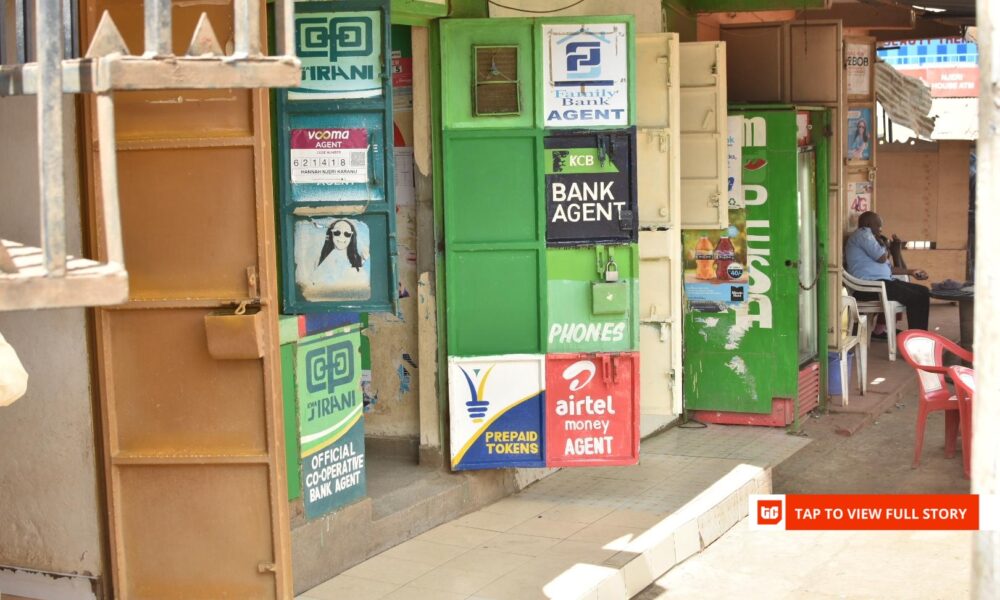
Kenya’s mobile money market continued to expand between March and June 2026, even as the number of registered agents fell sharply, according to data released by the Communications Authority (CA).
Table Of Content
The registered agent network declined from 602,470 to 568,463 during the period, a reduction of 5.6% and roughly 34,000 agents. At the same time, mobile money subscriptions rose from 53.37 million to 54.01 million, representing growth of 1.2% over the three months.
The figures indicate that the contraction in physical outlets was not accompanied by a slowdown in mobile money use. Annual subscriptions increased by 13.2%, as more consumers used digital channels to make payments and move funds.
Shift away from cash-based transactions
Consumers can now make payments through Buy Goods tills, Pochi la Biashara, PayBill numbers and bank-to-wallet integrations without visiting a physical agent. App-based banking, QR-code payments and direct merchant checkout have also expanded the ways customers can transact digitally.
That shift is putting pressure on the traditional business model for mobile money shops. Agents have historically depended on commissions earned from deposits and withdrawals, while payments made through tills and PayBill numbers do not generate the same commission income for physical agents.
The source also reports that thousands of operators have closed their businesses amid declining transaction volumes, higher fixed costs and increased regulatory scrutiny. It does not specify how many closures occurred during the March-to-June period.
Rising costs squeeze operators
Agents cited falling customer traffic alongside higher rent, wages, business permit charges, operating expenses and fraud cases.
“Cost of operation is high,” an agent in Kisii said. The agent reported monthly M-PESA shop commissions ranging from KES 11,000 ($85) to KES 30,000 ($230), while saying business permits had increased by 30%.
An operator in Ruaka said the cost of running an outlet had also risen. “In the past, a commission of KES 22,000 ($170) meant you paid rent of KES 3,000 ($23) and the worker KES 5,000 ($38),” the operator said.
“Now rent starts at KES 5,000 ($38), and attendants demand KES 7,500 ($58). There are additional expenses and fraud cases to deal with,” the operator added.
Smartphone adoption changes the market
The move toward direct digital payments is occurring as smartphone use increases. Smartphone connections rose from 50.18 million to 52.26 million between March and June, while feature-phone connections fell to 27.42 million.
The changing device mix is giving more users access to mobile applications, QR-code scanning and direct merchant payment tools. Mobile data subscriptions reached 64.26 million in June, while mobile broadband subscriptions increased by 2.07 million during the period.
Safaricom retained the dominant position in the market, accounting for 88.8% of mobile money subscriptions. Airtel Money held 11.1%.
The contracting agent network presents both an opportunity and a strategic challenge for Safaricom and Airtel Kenya. As cash transactions decline, mobile network operators will need to identify additional ways for agents to earn revenue beyond deposits and withdrawals.
An anonymous industry executive also said that Kenya Revenue Authority efforts to use transaction data for tax compliance had raised privacy concerns among some businesses and consumers.






No Comment! Be the first one.