
UN Links Food Waste to Emissions and Calls for Practical Solutions
The United Nations says food loss and waste account for an estimated 8 to 10 per cent of global greenhouse gas emissions, highlighting measures from improved storage to food redistribution.

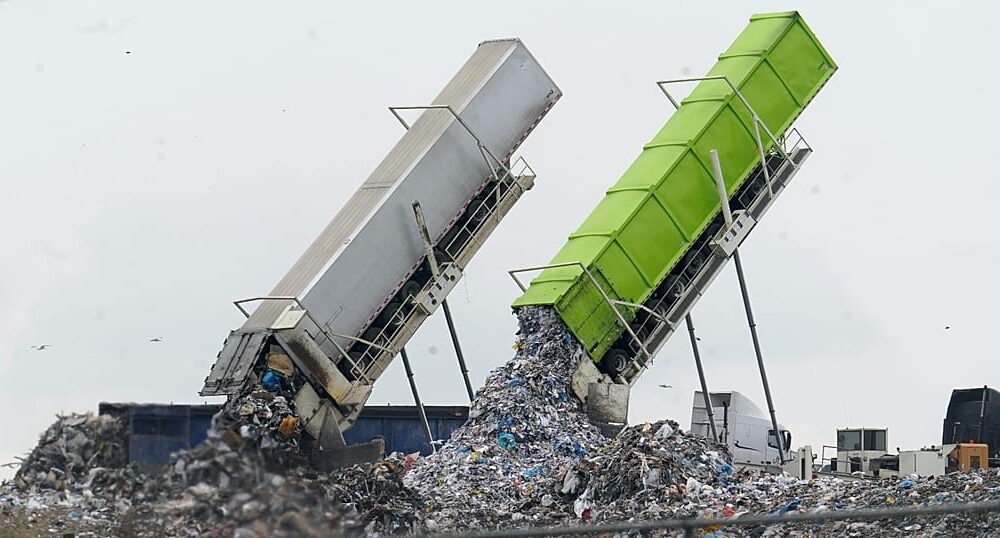
The United Nations has warned that food loss and waste are contributing to global greenhouse gas emissions, as the world observed the International Day of Awareness of Food Loss and Waste on Tuesday.
Table Of Content
Michael Muratha, a project manager and knowledge expert at the UN Environment Programme (UNEP), said food loss and waste generate an estimated 8 to 10 per cent of global greenhouse gas emissions.
Food thrown away in landfills decomposes and releases methane, which the source describes as more potent at trapping heat than carbon dioxide. Muratha said the environmental cost also includes the land, water and energy used to produce food that is ultimately lost or discarded.
Losses occur across the food chain
UNEP reported that more than a billion meals are left uneaten every day because of excess production, spoilage or poor meal planning.
Muratha said 13 per cent of food is lost after harvest and before it reaches store shelves. A further 19 per cent is wasted in homes, supermarkets and restaurants, according to his figures.
“When food is lost or wasted, the land, water and energy used to produce it are also wasted,” Muratha said.
He added that using food already produced more efficiently could reduce pressure on land and forests and help feed more people.
UN-backed measures
UNEP said better handling, storage and transport can reduce losses after harvest. It also identified cold-chain infrastructure as important for fruit, vegetables and other perishable products.
The campaign, convened by UNEP and the UN Food and Agriculture Organization, focused on forest protection and sustainable agrifood systems. The source states that healthy forests support food production by protecting soils and regulating rainfall.
Across Africa, UNEP-supported projects are using black soldier fly larvae to convert organic market waste into animal feed and fertiliser, Muratha said. He cited a 2025 report estimating that replacing some conventional poultry feed with insect-based feed could create between 25,000 and 76,000 additional jobs in Kenya.
UNEP is also exploring the use of artificial intelligence to help households identify the food they waste most, plan meals around food already available, and improve shopping and storage practices.
Reducing waste in shops and homes
Muratha said supermarkets can use demand forecasts and timely discounts to reduce the amount of food left unsold. UNEP is also backing efforts to redirect safe surplus food to people who need it.
“Supermarkets can similarly use demand forecasts and timely discounts to reduce unsold food,” he said. “The key is that solutions—whether simple or digital—must be affordable, practical and suited to local needs.”
The measures outlined by UNEP range from improvements in supply-chain infrastructure to household planning and the redistribution of surplus food. Together, they are intended to keep more food in use and out of landfills.




No Comment! Be the first one.