
Ethiopia Conflict Spreads as Blasts Reported in Addis Ababa
Fighting between Ethiopian federal forces and an armed opposition coalition has widened across the north, while explosions were reported in Addis Ababa and diplomatic tensions with Eritrea escalated.

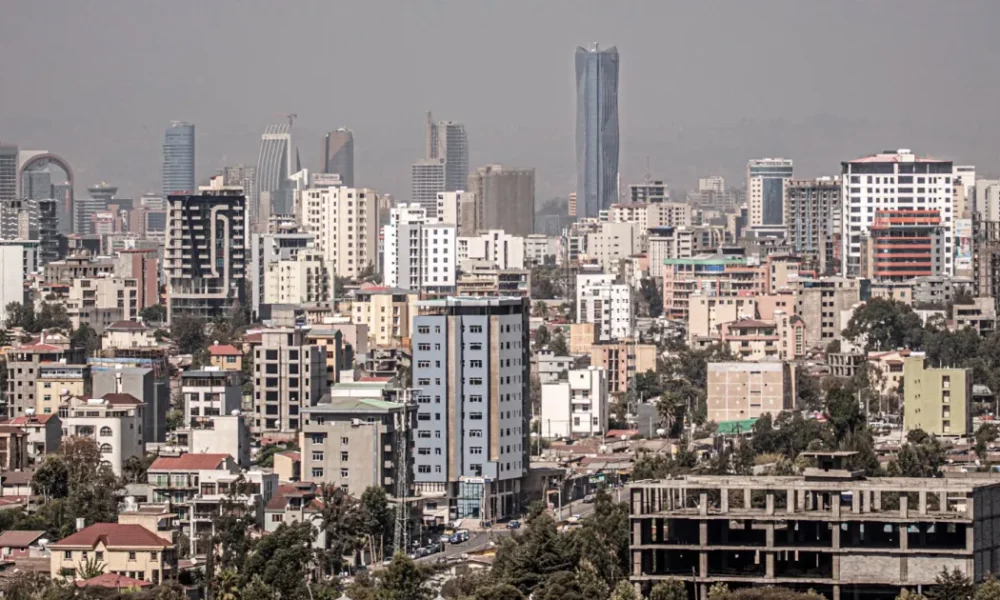
Fighting between Ethiopian federal forces and a coalition of armed opposition groups has widened across northern Ethiopia, with clashes reported in Afar and Tigray as government troops advance toward Mekelle.
Table Of Content
Explosions were also heard overnight in the capital, Addis Ababa, according to three diplomatic sources cited by Reuters. The reports came after the Ethiopian government banned drone flights over the capital and surrounding areas. The cause of the blasts, along with any damage or casualties, was not provided.
Federal forces move toward Mekelle
Muhammed Taha Tawakel of Al Jazeera reported that government forces had moved deep into Tigray and reached to within about 40 kilometres of Mekelle, the regional capital.
The Tigray People’s Liberation Front (TPLF) had withdrawn fighters to new positions, while some of its leaders moved out of Mekelle, according to Tawakel. Thousands of civilians were also reported to have left the city, fearing clashes. Electricity and internet services in the region had been cut.
Alliance fighters also clashed with government forces in neighbouring Afar. Government forces told Reuters they had recaptured Erebti and Abaala, although that claim remained unconfirmed.
The opposition coalition, known as the Ethiopian Peoples’ Forces Alliance for Survival, brings together seven armed groups, including the TPLF and groups from the Amhara, Afar, Somali and Benishangul-Gumuz regions. The alliance was formed to remove Prime Minister Abiy Ahmed’s government.
Diplomatic tensions with Eritrea
Ethiopia’s Foreign Ministry announced that it would close the country’s embassy in Asmara, Eritrea’s capital. It also ordered 10 Eritrean diplomats based in Addis Ababa to leave Ethiopia within 48 hours.
The ministry accused Eritrea of “direct and indirect acts of hostility and belligerence against Ethiopia” and said the diplomats’ activities posed “a direct threat to Ethiopia’s national security”. Those allegations were not independently verified.
Eritrea denied supporting the opposition alliance. The Ethiopian authorities’ wider accusations against Eritrea also remain disputed.
The ministry urged Eritrea to “cease all acts that are contrary to the principles governing relations between sovereign states”. It also said Ethiopia remained committed to the “peaceful resolution of disputes” and regional integration in the Horn of Africa.
Uncertain humanitarian situation
Fighting was reported along areas near Ethiopia’s borders with Eritrea and Sudan, according to Tawakel. More than 80,000 Afar residents were reportedly trapped around Abala and Erebti, but their situation remained uncertain.
Ahmed Hussein, Afar’s deputy governor, called on Asmara to withdraw from Afar territory and held Eritrea responsible for the safety of civilians in areas controlled by opposition groups. His allegations were not independently verified.
The conflict has also raised concerns about routes linking Ethiopia and Djibouti, with disruptions potentially creating risks for food security. Local mediation efforts to persuade forces controlling Abala and Erebti to withdraw reportedly failed.
The TPLF has described its offensive as a “defensive war” against federal drone and artillery strikes. The supplied reports did not independently confirm claims that the opposition alliance carried out drone attacks in Addis Ababa.






No Comment! Be the first one.