
Nigeria’s Healthcare Gaps Push Responsibility onto Startups and Families
Nigeria’s healthcare system is facing persistent gaps in emergency response, primary care financing, disease surveillance and sexual health access, prompting startups and informal providers to take...
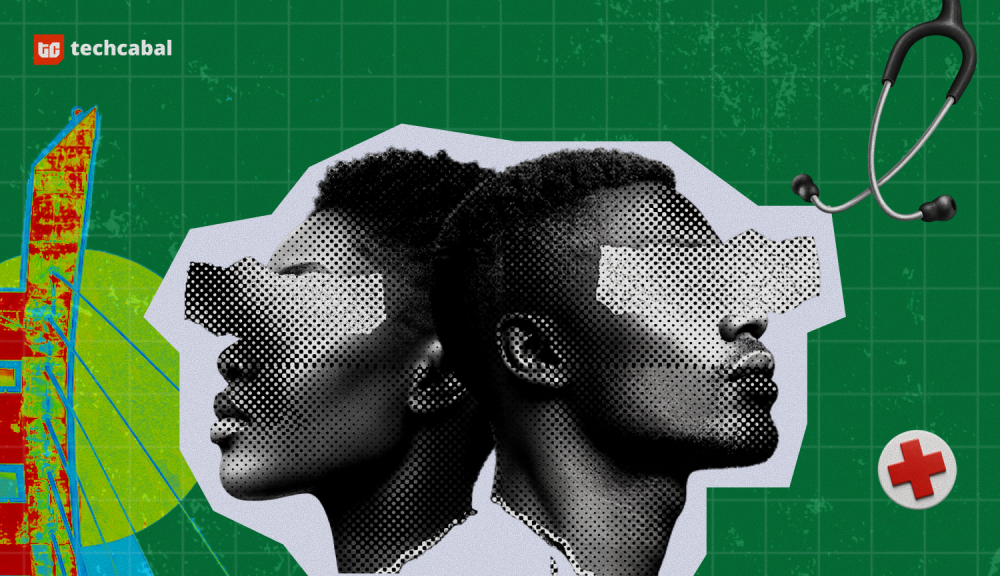
Nigeria’s healthcare system is leaving critical responsibilities to startups, informal providers, families and external partners as public services struggle with emergency coordination, financing and access to care.
Table Of Content
The gaps are particularly visible in Lagos, where emergency assistance can involve delayed connections, repeated calls and reliance on people with vehicles or personal contacts. Although ambulances exist, the system lacks a mechanism to coordinate them effectively, according to the account examined by Sierraleo News.
Private coordination over public gaps
Medwaka emerged from an effort by its founders to address blood donation shortages affecting pregnant women in Ondo State. The company later changed direction after encountering a broader problem: people in distress could not reliably be moved to appropriate care.
Medwaka now operates as a dispatch and coordination layer connecting hospitals, ambulances and first responders that already exist but do not function as a unified emergency network. Its experience illustrates how private companies are being built around failures in public coordination.
However, the model has limits. A dispatch application cannot create a functioning national emergency number, and private coordination cannot substitute for a comprehensive public emergency system.
Underfunding and informal care
Nigeria’s primary healthcare centres are described as chronically underfunded. Money allocated in a budget may not be released, and funds that are released may not reach facilities in a way that improves patient care.
TC Insights identified an informal healthcare economy that includes patent medicine vendors, unlicensed clinics and community-level caregivers. These providers absorb patients who are not reached by the formal system, making them an important part of how many people obtain care even though they operate outside the main public healthcare structure.
The result is a system in which responsibility is distributed across institutions and individuals rather than consistently delivered through public facilities. Families may be left to organise transport, find treatment or cover needs that the formal system has not met.
Dependence on external partners
The healthcare system has also relied heavily on external partners. Most of Nigeria’s health financing came from external partners over the past two decades, while government health spending remains far below the African regional range of 2% to 12% cited in the source account.
USAID’s pullback in 2025 exposed the consequences of that dependence. The effects extended beyond funding to partnerships, the legitimacy that startups gained through links with public health programmes and disease-surveillance infrastructure. The source account says some disease-surveillance systems went dark after the funding line closed.
The situation shows that donor-supported infrastructure and partnerships can help address immediate needs, but they can also leave essential services vulnerable when external support is withdrawn.
Sexual health access
Sexual and reproductive healthcare presents another set of gaps. The source account says access to contraceptives is constrained more by stigma than by supply, while sex education barely exists in Nigerian schools.
Whispa is presented as an example of a Nigerian digital platform responding to these barriers. It provides young people with confidential and affordable sexual and reproductive healthcare, alongside anonymous and judgment-free access to sexual health information.
Its approach addresses privacy and stigma for users seeking information or care. But a digital platform cannot place comprehensive sex education into the national curriculum, just as a dispatch application cannot establish a coordinated national emergency response.
Where responsibility goes
The Nigerian Life Compendium, an initiative by Zikoko Citizen, documents how healthcare responsibilities are transferred to families, founders or no one. Its focus is less on health statistics for their own sake than on identifying where the system hands its obligations to others.
Medwaka and Whispa demonstrate how founders can respond to specific failures, while informal providers continue to serve people excluded from formal care. Yet these responses remain partial. They can improve access in particular areas without replacing the public systems needed for emergency coordination, reliable primary healthcare financing, disease surveillance and school-based health education.



No Comment! Be the first one.