
ICC Convicts Seleka Commander Over Bangui Detention Abuses
The International Criminal Court has convicted Central African Republic militia commander Mahamat Said Abdel Kani of crimes against humanity linked to a Seleka detention facility in Bangui.

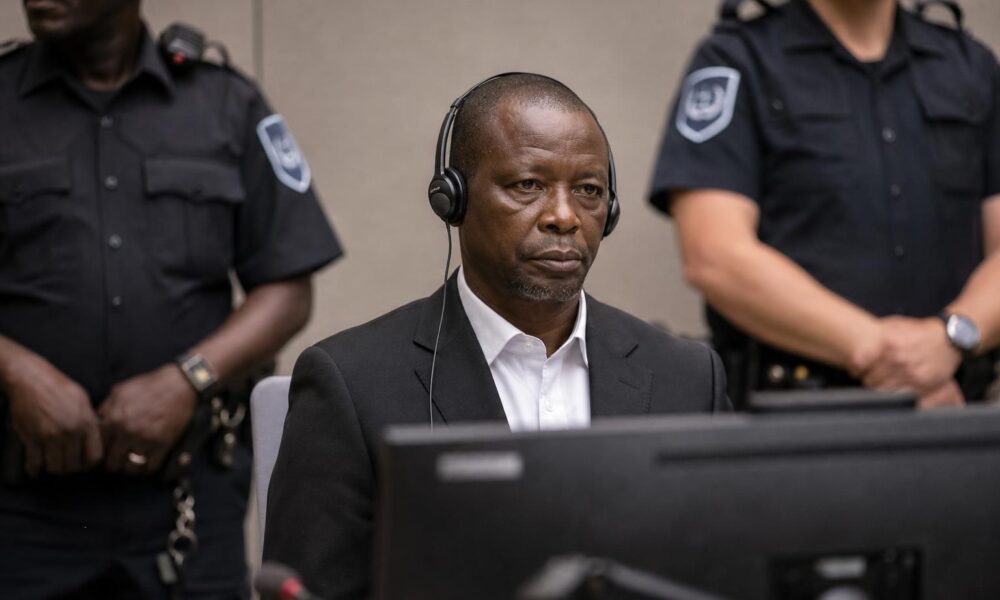
The International Criminal Court has convicted Central African Republic militia commander Mahamat Said Abdel Kani of crimes against humanity, including torture, over his role in a Seleka detention facility in Bangui.
Table Of Content
Judges in The Hague found the 56-year-old guilty in a case arising from the Central African Republic’s 2013 civil war. A separate hearing will determine his sentence, but the date has not been announced.
Abuses at Bangui facility
Said was prosecuted over his role in running the Central Office for the Repression of Banditry, a Seleka facility where supporters of then-President Francois Bozize were rounded up during the conflict.
Judge Miatta Maria Samba said detainees were whipped, waterboarded and bound using a method known as Arbatacher. Some prisoners were kept in underground cells without bathrooms or showers.
Describing the conditions in those cells, Samba said: “The floor was covered in waste, and it smelled of faeces and urine.”
Said denied the charges. The court nevertheless convicted him of crimes against humanity, including torture, in connection with the detention facility.
Acquittal on three war crimes charges
The judges acquitted Said of three war crimes charges. They ruled that the armed conflict had already ended when some of the alleged crimes took place, meaning those charges could not be established as war crimes on that basis.
The ruling makes Said the first member of the Seleka coalition to be convicted by the ICC.
Wider Central African Republic case
The Seleka coalition ousted Bozize in 2013. Bozize responded by arming the anti-Balaka militia, a development that fueled further bloodshed. The conflict killed thousands of people, according to the source material surrounding the case.
French troops helped secure the country in 2014 under a United Nations mandate, and the ICC began investigating violence in the Central African Republic that year.
The court had previously convicted two anti-Balaka leaders: former Sports Minister Patrice-Edouard Ngaissona, who received a 12-year sentence, and former lawmaker Alfred Yekatom, who was sentenced to 15 years.
The Central African Republic has experienced relative stability since a 2019 peace agreement. The pending sentencing hearing will determine the punishment for Said following his conviction.




No Comment! Be the first one.