
Malawi Fuel Shortage Enters Second Week, Disrupting Transport and Trade
Malawi's fuel shortage has entered its second week, disrupting commuting, transport services and business activity as motorists wait for supplies and fares rise.

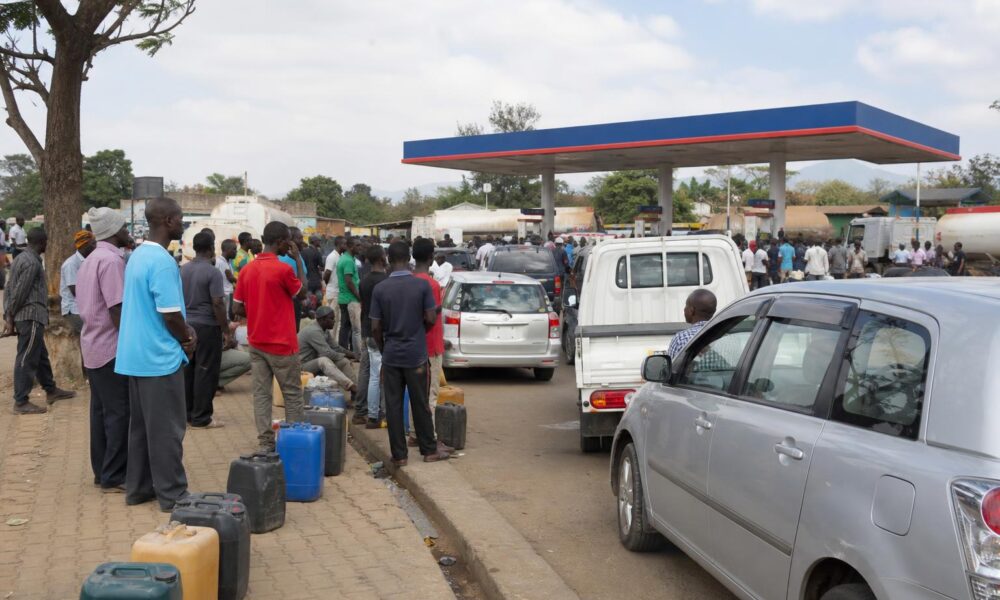
Malawi’s fuel shortage has entered its second week, creating continued disruption for motorists, passengers, workers and businesses across the country.
Long queues have formed at filling stations as drivers search for fuel. Some motorists have remained in their vehicles for extended periods, with reports indicating that some have slept in their cars for days while waiting for stations to receive new supplies.
Transport disruption spreads
The shortage is affecting daily travel and making it harder for citizens to reach work. Businesses are also losing customers as transport difficulties limit movement and reduce access to commercial areas.
Transportation fares have increased as operators deal with the shortage, according to Coxley Kamange, secretary general of the Minibus Owners Association of Malawi. The higher minibus prices have placed additional pressure on passengers, with some choosing to walk because they cannot afford the revised fares.
Kamange has called on the government to respond to the crisis urgently. It remains unclear when fuel supplies will return to normal.
Import dependence adds pressure
Malawi relies heavily on imported fuel to meet domestic consumption. Analysts say the country also faces a persistent shortage of foreign currency needed to finance oil imports, a factor that contributes to pressure on fuel availability.
The country experienced another fuel crisis earlier in the year, during a period when global oil prices rose amid the ongoing war in the Middle East.
Authorities have not provided an update on possible improvements, according to local media outlet Malawi24. The available information does not include an official explanation for the current shortage or a timetable for restoring regular supplies.
For now, motorists continue to wait at stations, while passengers and businesses adjust to the effects of higher transport costs and limited mobility.






No Comment! Be the first one.