
Nigeria Confirms First Bundibugyo Ebola Case as 44 Contacts Traced
Nigeria has confirmed its first case of the Bundibugyo strain of Ebola, prompting authorities to identify 44 contacts and trace passengers who travelled with the patient from Uganda.

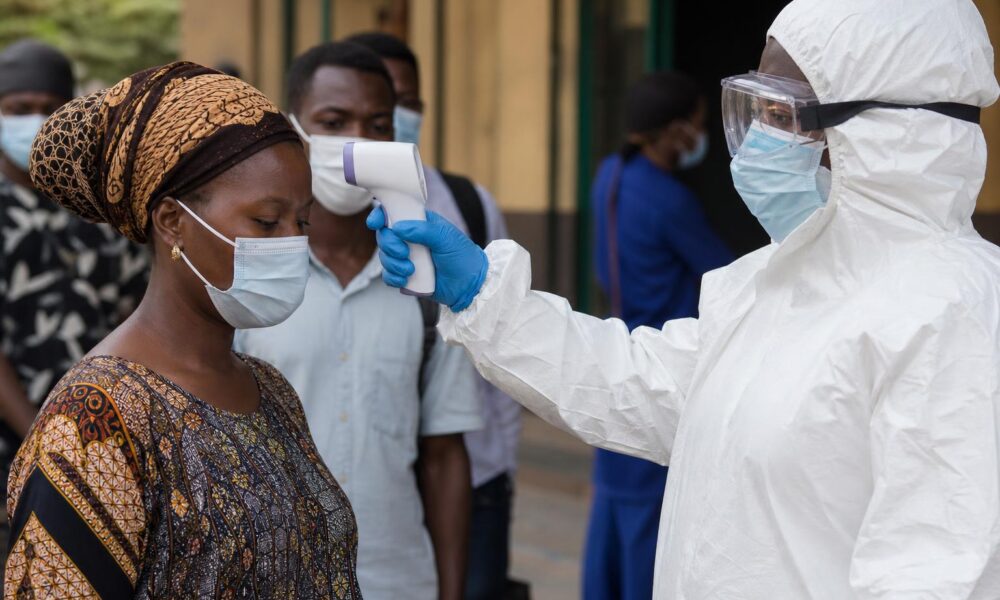
Nigeria has confirmed its first case of the Bundibugyo strain of Ebola, with health authorities identifying 44 contacts and tracing other passengers who travelled with the patient from Uganda.
The woman travelled from Uganda to Abuja on October 3, according to the Nigeria Centre for Disease Control and Prevention. She was tested for Ebola on October 19 after officials learned about her recent travel, and the positive result was confirmed on Tuesday.
Nigeria’s Director of Public Health Laboratory Services, Olajumoke Babatunde, said three levels of molecular testing identified the Bundibugyo strain. The World Health Organization also confirmed the result.
Patient in isolation
Health Minister Muhammad Ali Pate said the patient was in isolation and receiving treatment. An unnamed official who spoke to AFP said the woman was a diplomat and that her condition had deteriorated into multi-organ failure. Her identity and final outcome have not been disclosed.
Nigerian officials said they did not believe the woman was symptomatic during the flight from Uganda to Nigeria. Authorities are now working to locate passengers who travelled with her, while most of the 44 identified contacts are healthcare workers.
Nigerian physician Ayoade Alakija said 12 days had elapsed between the woman’s illness and her Ebola test. The verified information does not specify the date on which she fell sick.
Regional response
The case represents the current outbreak’s first reported spread to West Africa. The Democratic Republic of the Congo remains the epicentre, with more than 9,000 Ebola cases and more than 4,000 deaths reported there since mid-May, according to the supplied report.
The World Health Organization says the Bundibugyo strain has neither a vaccine nor a specific treatment. The strain has also affected other African nations and is described in the report as the deadliest Ebola strain in the Democratic Republic of the Congo’s recorded history.
Jean Kaseya, director-general of the Africa Centres for Disease Control and Prevention, said the outbreak was “no longer one country’s fight”. He said he would convene African health ministers the following week to strengthen the cross-border response and review hospital capacity.
Nigeria recorded 20 Ebola infections and eight deaths during the 2014 outbreak. Its first case at that time was detected in Lagos, and the outbreak was brought under control within three months. The wider West African epidemic between late 2013 and 2016 killed more than 11,000 people.



No Comment! Be the first one.