
Renewed Tigray Fighting Leaves Displaced Families in Limbo
Renewed fighting in Ethiopia’s Tigray region is keeping displaced families from Western Tigray in temporary shelters while straining healthcare services and threatening programmes designed to help...

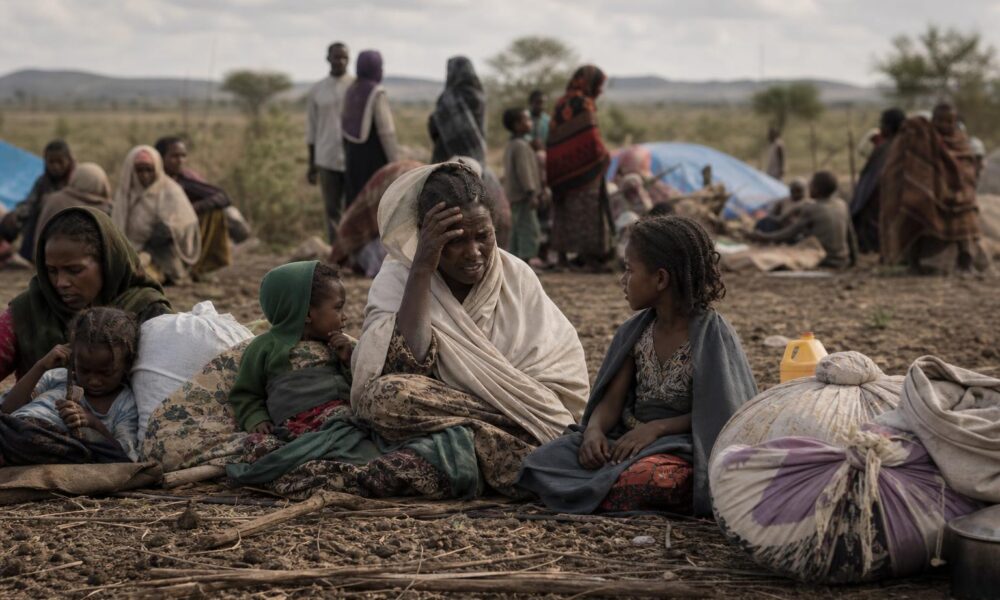
Renewed fighting in Ethiopia’s Tigray region has deepened uncertainty for families displaced during the 2020–2022 war, while worsening pressure on healthcare services and threatening efforts to help former fighters return to civilian life.
Table Of Content
Fighting escalated on September 22, 2026, in the most serious flare-up since the previous war, according to an Al Jazeera report. The Tigray People’s Liberation Front launched an offensive the following day and seized Mekelle’s airport. Ethiopian federal forces and allied fighters retook the regional capital on October 4 after Tigrayan fighters withdrew, but clashes continued elsewhere in Tigray.
Both sides have disputed responsibility for the September escalation. The renewed violence has added to unresolved political and territorial disputes left by the Pretoria agreement, signed in November 2022 to end two years of war.
Displaced families face an uncertain future
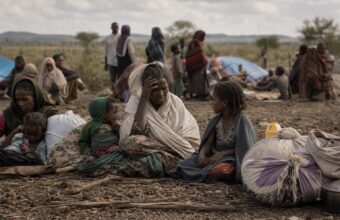
Families from Western Tigray remain in temporary accommodation years after fleeing their homes. In Abi Adi, some are still living in classrooms at a former high school, where they have reported shortages of food, clean water and essential medicines, as well as overcrowding.
Tewolde, who was displaced from Setit Humera, said his family had expected to return home within months.
“We thought we would stay here for a few months before returning home. It has been years now. Our children are growing up in this school, and we still don’t know when we will be able to go back,” he said.
The status of Western Tigray remains disputed. Amhara forces took control of the area during the war, and the return of displaced Tigrayans remains one of the most contentious issues in the implementation of the peace agreement.
“We survived one war and lost almost everything. We don’t want our children to experience another one. All we want is to return home and live normally,” said Selass, an internally displaced mother of two from Humera.
Hospitals report medicine shortages
Years of conflict damaged Tigray’s health infrastructure and depleted medical supplies. Doctors at Ayder Referral Hospital in Mekelle told Al Jazeera, speaking anonymously, that the facility did not have enough essential medicines. Some patients were being instructed to purchase prescribed drugs from private pharmacies.
“Patients have to go outside the hospital and buy the medicines they need from private pharmacies. But not everyone can afford them, and this makes it difficult for patients to get the treatment they need,” one doctor said.
Selass described similar difficulties for displaced families seeking care. “Sometimes, we take our children to the clinic, but the medicines they need are not available. We are told to buy them from private pharmacies, but we have no money,” she said.
Former fighters fear a return to conflict
The renewed hostilities have also raised concerns about a rehabilitation programme intended to support former Tigrayan fighters through education, vocational training and employment opportunities.
Ethiopia’s National Rehabilitation Commission said on November 5 that about 5,500 former Tigrayan fighters were receiving rehabilitation training at a centre in Mekelle. The programme depends on security and practical support for participants transitioning to civilian life.
Alem, a 28-year-old former fighter from Mekelle, said she wanted to build a life beyond the conflict. “I want to have a future and build a life for myself. I want to get married and have children, like any other woman,” she said.
Atsbeha, who said he left university and joined the military in 2020, also expressed a desire to find work and rebuild his future. “I do not want to keep fighting. I want to have a chance to live a normal life,” he said.
Human Rights Watch and other organisations warned the United Nations Human Rights Council in an October 8 letter that renewed hostilities threatened to undo the Pretoria agreement. They called for international scrutiny of alleged violations by all parties.
UN human rights chief Volker Turk condemned reports of forced recruitment by the TPLF, including allegations involving children and previously demobilised fighters. He also raised concerns about arbitrary conscription by government forces. Those allegations have not been independently verified in the report.
The federal government has established a six-month caretaker administration for Tigray, tasked with restoring public services and preparing the region for elections. However, it remains unclear when displaced families will be able to return to Western Tigray or whether the renewed fighting will expand or end.


No Comment! Be the first one.