
South African health leaders call for earlier diabetes detection
Health leaders in South Africa have urged earlier diabetes detection and better patient support during a World Diabetes Day event in Thembisa near Johannesburg.

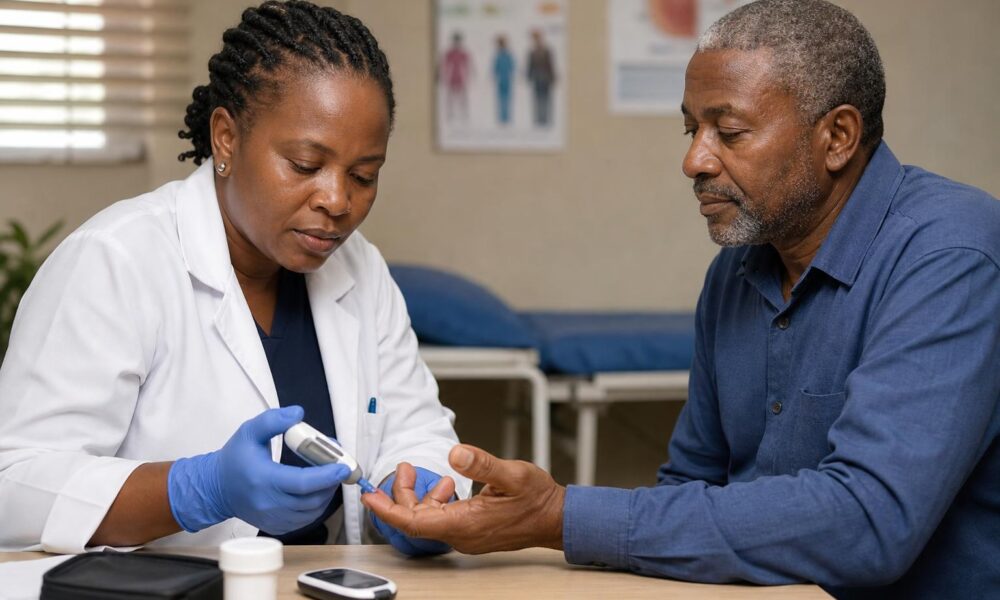
South African health leaders have urged people to seek early checks for diabetes as officials and medical organisations called for improved education, treatment access and chronic-disease management.
Table Of Content
The call was made at an event in Thembisa near Johannesburg on Friday, ahead of World Diabetes Day, which was being marked globally on Saturday. Attendees were screened for diabetes, high blood pressure and other related illnesses, and received information about prevention and managing the condition.
Focus on early checks
Health Minister Aaron Motsoaledi encouraged greater awareness of diabetes and its risks. He said the disease had overtaken HIV and AIDS as the number one killer, while noting that South Africa was not the country with the highest levels of diabetes globally.
“It’s not that we are the highest in the world. Especially because among black people these diseases are new … but it has overtaken HIV and AIDS as number one,” Motsoaledi said.
Figures cited in the report said type 2 diabetes affects about 10 per cent of South Africa’s adult population, equivalent to one in every nine adults. The report also said diabetes accounted for more than 6 per cent of all recorded natural deaths in 2024.
Up to two-thirds of South Africans living with diabetes are estimated to remain undiagnosed, according to the report, highlighting the importance of testing and early intervention.
Calls for better patient support
Mavis Mahlangu, a local resident who attended the event, said people should monitor their health and know their blood sugar and blood pressure levels.
“So that you can be safe. Diabetes has taken a lot of lives because of the ignorance, so to the people at home, it’s important to know sugar levels, blood pressure, and diabetes state,” Mahlangu said.
Dr Patrick Ngassa Piotie, chairperson of the Diabetes Alliance, said gaps in the health system had left people living with diabetes without enough information to manage their care.
“But because of the gaps in the health system, there’s almost no education that is delivered to people,” Piotie said. “As a result, they are disempowered and are not able to play the role that they should play when it comes to the management of their care.”
The Diabetes Alliance urged the government to return to basic measures that empower people with accurate information and ensure medications are available.
The South African Medical Association also called for chronic diseases to be managed more effectively at the primary healthcare level.
Multiple factors behind the increase
Doctors said the rise in diabetes could not be attributed to lifestyle choices alone. The contributing factors identified in the report included increasing obesity, physical inactivity, unhealthy diets and high consumption of sugary drinks and processed foods.
The event brought together health leaders, doctors, medical organisations and residents around a shared emphasis on awareness, screening and better support for people living with diabetes.




No Comment! Be the first one.