
UN: Partners and relatives killed about 47,000 women and girls in 2025
About 47,000 women and girls were intentionally killed by intimate partners or family members in 2025, according to UNODC and UN Women.

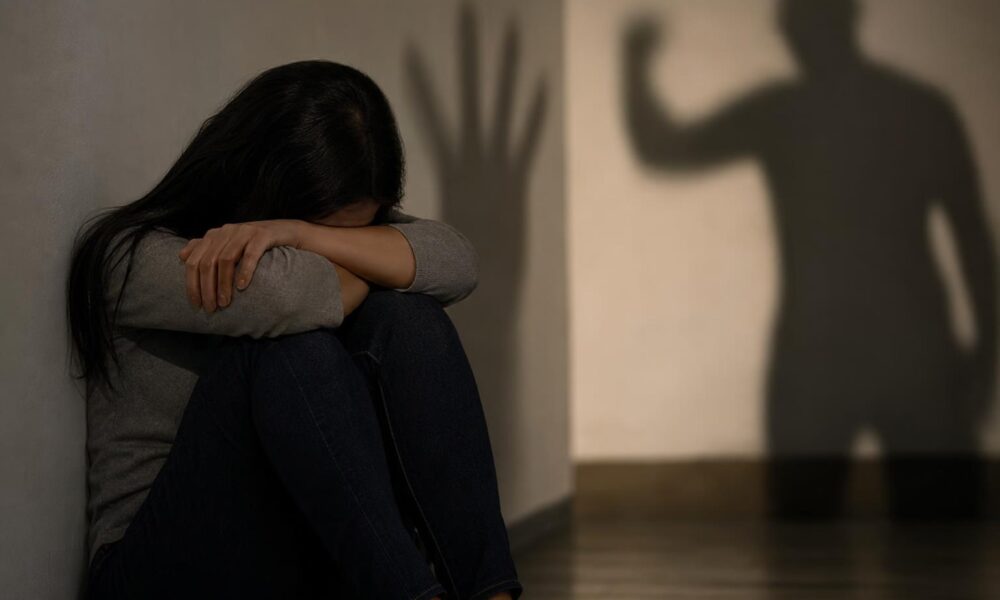
About 47,000 women and girls were intentionally killed by an intimate partner or family member in 2025, according to data from the United Nations Office on Drugs and Crime and UN Women.
Table Of Content
The estimate, published in the 2026 Femicide Brief, represents an average of about five women every hour, or 129 each day. The brief was released on Tuesday to mark the International Day for the Elimination of Violence against Women.
Across the world, about 78,000 women and girls were estimated to have been victims of femicide in 2025. The United Nations said roughly 60 percent of those killings were committed by an intimate partner or family member.
Home remains a dangerous place
UN Women said the home remains the most dangerous place for a woman or girl, describing the situation as “a pattern that has barely shifted in years.” The organisation also said femicide is often the final act in a longer pattern of violence, threats and abuse rather than an isolated incident.
The reported estimate for 2025 is lower than the 50,000 estimated victims recorded for 2024. However, the United Nations said the change largely reflects improved access to country-level data and should not be interpreted as evidence that killings have actually declined.
Africa records highest reported rate
UN Women reported the highest rate of intimate partner or family member femicide in Africa, at 2.9 victims per 100,000 female population. The Americas recorded 1.4 victims per 100,000, followed by Oceania at 1.1, Asia at 0.6 and Europe at 0.5.
The United Nations said no region is free from this form of violence. It also reported that homicide rates have fallen faster than femicide rates. Between 2010 and 2025, homicide rates declined nearly twice as fast as femicide rates in the Americas and about 1.5 times as fast in Europe.
Calls for stronger protection
Monica Juma, the UNODC executive director, called for action at every level of society, including efforts to change harmful attitudes and social behaviour. She also urged investment in specialised programmes to address domestic violence, protect women and uphold their human rights and dignity.
“Frightening attitudes, social norms, and the failure of institutional safeguards create an environment in which killing a wife, daughter, mother, or sister becomes ‘tolerable’,” Juma said.
Sima Bahous, the executive director of UN Women, called for women to be able to report violence safely, obtain protection and receive support before the danger becomes fatal. She said failures to report warning signs, investigate cases, protect women and bring perpetrators to justice can have deadly consequences.
The brief also reported that 29 of 190 countries had laws on femicide.





No Comment! Be the first one.