
UNCTAD projects zero growth in global maritime trade
UNCTAD expects global maritime trade volumes to record no growth this year as geopolitical uncertainty, disrupted routes and higher shipping costs weigh on the sector.

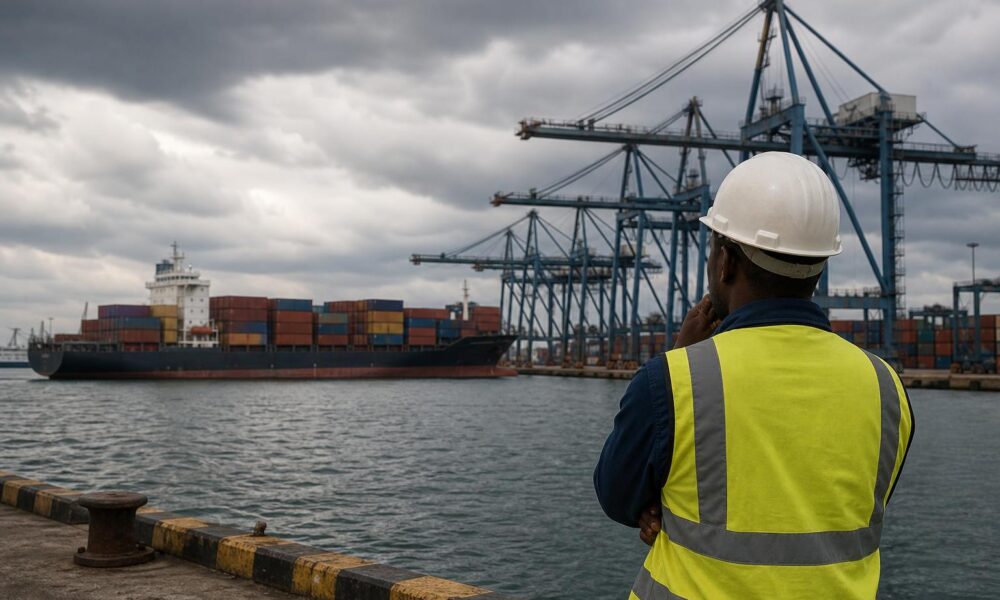
Global maritime trade volumes are projected to record zero growth this year, according to the United Nations Trade and Development agency (UNCTAD), which says geopolitical uncertainty and disruption across major shipping routes are putting the sector under sustained pressure.
Table Of Content
UNCTAD published its Review of Maritime Transport 2026 on Thursday. The agency said interruptions at key maritime routes and chokepoints had forced vessels to take longer journeys, raising operating costs and contributing to delays at ports.
Chokepoints under pressure
The Strait of Hormuz, the Red Sea, the Black Sea and the Panama Canal were identified as key bottlenecks under pressure. According to UNCTAD, disruption around these routes extended transit times, increased fuel costs and added to congestion at ports.
Alternative ports, inland transport networks and other logistics arrangements helped maintain the movement of goods, the agency said. However, these alternatives came at a higher cost.
Freight rates more than doubled in the period to August, while crude oil tanker rates reached record highs on some routes, UNCTAD reported. The agency did not provide absolute figures for those rates or identify the specific routes where tanker prices reached records.
Trade and inflation risks
Seaborne trade reached 12.3 billion tonnes in 2025, representing growth of 1.9%. That compared with 3.9% growth in 2024. UNCTAD’s latest projection indicates that the expansion recorded in previous years is expected to stall this year.
More than 80% of goods traded globally are transported by sea, including vital food and fuel supplies. UNCTAD said continued geopolitical uncertainty was stalling seaborne trade and warned that sustained high marine fuel prices could add to inflationary pressure.
If elevated marine fuel prices persist, higher shipping costs alone could push consumer price inflation in least developed countries to nearly twice the global average, the agency said. UNCTAD presented that outcome as a potential risk dependent on fuel prices remaining high.
Call for stronger coordination
UNCTAD urged governments and industry to work together to strengthen resilience and sustainability in shipping and in port planning, operations and investment.
The agency also called for navigation and seafarers to be protected as authorities and businesses respond to disruption across the maritime transport system.



No Comment! Be the first one.