
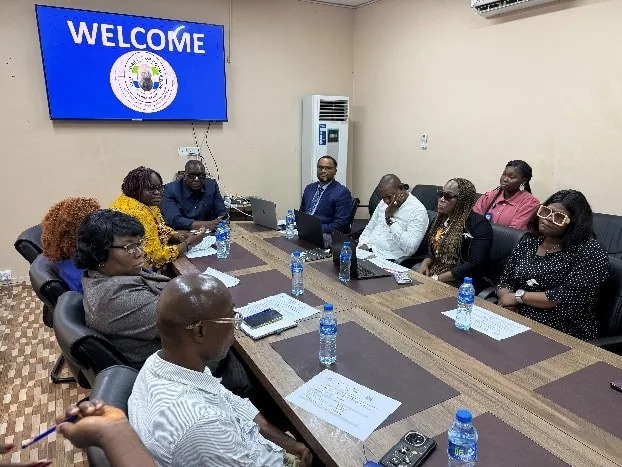
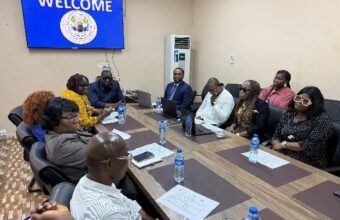
The National Minerals Agency (NMA), in collaboration with the Anti-Corruption Commission (ACC), has completed a one-day ethics and integrity training for newly recruited Assistant Mining Engineers, Geologists and Mines Compliance Officers.
Table Of Content
The session was held on Wednesday, September 23, 2026, at the NMA headquarters in New England Ville, Freetown, under the theme “Upholding Ethics and Integrity in the Workplace.”
Participants examined issues including accountability, ethical conduct, compliance responsibilities, corruption prevention and workplace risks. The training also formed part of wider efforts by the NMA and ACC to strengthen professional standards among personnel working in Sierra Leone’s mining sector.
Warnings over fraud and misconduct
In his welcome address, NMA Director General Ing. Hadji Dabo said the Agency was facing concerns about fraud in the mining sector and that some NMA personnel were alleged to be involved.
“We’re having a lot of issues with fraud in the sector and we understand some of our own staff are involved in these nefarious activities,” Dabo said.
He warned that staff found engaging in fraudulent activity could be referred to the police or the ACC and could lose their employment with the Agency. Dabo also urged employees to act as “watchmen” by monitoring and reporting misconduct.
Victoria Fumikeh Nicol, the NMA Library and Research Manager and focal person for the NMA Integrity Management Committee, said the training was intended to improve staff understanding of applicable laws, ethical conduct, compliance duties and corruption-prevention measures.
Nicol said the NMA would not tolerate fraudulent or corrupt practices. She added that personnel involved in such conduct could face disciplinary action, including dismissal, or be referred to the appropriate authorities after investigations.
Focus on individual responsibility
Daphre C. A. Winnebah, NMA Compliance and Audit Manager, said NMA personnel handle public revenue, resources, information and decision-making processes, making accountability important to protecting the Agency’s reputation.
She cautioned that institutional systems could fail when individuals disregard ethical standards, policies and procedures.
“Integrity is all about knowing what to do when nobody is watching you; when nobody is there for you to be honest, to be transparent in your dealings, to be accountable in whatever you are doing and to be professional in the conduct of your duties and responsibilities,” Winnebah said.
She urged participants to make integrity part of their daily conduct rather than treating it only as a discussion topic.
NMA Human Resources Manager Bintu B. Abu said corruption prevention also depended on changing individual attitudes and refusing to take part in wrongdoing. She said the Agency’s annual engagement with the ACC was intended to educate employees about conduct that could amount to misconduct or corruption, rather than intimidate them.
“It is possible for Sierra Leone to be corruption-free. It is our mindset. If we change our mindset, things could be possible for us,” Abu said.
ACC highlights prevention
Samuel Marah, ACC Deputy Director of the Prevention Department, said ethics and integrity were central to corruption prevention. Referring to the Anti-Corruption Act of 2008 and its 2019 amendment, he said combating corruption required more than laws, regulations and institutional controls.
Marah said individual attitudes and mindsets also had to be addressed. “The Commissioner is very keen on prevention and one key strategy of prevention is ethics and integrity,” he said.
Similar training sessions had previously been held in Makeni, Bo, Kono and Kenema for newly recruited NMA personnel. Participants in the Freetown session were encouraged to apply the lessons in their workplaces and report unethical practices to Management or the NMA Integrity Management Committee.



No Comment! Be the first one.