
Dangote Predicts African Fuel Self-Sufficiency by 2030
Aliko Dangote says most African countries could meet their refined fuel needs by 2030 as plans advance for a 700,000-barrel-per-day refinery in Lamu, Kenya.

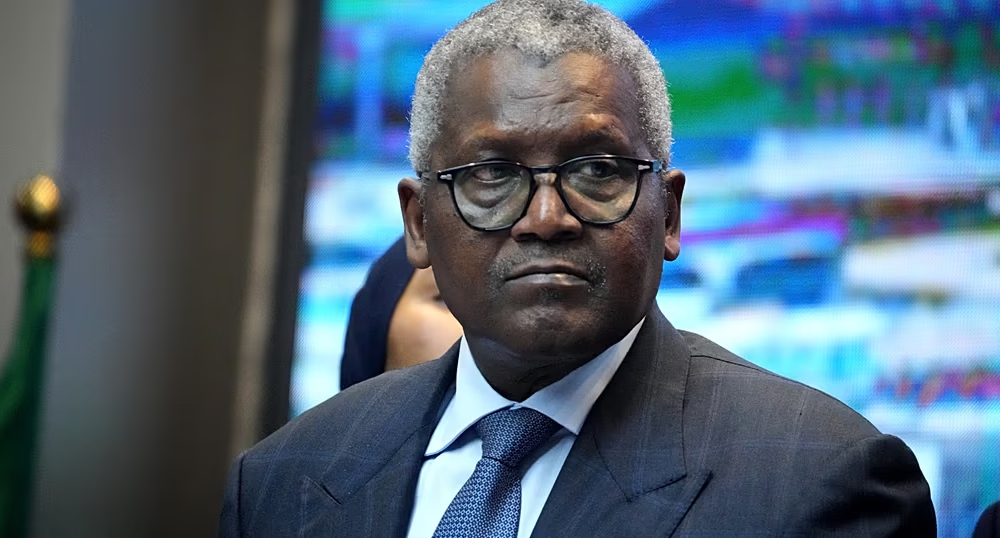
Aliko Dangote has forecast that most African countries could become self-sufficient in refined fuel by 2030, as his company prepares to break ground on a major refinery project in Lamu, Kenya.
Table Of Content
The planned facility on Kenya’s Indian Ocean coast is expected to have a capacity of 700,000 barrels per day and an estimated cost of $16 billion. Construction is expected to take around 30 months, although the exact groundbreaking date has not been provided.
Dangote described the project as part of a broader effort to increase refining and manufacturing on the continent instead of continuing to export raw materials and purchase finished products from elsewhere.
Refining more resources in Africa
“By 2030, the majority of African countries will be self-sufficient. It does not matter where it is refined, but it should be in the African continent, on the soil of Africa,” Dangote said.
He said Africa currently exports almost five million barrels of crude per day but refines relatively little of that output. Dangote argued that greater local processing would help retain more economic value and employment within African countries.
“The biggest problem is that we export raw materials at maybe 5 to 10 percent of its value, and then we end up buying at 100 percent of its value,” he said.
Dangote also said the refinery would obtain crude from several locations, including the Middle East and the United States. He indicated that supplies could increasingly come from African producers as production expands in Kenya, Tanzania and Mozambique, although future output from those countries has not been established.
Project faces legal and environmental challenges
The Lamu development is facing a land rights court case and opposition from Greenpeace and others over its potential environmental impact. The outcome of the court case has not been provided.
Responding to concerns about the legal and environmental challenges, Dangote said, “There’s actually no problem with these sort of cases,” and added, “There are people who don’t want the development of Africa.”
Those remarks represent Dangote’s position on the opposition. The available information does not provide details of the legal claims or the specific environmental objections.
A starting point for wider industrial development
Dangote said the planned capacity would be significant for the region but relatively small compared with Africa’s future fuel requirements.
“When you talk about 700,000 barrels per day, it’s actually small. For the region, it’s a big refinery, it’s a big investment, but it is a start-up,” he said.
He also presented the refinery as the first stage of a wider industrial project at the site. “This refinery is not all we are going to do there. It’s just the start… You will see the number of industries that will come around the refinery,” Dangote said.
His forecast for 2030 is an attributed expectation rather than an independently confirmed projection. The refinery’s final completion date is also not confirmed, with the project currently expected to require around 30 months to build.






No Comment! Be the first one.