
Ethiopian Rebel Alliance Faces Internal Divisions as It Challenges Abiy
A seven-organization armed alliance in Ethiopia is seeking to remove Prime Minister Abiy Ahmed, but disputes over territory, representation and military coordination threaten to undermine its...

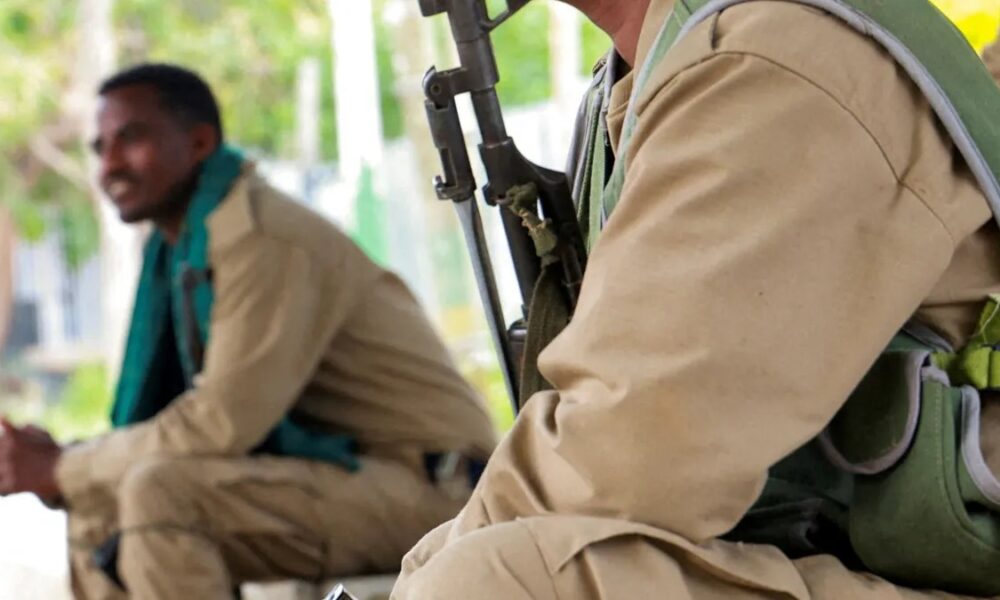
A newly formed armed coalition in Ethiopia has declared its intention to remove Prime Minister Abiy Ahmed and establish an inclusive political transition, setting the stage for a fresh challenge to the federal government.
Table Of Content
The Ethiopian Peoples’ Forces Alliance for Survival was announced on September 20 after several months of coordination meetings. The alliance includes the Tigray People’s Liberation Front (TPLF), the Amhara Fano National Movement, the Oromo Liberation Army and four other movements from the Somali, Afar and Benishangul-Gumuz regions.
The meetings were held in the presence of military and security representatives from Eritrea and Sudan, according to an analysis on the alliance. However, the extent of external support for the coalition remains uncertain.
Reported advance in Zone 2
Three days after the announcement, forces from the TPLF and the Afar National Unity Revolutionary Front reportedly moved into several districts in Zone 2 with little resistance. The advance has not been independently confirmed in the supplied reporting, and the districts involved were not identified.
The Afar National Unity Revolutionary Front is led by Ibrahim Osman Aliyu, known as Haji Ibrahim. In a message to Afar residents, he said the fighting was directed at the Prosperity Party and was “not the Afar people or fighter groups”. He also advised residents to join his forces or stay away from the fighting, while saying services and public transport would continue unhindered.
The TPLF, the Amhara Fano National Movement and the Afar group are considered particularly important to the alliance because they operate in northern Ethiopia, near Eritrea. The analysis says their position could allow continued logistical support from Eritrea, although Eritrea has denied accusations from Addis Ababa that it backs the coalition.
Disputes threaten unity
The alliance brings together groups with different regional interests and political agendas. One unresolved issue is western Tigray, known as Wolgait-Tsegede by the Amhara. Both Fano and the TPLF claim the territory, and the alliance’s founding statement does not settle the dispute.
The analysis also points to divisions among Oromo organizations and political elites, competing commands within Fano and disagreements among Tigray’s leadership. Support from the Ogaden National Liberation Front is disputed as well: an overseas faction supports the alliance, while leaders inside Ethiopia’s Somali region deny that they have joined it.
These differences could make it difficult for the coalition to coordinate supply routes, military command and political support across distant regions. Although simultaneous fighting could stretch Ethiopia’s federal army across several theatres, separate conflicts would not necessarily amount to one coordinated campaign.
Ethiopia is already facing continued conflict in parts of Oromia and in the Amhara region. The Pretoria agreement on Tigray was also never fully implemented, according to the analysis. Fano fighters, who previously fought alongside the federal government against the TPLF, now oppose Abiy’s administration.
Political timetable
The alliance’s emergence comes as Ethiopia prepares for the opening of its newly elected parliament on October 5, when a new federal government is expected to be constituted. Elections were held despite voting not taking place in Tigray and several other districts.
Earlier efforts to unite opposition groups have weakened. A United Front of Ethiopian Federalist and Confederalist Forces was announced in 2021, but the coalition later lost members, including the Afar Revolutionary Democratic Unity Front. The Benishangul People’s Liberation Movement also signed a peace agreement with its regional government in 2022.
Possible outcomes include prolonged conflict, fragmentation within the new alliance or coordinated rebel advances following defections from the federal military. A rebel takeover would be considered an unconstitutional change of government under African Union rules and would likely face opposition from countries in the region.
The analysis also warns that outside involvement, including possible support from Eritrea, could strengthen some factions while making them unacceptable to other Ethiopians. Direct conflict involving Ethiopia and Eritrea is presented as another possibility with unpredictable consequences.




No Comment! Be the first one.