
Equity Bank Launches Finserve-Backed EMMA Digital Wallet
Equity Bank has launched EMMA, a digital wallet operated through Finserve Africa, offering payments, savings, loans and bill services through an Android app, USSD and Equitel.

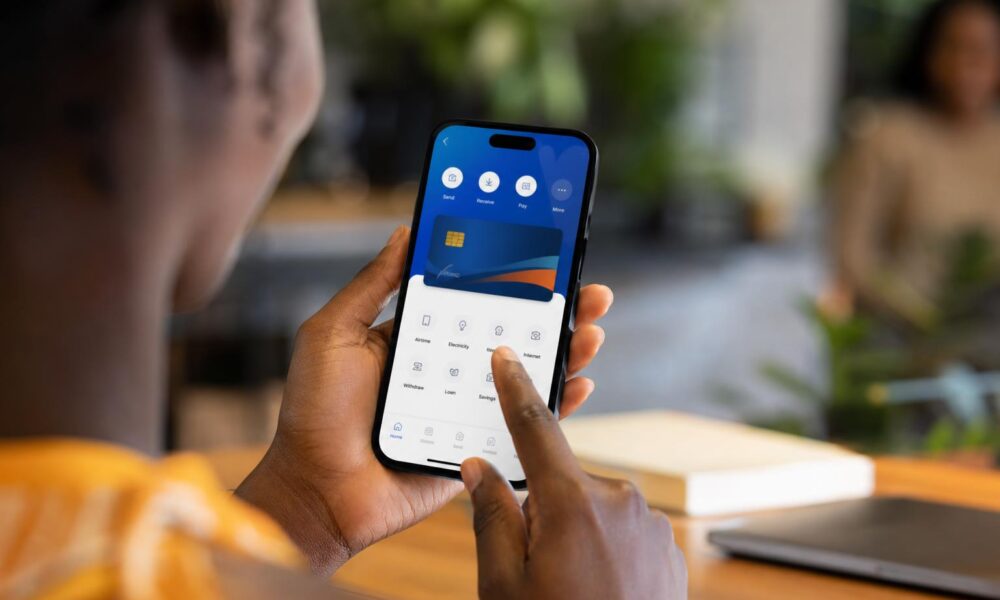
Equity Bank has launched EMMA, a digital wallet operated through its fintech arm, Finserve Africa, as it seeks a larger role in Kenya’s everyday digital payments market.
Table Of Content
EMMA is designed to combine peer-to-peer transfers, airtime purchases, instant loans, savings and bill payments in one service. Customers can use the wallet through an Android application, USSD or the Equitel SIM toolkit.
Interoperability at the centre
The wallet supports transfers to Safaricom’s M-PESA merchant ecosystem, Airtel Money and commercial bank accounts. It can also be used to send money to recipients who are not registered on the platform.
This open-interoperability model allows EMMA users to transact beyond Equity’s own channels instead of being restricted to a closed payment network.
Finserve’s role also distinguishes EMMA from a service built directly under Equity Bank’s banking licence. The fintech arm already powers Equity’s Jenga application programming interface and payment gateway.
Competing for payment activity and data
The launch comes as banks and fintech companies compete for a greater share of routine payments, while banks continue to hold most customer deposits. The report notes that more than 90% of retail transactions at Kenya’s tier-one lenders take place outside branches.
Equity intends to use EMMA to keep more merchant and peer-to-peer payment activity within its ecosystem. The associated transaction data is also expected to support the lending models used to assess customers and small businesses.
The wallet structure gives Equity more flexibility to operate outside its core banking system, test pricing and introduce products more quickly than a traditional bank platform, according to the report.
A wider fintech shift
Other Kenyan banks have also separated digital financial services from their traditional banking operations. Absa Next, for example, is described as a cloud-based platform running on Amazon Web Services and available to both Absa customers and non-customers. Absa says it uses alternative behavioural data to assess borrowers on the platform, with instant credit ranging from KES 500 ($3.86) to KES 1 million ($7,710).
NCBA operates its LOOP service through the standalone fintech subsidiary LOOP DFS. LOOP offers automated underwriting, Buy Now Pay Later credit through LOOP Flex, device financing and embedded credit for transport and agricultural cooperatives. The platform has evolved from an urban lifestyle neobank into a Platform-as-a-Service business.
Potential regional use
Equity is also considering a software-based wallet as a possible route for supporting financial services in the Democratic Republic of Congo, Rwanda and Uganda. The approach could help the bank serve agricultural supply chains, distributor networks and cross-border trade without replicating Kenya’s physical banking infrastructure in each market.
However, the available information does not establish that EMMA is already offered outside Kenya. No user numbers, transaction volumes or revenue figures have been provided for the wallet.





No Comment! Be the first one.