
Africa’s AMR Response Constrained by Gaps in Testing and Health Data
Limited laboratory testing, delayed reporting and gaps in medicine-quality monitoring are making it harder to track and treat antimicrobial resistance in Africa, according to a TechCabal Insights...

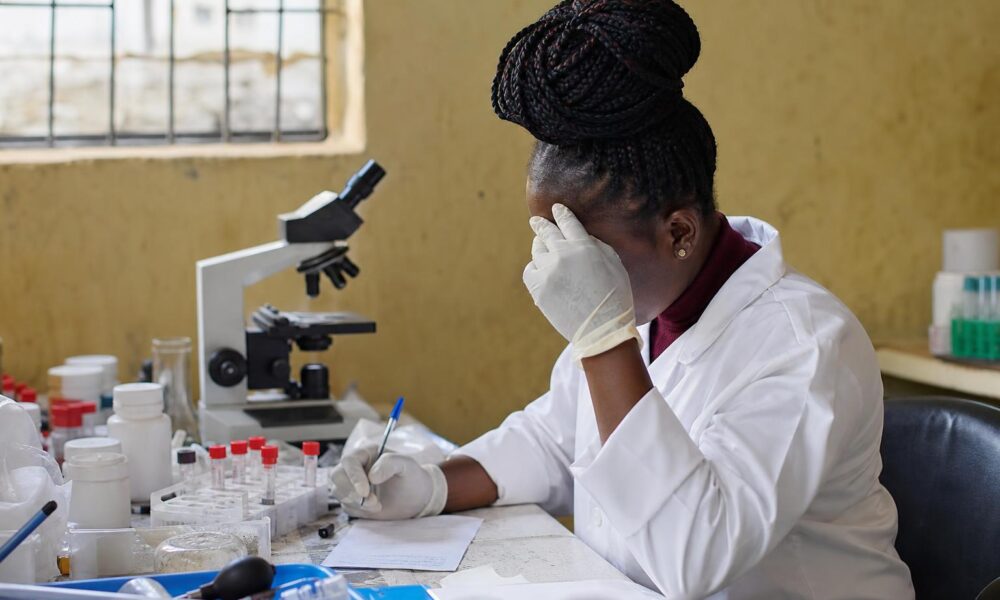
Efforts to monitor and treat antimicrobial resistance (AMR) in Africa are being hampered by weak laboratory capacity, incomplete clinical records and gaps in medicine-quality surveillance, according to a TechCabal Insights contributor report by Chinaza Esiaba.
Table Of Content
AMR occurs when microbes evolve to withstand medicines used against them, making common infections more difficult to treat and, in some cases, untreatable. The analysis presents the continent’s data shortage as a major obstacle to understanding where resistance is spreading and which treatments remain effective.
Limited evidence of resistance
The World Health Organisation estimates that one in five laboratory-confirmed bacterial infections in its African Region in 2023 was resistant to antibiotics. The figure does not include infections that were never tested, meaning the available evidence may not reflect the full scale of the problem.
Western sub-Saharan Africa recorded the world’s highest estimated death rate attributable to bacterial AMR in 2019, according to a Lancet analysis cited in the report. The estimate was 27.3 deaths per 100,000 people.
WHO data cited by TechCabal also show that 48% of countries did not submit resistance data to the Global Antimicrobial Resistance and Use Surveillance System in 2023. About half of the countries that did report lacked systems considered capable of producing reliable data.
In Nigeria, the Nigeria Centre for Disease Control and Prevention reported that one in two hospitalised patients receiving antibiotics is treated with more than one antibiotic. Dr Ifeyinwa George, a pharmacist and AMR programme manager at DRASA Health Trust, identified limited laboratory capacity as a barrier to detecting and following resistant pathogens.
Testing and reporting weaknesses
An Africa CDC-led study covering 14 countries found that only 1.3% of roughly 50,000 laboratories in participating networks performed bacteriology testing. Of approximately 187,000 samples tested for resistance, 88% lacked clinical details such as a diagnosis or information about previous antibiotic use.
The report also cites a survey of 219 Kenyan health facilities. It found that 61.6% did not offer bacterial culture testing, while 16.9% performed antimicrobial susceptibility testing, which helps establish whether a particular medicine can work against an infection.
Delays in transferring laboratory information can further reduce its value to clinicians and public health authorities. At Cape Coast Teaching Hospital in Ghana, laboratory reports took an average of 3.4 days from sample receipt to upload into the electronic health system.
“When we do not test, we are essentially flying blind,” said Prof Beverly Egyir, a Ghanaian AMR researcher, in the context of inadequate testing.
Medicine quality adds another challenge
The analysis says counterfeit and substandard medicines can complicate both treatment and surveillance. Products containing inadequate amounts of active ingredients may fail to clear infections and can contribute to resistance.
Ghana’s Food and Drugs Authority reported finding counterfeit pharmaceutical products worth GH₵42 million, or $3.6 million, in 2025. Separately, Nigeria’s National Primary Healthcare Development Agency stated that about 70% of medicines distributed in the country were substandard or counterfeit. TechCabal presented the Nigerian figure as an attributed claim and did not independently verify it.
Nigeria’s National Agency for Food and Drug Administration and Control uses a Mobile Authentication Service that allows consumers to check medicine codes by text message. The report also points to WHO digital-transformation guidance encouraging interoperable systems for reporting substandard and falsified medicines.
Technology and investment opportunities
The report identifies connected laboratories, digital reporting platforms, medicine traceability and integrated health-data systems as potential areas for investment. Such systems could help link test results with patient information and make evidence more useful to clinicians, regulators and public health teams.
South Africa’s National Institute for Communicable Diseases publishes an AMR dashboard based on laboratory data. In Ghana, researchers have used whole-genome sequencing to study cholera isolates alongside samples from other African countries.
Kenya’s surveillance programme began with two model sites established in 2017 and later expanded into a network of 32 sites across 27 countries, according to a WHO account cited by the report. Kenya now combines resistance, antibiotic-use and consumption data in a central warehouse and began submitting individual-level data to GLASS in 2025. Susan Githii, Kenya’s GLASS focal person, said richer data help the country understand resistance trends and guide decisions.
The EU-backed ARILAC initiative is set to strengthen laboratory and data systems in eight countries over four years. Africa CDC has also called for AMR laboratory and data systems to be included in national budgets, while its 2026–2030 AMR framework lists sustainable financing as a priority.




No Comment! Be the first one.