
Morocco’s Sale Film Festival Puts Women at the Centre of Cinema
Morocco’s weeklong Sale film festival focused on women in cinema, screened films with Arabic subtitles for the first time and awarded filmmaker Mohammed Abderrahman Tazi.

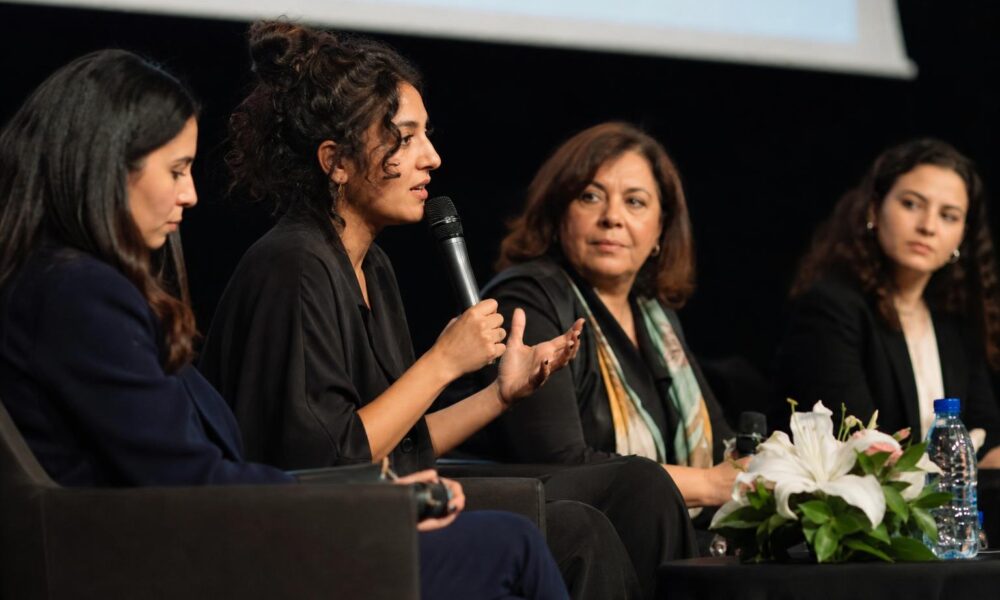
Morocco’s Sale film festival has used its 19th edition to examine women’s place in cinema, including the roles, opportunities and financing available to them.
Table Of Content
The weeklong festival opened on Sept. 28 and combined film screenings, discussions and awards. Its focus on women continued a tradition that began 22 years ago, when the festival first highlighted the roles of Moroccan women in the film industry.
Moroccan actress Bouchra Ahrich said the event supports women’s causes both through the films shown and through the women who participate.
“Sale city’s festival champions women’s causes through the films screened and also through the names of the women present,” Ahrich said.
Arabic subtitles introduced
For the first time in the festival’s history, the films screened during the edition included Arabic subtitles. The measure was introduced to make the programme easier for audiences to follow.
Nine feature films competed in the fiction competition, while several filmmakers received trophies in recognition of their work. Audience members gathered on the red carpet to watch arriving stars, with some posing for photographs and others taking selfies with fans.
Tazi receives first male director award
Filmmaker and director Mohammed Abderrahman Tazi was honoured as the first male director to receive an award from the Sale festival. Tazi, whose career in cinema spans more than six decades, described the recognition as an honour.
He said filmmakers had a responsibility to reflect women’s circumstances in Morocco and welcomed greater exchange between men and women working in the industry.
“Since women make up half of society, filmmakers must show the situation of women in Morocco,” Tazi said.
He added: “I am also happy to see that there is a dialogue between male and female filmmakers, rather than having every side staying in their own world.”
African film connections
Screenwriter and filmmaker Baro Orokiatou said the festival gives filmmakers an opportunity to explore films by women and discover “the artistic side of women.”
Orokiatou also viewed the event as a place to identify new films for upcoming African festivals, including the Panafricain Film and Television Festival of Ouagadougou, described as one of Africa’s most prestigious film festivals.
Through its competition, conversations and recognition of filmmakers, the Sale festival continued its long-running focus on women’s participation in cinema while broadening access to its screenings for Arabic-speaking audiences.






No Comment! Be the first one.