
Copia and Koko Insolvencies Highlight Uncertain Recovery for Startup Creditors
The liquidation of Copia Global and administration of Koko Networks (UK) Limited have drawn attention to the risks creditors face when venture-backed startups fail.

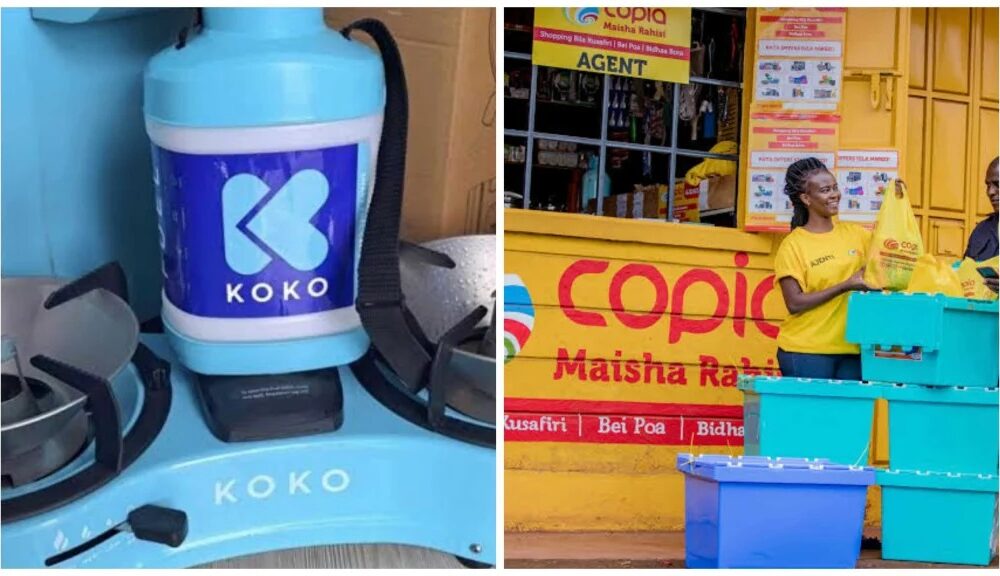
The insolvency proceedings involving Copia Global and Koko Networks are highlighting the difficult choices creditors may face when venture-backed startups collapse with limited recoverable assets.
Table Of Content
Copia entered administration in May 2024 after struggling to maintain its agent-based e-commerce model. On September 17, 2026, the High Court in Nairobi ordered the company into liquidation and appointed its existing administrators, Julius Mumo Ngonga and Anthony Makenzi Muthusi of KPMG, as joint liquidators.
Copia creditors question liquidation process
Copia’s administrators estimated that the company had realisable assets worth KES 206.6 million, or about $1.6 million. That compared with KES 169.5 million, approximately $1.3 million, in creditor claims and administration costs before preferential claims and other expenses were considered.
The figures leave uncertainty over what will remain for creditors after the costs and legal priorities of the liquidation are taken into account.
Tuffsteel Limited told the High Court that Copia owed it KES 13.3 million, or about $103,000, for supplies. Jastan Traders Limited, which provided transport services, claimed KES 793,022, equivalent to about $6,100.
Tuffsteel and other creditors challenged aspects of the proposed liquidation process. Their applications sought additional safeguards and an independent forensic investigation. Creditors also questioned the reported transfer of Copia’s brand, intellectual property and transactional data to US-registered Copia Holdings.
Justice Rhoda Rutto dismissed the applications for additional orders and appointed the existing administrators as liquidators. The concerns raised by creditors were not judicial findings that Copia’s assets had been improperly transferred.
Koko’s carbon-credit model under pressure
Koko Networks (UK) Limited entered administration in February 2026, with PwC appointed as administrator. The company’s business model relied partly on revenue from carbon credits generated by its Kenyan operations.
Koko sold subsidised bioethanol stoves and fuel to households that might otherwise use charcoal or kerosene. Its financial model also depended on access to carbon-credit revenue and regulatory approval to enter higher-priced compliance markets. According to the reported account, Kenya did not grant the approval needed for that market access, disrupting the business.
The administrators later struggled to find a buyer for Koko’s carbon credits. Business Daily, as cited by TechCabal, reported the value of those credits at £274,992.
Accounts for Koko Networks (UK) Limited showed turnover of £39.8 million, or about $50.5 million, in 2024, up from £1.8 million, approximately $2.3 million, the previous year. Despite the increase, the company recorded a £14 million loss, about $17.8 million, and accumulated deficits of £104.6 million, or roughly $132.8 million.
Separate companies can limit recovery options
The proceedings also demonstrate the importance of corporate structure in insolvency cases. Assets and liabilities held by companies within the same group remain legally separate. Creditors cannot automatically claim property held by another company in the group.
Recovery may instead depend on guarantees, security arrangements, intercompany obligations and the law governing the relevant companies and transactions. Secured creditors may claim against assets covered by their security, while some employee and tax claims can receive preferential treatment. Ordinary unsecured suppliers generally rank lower in the repayment order.
Copia raised $123 million, while Koko Networks raised more than $100 million from international investors. However, the amount ultimately available to each creditor is determined by realised assets, insolvency costs, the validity of claims and legal priority—not by the total funding a company previously received.
Neither proceeding has established how much every creditor will recover. The final distributions for Copia’s creditors remain unclear, and the available information does not state whether Koko’s carbon credits were ultimately sold or provide a complete account of its creditors.






No Comment! Be the first one.