
US Expands Deportations of Migrants to Countries With No Prior Ties
The Trump administration has expanded the use of third-country deportations, prompting criticism from rights groups, UN experts and some US courts over due process and the risk of persecution.

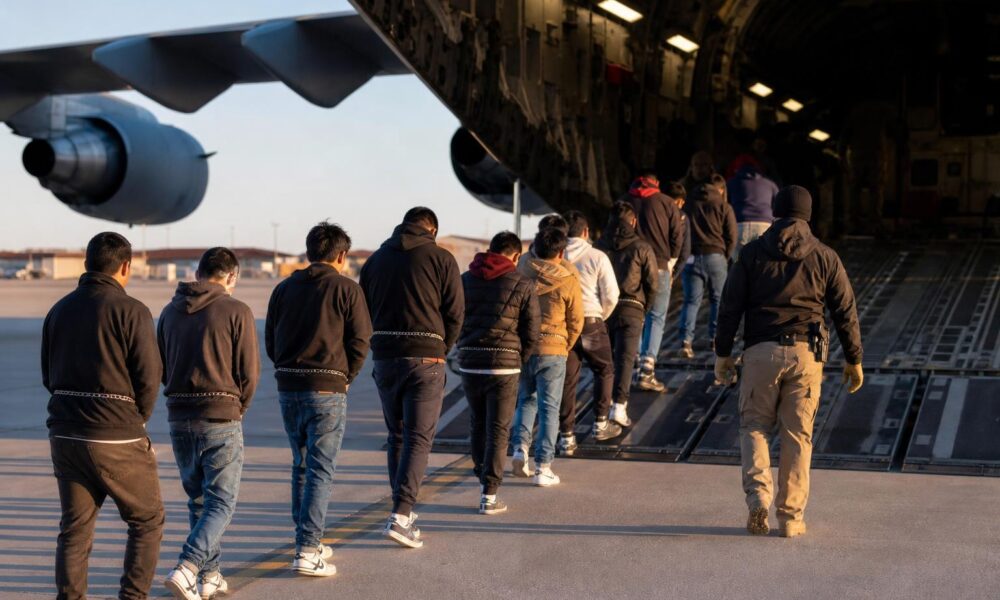
The administration of US President Donald Trump has sharply expanded the deportation of migrants and asylum seekers to countries where they may have no cultural, legal or personal ties.
US immigration authorities have increased detentions and deportations since January 2025. Department of Homeland Security data covering January 2025 through August 2026 recorded more than 16,000 third-country deportation cases, according to data provided to the Deportation Data Project and analysed by Al Jazeera. The figure is considered likely to be an undercount.
Refugees International and Human Rights First have separately estimated that more than 25,000 people have been subjected to forcible deportations to third countries. Their tally is based on media reports and information from attorneys, rather than a complete official database.
Agreements with receiving countries
Third-country deportations require approval from authorities in the countries receiving the deportees. The Trump administration has pursued formal agreements and informal understandings with governments willing to accept people removed from the United States.
El Salvador and Eswatini have agreed to keep some deportees in prisons. Other arrangements allow people to be held temporarily while they pursue asylum claims under Asylum Cooperative Agreements or Safe Third Country Agreements.
Liberia agreed to accept up to 1,200 deportees. In connection with that arrangement, the US administration committed $124m for Liberia’s health services and said it would extend the validity of certain visas for Liberians from 12 to 36 months.
Cameroon agreed in December 2025 to accept third-country nationals from the United States. The US administration pledged $30m for United Nations refugee work in Cameroon and $400m over the coming years for the country’s health services.
The administration has also used financial aid, business concessions or visa-related measures to encourage countries to accept people deported from the US, according to the source account.
Rights and legal concerns
Rights organisations have warned that many deportees do not know where they are being sent and may arrive without language skills, cultural understanding or identity documents. They also say that some people might otherwise not have been deported without their consent.
Critics have questioned whether receiving countries will fairly assess asylum claims and whether deportees could eventually be sent back to their countries of origin. Some of the countries involved have records of human rights abuses or are considered sufficiently dangerous that the US government advises its own citizens against travelling there, according to the source.
US law and the United Nations Convention Against Torture prohibit deporting a person to a country where they would face persecution or torture. Asylum seekers are also supposed to have an opportunity to explain dangers they could face in their home countries.
Some US courts have ruled that the practice is illegal, while the US Supreme Court has allowed it to continue, including in a ruling issued in September.
United Nations experts have described the consequences as a “cascade of human rights violations” and warned that the policy could weaken established protections for refugees and asylum seekers.
Rights groups say third-country deportations existed before the Trump administration but were extremely uncommon. They argue that the scale reached since January 2025 is unprecedented in US practice.





No Comment! Be the first one.