
Lagos Fashion Week’s 15th Edition Puts Sustainability Alongside African Design
Lagos Fashion Week has returned for its 15th edition, showcasing dozens of African designers and placing sustainability, circularity and creative ownership at the centre of the event.

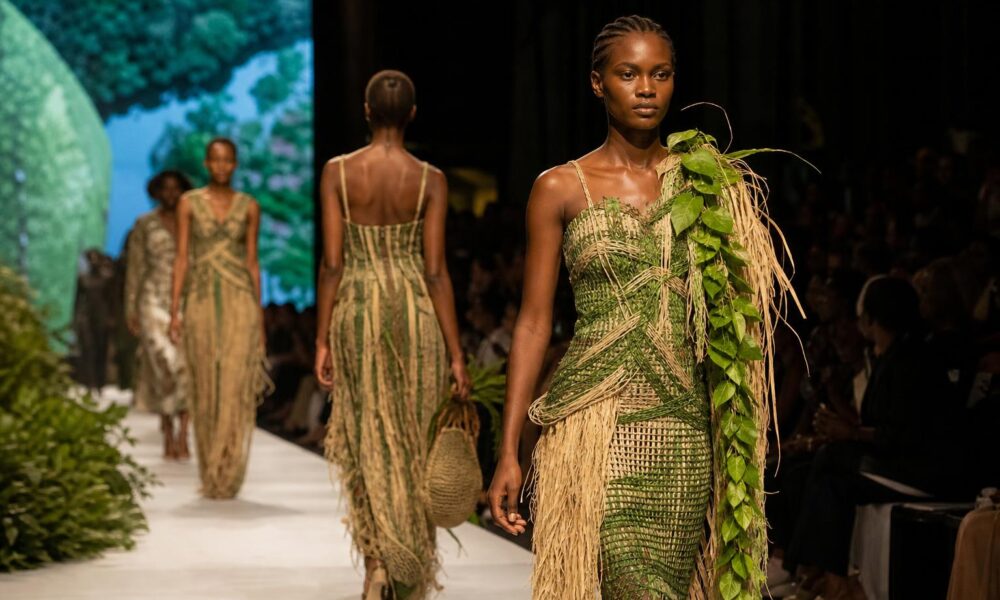
LAGOS, Nigeria — Lagos Fashion Week has returned for its 15th edition, bringing together dozens of Nigerian and African designers for a five-day showcase of contemporary African fashion.
Models presented designs across multiple runways as the event highlighted the heritage, craftsmanship and distinctive character of fashion from the continent. Organisers selected “Crafted” as this year’s theme, drawing attention to the skill and cultural heritage behind finished garments and products.
Fashion rooted in heritage
The event comes as African fashion receives growing international attention. Queen Tumenta, a Cameroonian designer, said the increased visibility reflected creative work that had existed for years but had not previously received a broad platform.
“This is just an abundance of what has existed already through the years, and we’re just having an opportunity to share that,” Tumenta said. She added that African creatives now had “a lot to say” as attention turned towards their work.
Pierre Mbengue, a Cameroonian culinary content creator, described the cultural influences visible in Nigerian fashion as particularly strong.
“African culture in general — and Nigerian culture in particular — is highly extravagant,” Mbengue said. He said Nigerian designers had blended contemporary and traditional elements, creating a style that was bold and difficult to overlook.
Bilen Gaim, an Australian fashionista, said the event differed markedly from fashion weeks she had attended in Australia. She described the Lagos showcase as vibrant and colourful, praising its patterns and overall presentation.
Focus on sustainability and value
Lagos Fashion Week’s emphasis extends beyond appearance. The event also focuses on circularity, sustainability and ensuring that African creators benefit from the value generated by their work.
Organisers issued a manifesto titled the “Blueprint for a Regenerative Fashion Future”. The document calls for a commercially viable fashion industry and for supply chains that “regenerate the land, honour the makers, and keep value on the continent.”
The approach places production, environmental responsibility and the position of makers within the wider fashion system alongside the runway presentations.
Lagos Fashion Week has been described as a major draw for designers, sponsors and international followers of fashion. Its 15th edition combines that broad audience with an effort to present African design through its cultural origins while addressing how the industry can develop sustainably.





No Comment! Be the first one.