
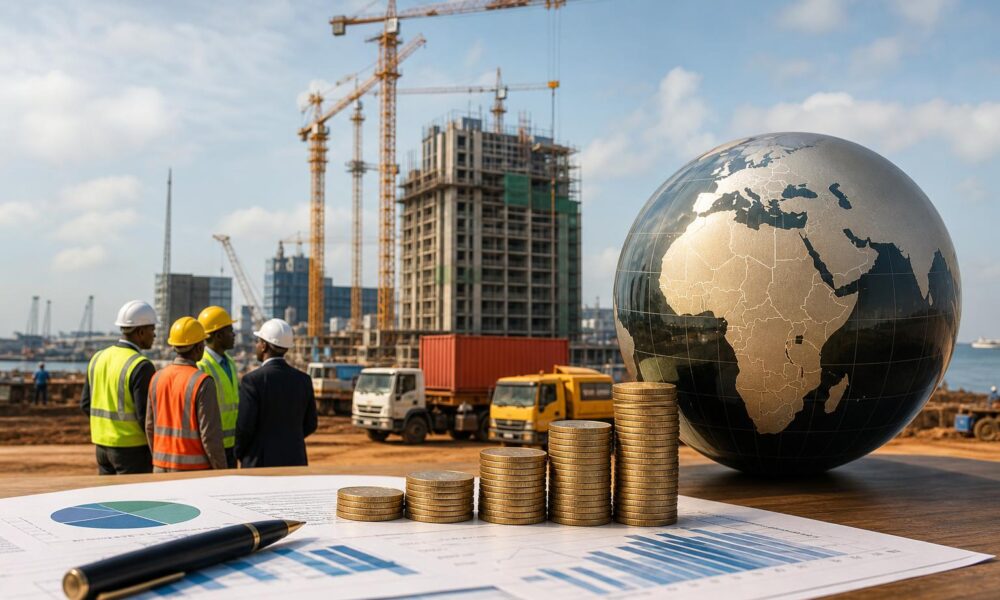
Africa recorded lower foreign direct investment inflows in 2025, even as the number of newly announced investment projects increased, according to figures cited by Africanews Business.
Table Of Content
FDI flows into the continent reached approximately $70 billion in 2025, down from $94 billion in 2024. The fall represents a decline of nearly 26%, although inflows remained among the highest recorded since 1990.
The value of newly announced projects also dropped by nearly one-third. However, the number of projects rose, a pattern that suggests investors were supporting more initiatives at a smaller average scale.
Investment remained focused largely on energy, infrastructure and critical minerals. Investors from the Gulf and Asia were also identified as playing an increasingly prominent role in African investment.
Egypt, Guinea lead listed recipients
Egypt attracted $15.5 billion in FDI, making it the leading recipient among the countries listed. Guinea followed with $7.8 billion, while Mozambique received $5.7 billion.
The decline in 2025 followed an exceptional 2024 that was driven by several major investment deals. Despite the overall strength of inflows, the economic benefits of investment remained unevenly distributed across African countries.
Guinea seeks to strengthen domestic supply
Guinea’s agricultural sector illustrates the challenge of converting investment and production gains into broader domestic benefits. The country’s maize output increased by 33%, rising from 569,000 tonnes in the 2024–2025 period to nearly 757,000 tonnes in 2025–2026.
Even with that increase, Guinean poultry feed manufacturers remain dependent on imported maize. Poultry farmers have sought to source more of the crop locally instead of relying on supplies from Mali or Côte d’Ivoire.
An initiative aims to develop 500 hectares of farmland and cover 70% of the costs. The Agricultural Research Institute is also providing farmers with improved seeds and technical assistance.
A factory in Conakry can produce up to 1,500 tonnes of poultry feed each month, with maize accounting for half of its composition. A more dependable domestic supply could help reduce transport costs and limit the industry’s exposure to international price fluctuations.
Nigeria faces visa-related financial pressures
In Nigeria, the cost of pursuing opportunities abroad has become another economic concern. The Ministry of Foreign Affairs estimates that Nigerians spend nearly $56 million each year on visa fees and related expenses, including costs linked to rejected applications.
Olisa Ogbechie’s application to travel to Canada for drone-piloting training was rejected. He said he lost approximately $130 in non-refundable fees. The application was rejected without a clear explanation, while concerns about applicants’ ability to support themselves financially abroad are among the reasons cited for visa refusals.
Many Nigerians continue to seek overseas employment, skills and economic opportunities despite the cost and risks associated with visa applications. President Bola Tinubu’s government is seeking to expand digital skills training and employment opportunities at home, including through the Hire from Nigeria initiative.
The contrasting developments across the continent underline the difference between attracting investment and ensuring that it supports domestic production, employment and wider economic opportunity.






No Comment! Be the first one.