
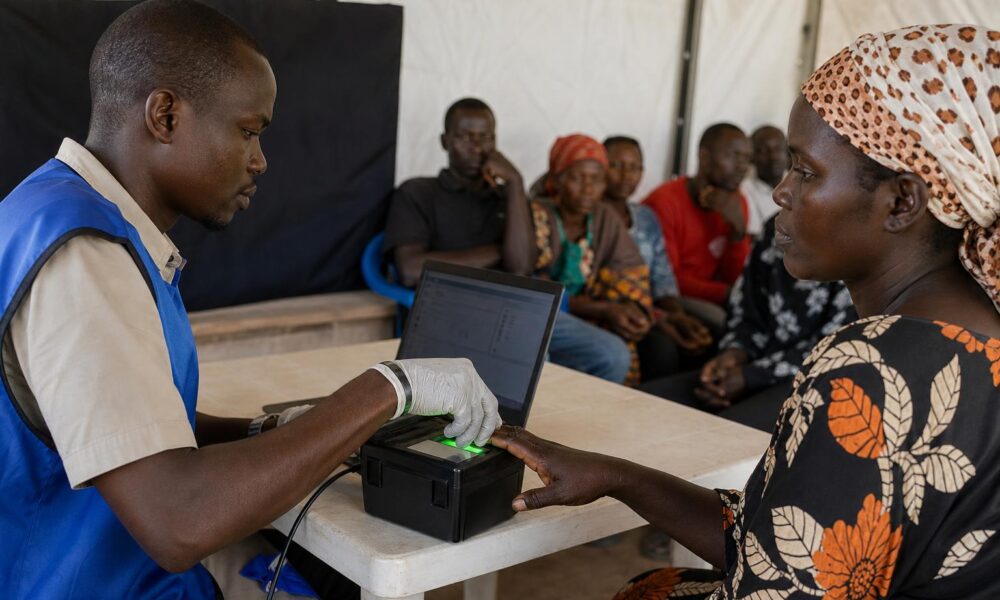
Voter registration has begun in South Sudan ahead of the country’s first general elections since it became independent from Sudan in 2011.
Table Of Content
The registration exercise is scheduled to continue until 28 November, according to Gabriel Bol Deng Majok, chairman of the National Electoral Commission. It is being carried out across the country’s 10 states and three administrative areas through 3,161 registration centres.
More than 22,000 staff have been recruited to support the operation, Deng said. He urged eligible South Sudanese citizens to “demonstrate their democratic right to register and vote”.
Election date remains unclear
Voting is officially scheduled for 22 December. However, several local media outlets have reported that the poll may have been moved to 11 February. The year connected to that alternative date has not been specified, and the reported change has not been independently confirmed.
The elections were initially planned for 2015. Authorities have postponed them twice and extended the country’s transitional period several times.
Regional and international partners have raised concerns about South Sudan’s preparedness to conduct credible elections, citing continuing violence and political tensions.
Logistical and identification challenges
Deng said election-related equipment had reached the 10 state capitals and the three administrative zones. It was expected to take several more days for some supplies to reach centres farther afield, reducing the time available for registration in those locations.
Identification is another significant challenge. The World Bank estimates that about 90 percent of South Sudan’s approximately 15 million inhabitants do not possess state-recognised identification.
Deng said people without identification, particularly in villages, could be identified by paramount chiefs or other community chiefs. Identification forms are also available for that purpose.
After registration closes, the commission said it will publish a preliminary register showing the number of people eligible to vote.
Political tensions
The registration process is unfolding against the backdrop of a fragile political environment. Former vice-president Riek Machar, described as President Salva Kiir’s main opponent, has been under house arrest since March 2025 and is accused of crimes against humanity.
A civil war between forces loyal to Kiir and Machar from 2013 to 2018 resulted in more than 400,000 deaths, according to the source report.
Deng called on election committees, security agencies, political parties, civil society organisations, community leaders and the media to support public awareness and help make the registration exercise inclusive.




No Comment! Be the first one.