
Nvidia Reinstates Jensen Huang as CEO Amid Ongoing Espionage Inquiry
Nvidia has restored Jensen Huang as president, chief executive and board member, reversing his resignation after board deliberations and undisclosed input from senior US government officials.

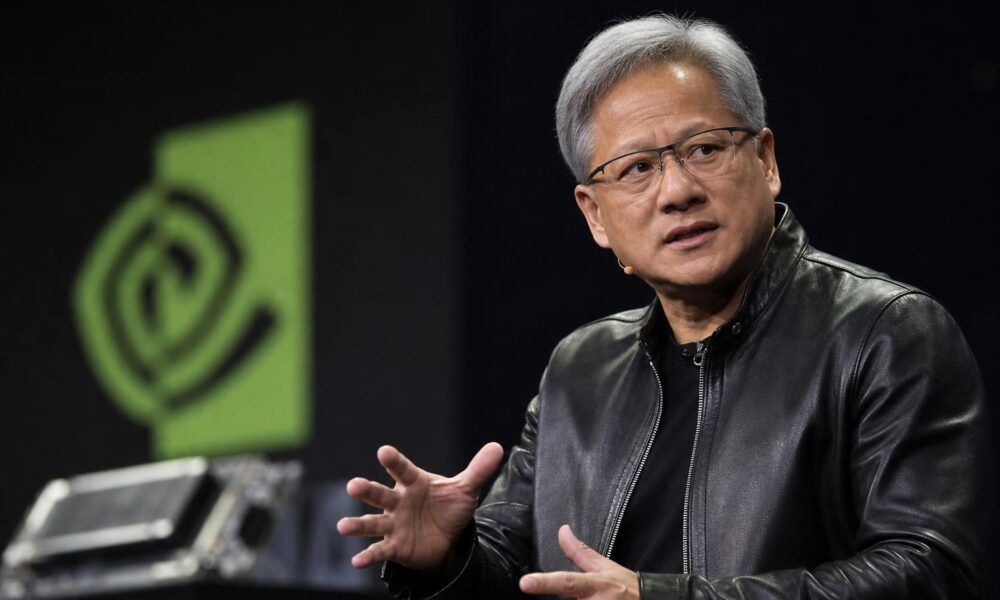
Nvidia has reinstated Jensen Huang as its president, chief executive and board member, reversing his resignation after a series of board meetings and consultations involving senior US government officials.
Table Of Content
The company said the board voted unanimously to bring Huang back with immediate effect. Nvidia said directors were satisfied with his “candor and ability to lead” and had become confident that his return posed no national security risk following input from senior levels of the US government.
The identities of the officials involved and the details of their input were not disclosed.
Investigation to continue
Nvidia said its independent-director committee would continue examining whether Huang had been targeted by a foreign intelligence effort. Huang has committed to cooperating with the investigation, which had not reached an outcome at the time of the announcement.
The reinstatement follows reports that Huang resigned about two weeks earlier over a relationship with Alice Huang, a former executive at Singapore-based Megaspeed. The two are not related. US intelligence agencies reportedly suspected Alice Huang of spying for China, and intelligence services reportedly concluded that she passed information to Beijing. China denied those allegations.
The reported espionage-related claims remain unresolved. Megaspeed had purchased billions of dollars’ worth of Nvidia chips, while the source report said it had not been established whether any related sales breached US export rules.
Leadership changes reversed
Harvey Jones will remain Nvidia’s board chair. Colette Kress, who served as interim chief executive during Huang’s absence, will continue as chief financial officer.
Jones had previously told investors that directors had unanimously accepted Huang’s resignation and did not intend to reinstate him. Following the latest decision, he said the board believed Huang “is the right person to lead Nvidia.”
Huang said he was returning with “the greatest humility and renewed commitment” and added: “I can’t wait to get back to work.”
The decision came after public support for Huang from Silicon Valley figures including Elon Musk and Uber co-founder Travis Kalanick, as well as a petition signed by thousands of current and former Nvidia employees.
Political and market reaction
US President Donald Trump welcomed Huang’s return, calling it the “correct and proper decision.” Trump had publicly encouraged Nvidia to rehire Huang and previously described him as “one of the truly most brilliant minds in the world.”
The reinstatement also followed differing views within the US administration. Treasury Secretary Scott Bessent had earlier called for a “dramatic shakeup” at Nvidia and urged the board to consider candidates from outside the company. He had also said responsibility needed to be determined over chip sales that may have violated US export rules.
US stocks rose early Monday after Nvidia announced the move. Nvidia shares gained about 26%, while the technology-heavy Nasdaq climbed more than 5%, according to the source report.
Dan Ives of Yorkville Ives & Co said the board “knew it had no choice to bring him back,” arguing that losing Huang at the beginning of a new product cycle presented a greater risk to shareholders.
The report also said Nvidia donated $25 million to a White House ballroom project associated with Trump, according to a donor list published by The Washington Post.





No Comment! Be the first one.