
Authors Link AGRA’s Maize Focus to Decline of Traditional African Crops
Authors of a new analysis argue that AGRA-backed agricultural programmes have expanded maize cultivation while weakening the position of traditional African crops such as millet, cassava and...

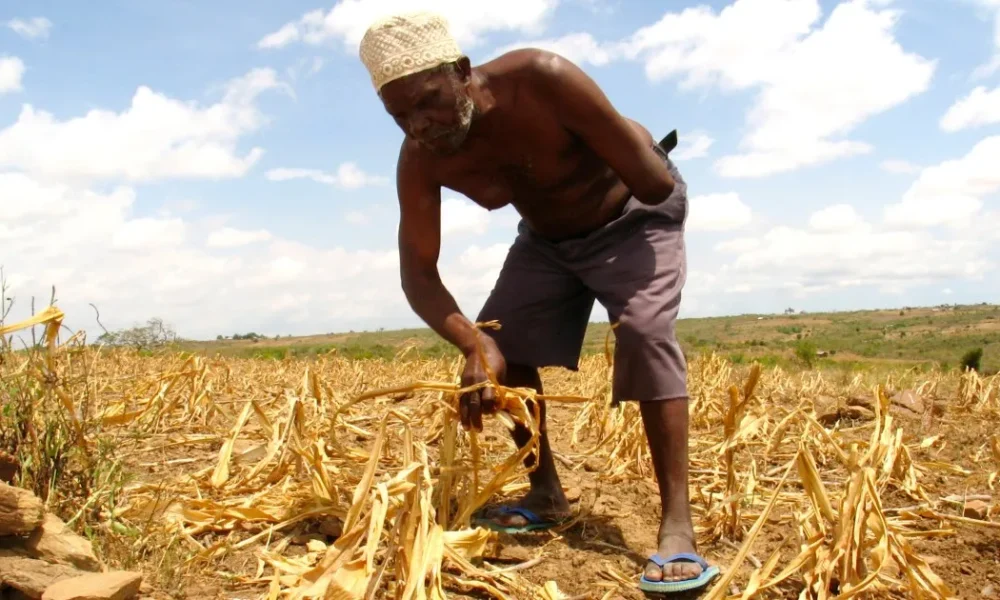
Authors of an analysis on African agriculture are questioning the results of the Green Revolution approach promoted by the Alliance for a Green Revolution in Africa, known as AGRA.
Table Of Content
They argue that the donor-funded initiative’s emphasis on commercial seeds, fertilisers and other agricultural inputs has encouraged maize expansion while reducing production, land allocation and investment in traditional crops, including millet, cassava and groundnuts.
The authors say their research found that AGRA’s approach did not deliver the “productivity revolution” promised by its founders. They also report that the number of undernourished people in countries where AGRA had a significant presence rose by about 60 percent.
Maize gains fell short of target
According to the analysis, maize production and the amount of land devoted to the crop increased in countries involved in AGRA projects. However, maize yields in participating countries rose by 40 percent over 18 years, below the 100 percent improvement the authors say AGRA had promised.
Performance varied across countries. The authors report stronger maize-yield growth in Malawi and Ethiopia, while yields declined in Kenya.
The analysis also links the expansion of maize to setbacks for other crops. Across 13 participating countries, cassava productivity reportedly fell by 21 percent and groundnut productivity by 10 percent since AGRA was launched in 2006.
Millet among the hardest hit
Millet is identified as the crop that suffered the greatest decline among those examined. The authors report that millet production fell by 27 percent and yields dropped by 17 percent since 2006. Land allocated to millet also declined by 12 percent, while land used for maize increased by 71 percent.
The authors describe millet, sorghum, cassava, groundnuts, cowpeas, fonio and indigenous vegetables as important traditional crops for African food systems. They argue that these crops are often better suited to local conditions and can contribute to more nutritious diets.
Millet, in particular, is described as capable of withstanding heat and drought, growing with relatively few external inputs and providing nutritious food. The authors say maintaining a wider range of crops can spread agricultural risks, while crop rotation and diversity can support soil fertility.
The United Nations has called for greater attention to affordable healthy diets, while the UN Food and Agriculture Organization highlighted millet during its 2023 “Year of Millets”.
Call for greater farmer control
The authors say AGRA now expresses support for diverse, nutritious and climate-adapted crops. However, they argue that its current seed strategy still places emphasis on improved varieties, certified seeds, commercialisation and market-oriented seed systems.
They are calling for increased investment in traditional crops, crop diversity and indigenous knowledge. They also want farmers to retain the right to save, use, exchange and develop seeds.
The authors urge AGRA, the African Development Bank, foreign donors and African governments to stop subsidising and promoting crops that they say are contributing to the loss of agricultural diversity.
They conclude that African farmers do not need to be “saved”, but that traditional crops require protection from policies and breeding systems that could displace them.
The findings and assessments presented in the analysis are claims by its authors. The article does not provide the research methodology, identify all countries included in its comparisons or include a direct response from AGRA.






No Comment! Be the first one.