
Bo breeding programme targets higher fingerling supply for Sierra Leone fish farmers
Technical staff and development partners have begun an induced-breeding exercise at the Fish Farming Experimental Station in Bo, with the programme aiming to increase fingerling production for...

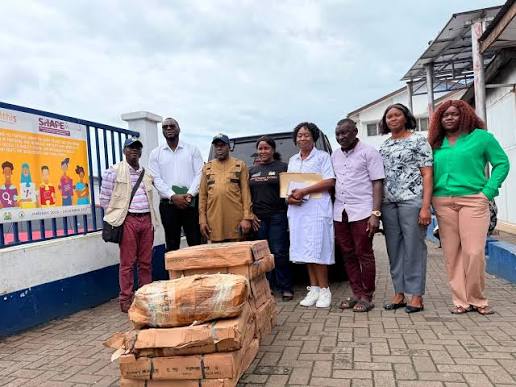
Technical staff from Sierra Leone’s Ministry of Fisheries and Marine Resources and development partners have started an induced-breeding exercise at the newly rehabilitated Fish Farming Experimental Station in Bo.
Table Of Content
The exercise uses the CARTFISH induced breeding protocol and is being conducted under the ministry’s National Fingerling Production Programme. The programme is supported by the Government of Sierra Leone, the United Nations Development Programme (UNDP) and China.
The activity took place over the weekend, although the exact date was not specified. It was led by Sheku Sei, Acting Director of Fisheries, and involved ministry technical staff and development partners supporting the programme.
Targeting fingerling production
According to Sei, the breeding programme is intended to produce fingerlings for distribution to smallholder commercial fish farmers. The programme aims to produce millions of fingerlings annually, though no specific annual target was provided.
Sei said the initiative is also intended to develop a cohort of broodstock for breeding, reduce bottlenecks in production, increase domestic fish production and improve access to fish feed.
The ministry plans to replicate the exercise at the Makali Experimental Fish Farming Station in Tonkolili district. Sei also said the government wants to encourage greater private-sector involvement in aquaculture and is working with development partners on larger bankable projects.
Sector challenges
Aquaculture was introduced in Sierra Leone in the 1970s and remains largely a subsistence activity that provides protein to significant numbers of rural households, according to the source report.
The report said development of the sector has been slow because of the decade-long rebel war and other challenges. These include restrictions involving funding, distribution, the number of fish farms and pond size. The constraints have affected aquaculture’s contribution to food security and sustainable livelihoods, the report said.
The Ministry of Fisheries and Marine Resources has committed to boosting aquaculture through sustainable and innovative measures in collaboration with development partners.
Aquaculture has been identified in the report as having potential to support food security, employment and household income generation. The programme’s expected benefits, however, remain stated objectives and were not independently assessed in the supplied information.
Feed production proposal
The exercise concluded with a visit to MMC Fish Farm at Gelehun in Bo district.
During the activities, Golbert Tembo, representing the Continental Food Action and Aquatic Centre, discussed the potential of Sierra Leone’s aquaculture sector and the challenges it faces. Tembo identified the high cost of fish feed and poor climate conditions as obstacles.
Tembo also said the Continental Food Action and Aquatic Centre wants to produce high-quality fish feeds at Gbangbama in Moyamba district.
The breeding exercise and planned expansion to Makali form part of the ministry’s stated effort to strengthen fingerling supply and support the development of aquaculture in Sierra Leone.


No Comment! Be the first one.