
DRC Ebola outbreak passes 8,000 cases as response faces major challenges
The Democratic Republic of the Congo has recorded 8,067 Ebola cases and 3,901 deaths in its latest outbreak, as officials confront community mistrust, strained health services and shortages of...
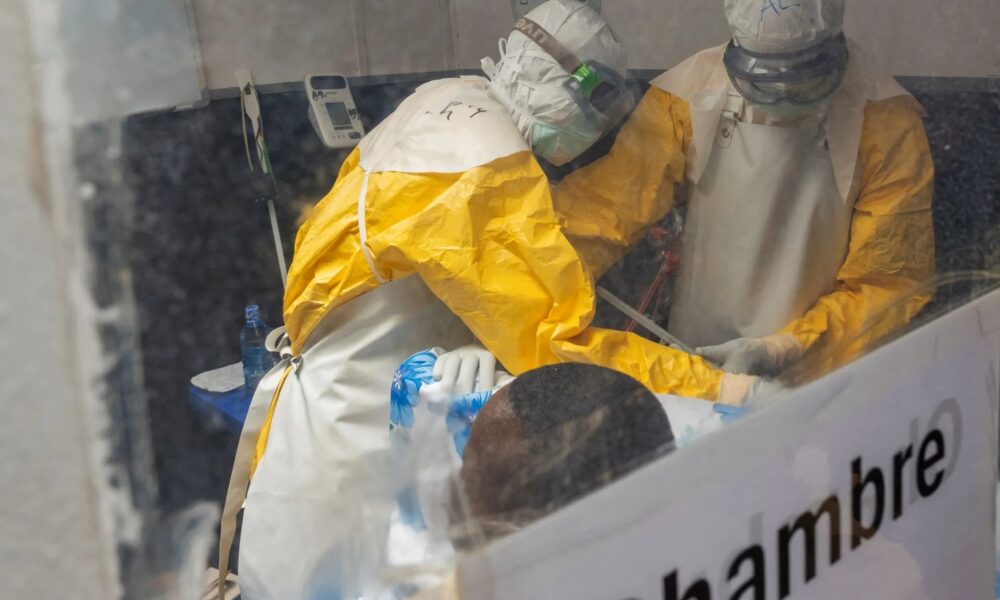
The Democratic Republic of the Congo’s Ebola outbreak has surpassed 8,000 reported cases, with authorities continuing to face public mistrust, limited treatment capacity and shortages of experimental vaccine supplies.
Table Of Content
The latest figures from the DRC public health institute record 8,067 cases and 3,901 deaths, representing a reported fatality rate of 48.4 percent. The outbreak was officially declared on May 15 and is the country’s 17th Ebola outbreak.
Case numbers level off, but outbreak remains active
Africa CDC said the number of cases had levelled off after rising rapidly, but warned that the outbreak was still “not under control”. The World Health Organization has similarly assessed that the outbreak is “far from over”.
The outbreak involves the Bundibugyo strain of Ebola. According to the available information, no vaccine or treatment has been approved for that strain, although several treatments and vaccines are being trialled.
Experts have linked the difficulties in responding to the outbreak to weak health infrastructure, the remoteness of affected areas and continuing conflict near the DRC’s borders with South Sudan, Uganda and Rwanda.
Mistrust and violence hinder prevention efforts
Community mistrust and anger over government policies have made it harder to introduce prevention measures, according to the reported assessment of the response.
A UDPS party representative said a senior party member was beaten to death after raising awareness about the epidemic on radio. Congolese health authorities separately said Marie-Celestin Karondwa was attacked by local residents after appearing on a radio programme where he discussed Ebola prevention measures. The differing accounts have not been independently resolved.
The incident reflects the wider security and community-relations challenges facing health workers and authorities as they seek to encourage residents to cooperate with Ebola control measures.
Treatment and vaccine shortages
DRC authorities said health centres in Ituri province had “low capacity” to treat cases. They also reported a “complete shortage” of experimental vaccine stocks for the Bundibugyo strain in Tshopo province.
The lack of approved medical tools for the strain has increased the importance of the trials under way, while shortages and limited health-service capacity continue to complicate the response.
The United States announced an additional $267 million to support efforts against Ebola and sought pledges from other countries towards a $2 billion funding target.
The current outbreak is being watched against the backdrop of the 2014-2016 Ebola epidemic in West Africa, which killed more than 11,000 people, primarily in Guinea, Liberia and Sierra Leone.



No Comment! Be the first one.