
Tarawally’s ‘Everybody Is Guilty’ Remark Sparks Debate in Sierra Leone
A video featuring Hon. Alhaji Musa Tarawally has prompted public discussion over his statement that “Everybody is guilty,” with supporters describing it as an appeal for collective national...

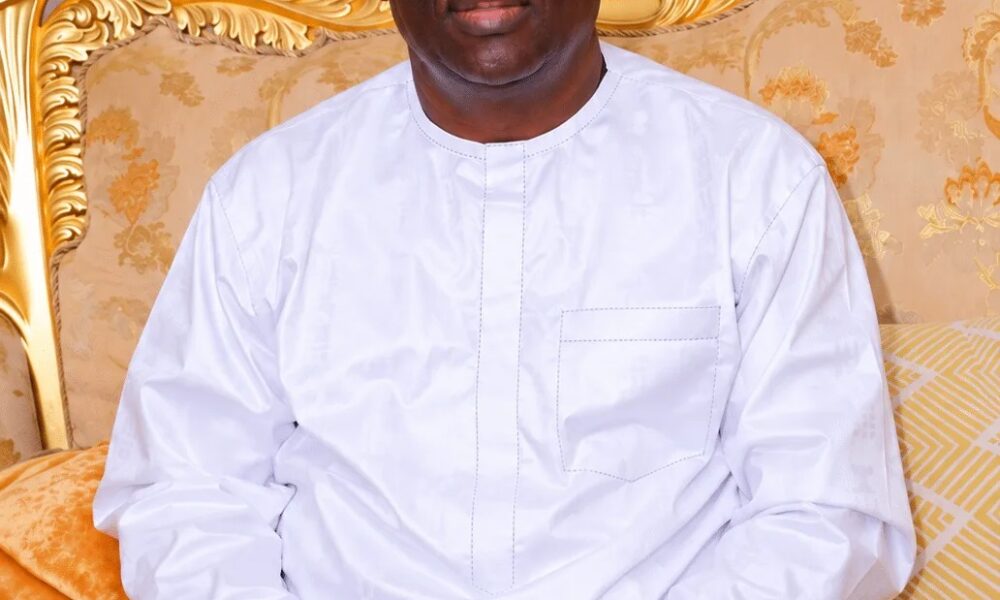
A short video featuring Hon. Alhaji Musa Tarawally’s reflections on Sierra Leone’s political, social and economic conditions has circulated widely on social media, prompting public discussion over his statement that “Everybody is guilty.”
Table Of Content
Supporters of Tarawally say the remark should be understood as a call for collective responsibility rather than an admission of criminal wrongdoing. In their interpretation, the statement refers to the failure of successive generations and different sections of society to sufficiently confront the country’s longstanding challenges.
Supporters explain the statement
Those defending Tarawally say political leaders, public officials, community stakeholders and ordinary citizens all have responsibilities in strengthening national unity and improving living conditions. They argue that no part of society should entirely absolve itself from efforts to address Sierra Leone’s difficulties.
The issues associated with the remarks include national cohesion, political and regional divisions, drug abuse involving Kush, poverty and the welfare of ordinary citizens. Supporters say the message was intended to place the national interest above narrow political considerations and to focus development on people’s everyday needs, including food, shelter and other basic necessities.
They also argue that confronting the Kush crisis requires action by communities and citizens alongside government institutions, rather than leaving the responsibility entirely to the state.
Political and historical context
The video’s themes included references to Sierra Leone’s civil war, associated with Revolutionary United Front leader Foday Sankoh, and the period of military rule under Major Johnny Paul Koroma. Supporters say these references formed part of a broader reflection on the country’s political history and continuing divisions.
The discussion has also unfolded against the background of Tarawally’s long political history and controversy over his status within the Sierra Leone People’s Party. Public claims about his membership have differed, while his supporters maintain that he remains legitimately connected to the party.
Supporters point to Tarawally’s political interventions during the administrations of former Presidents Ahmad Tejan Kabbah and Ernest Bai Koroma, as well as his relationship with President Dr. Julius Maada Bio, as evidence of his willingness to express strong political views.
Dispute over political implications
Supporters reject interpretations that the remarks amounted to a call for instability, violence or unconstitutional action. They say references to a possible political crisis concerned the potential breakdown of political relationships and the formation of alternative democratic alliances.
According to that interpretation, any political objectives linked to Tarawally would be pursued through dialogue, legal action, elections and other mechanisms governed by the rule of law. They describe the statement as an appeal for Sierra Leoneans to work together, not as a threat against the country.
Freedom of expression and legal questions
The debate has also raised questions about the limits of political speech. Section 25 of Sierra Leone’s 1991 Constitution protects freedom of expression while allowing restrictions prescribed by law, including measures relating to public safety, public order and the protection of reputations and rights.
Parliament repealed Part V of the Public Order Act of 1965 in 2020. That part dealt with defamatory and seditious libel.
Whether a particular statement breaches applicable law depends on its wording and context, and would require determination by competent authorities or courts where necessary. The available information does not establish that Tarawally’s remarks breached any law.
No Comment! Be the first one.