
Tunisia Eases Fake-News Decree Penalties After Rights Criticism
Tunisian President Kais Saied has amended a 2022 cybercrime decree, removing prison for first-time fake-news offences and reducing the maximum sentence for repeat violations to six months.

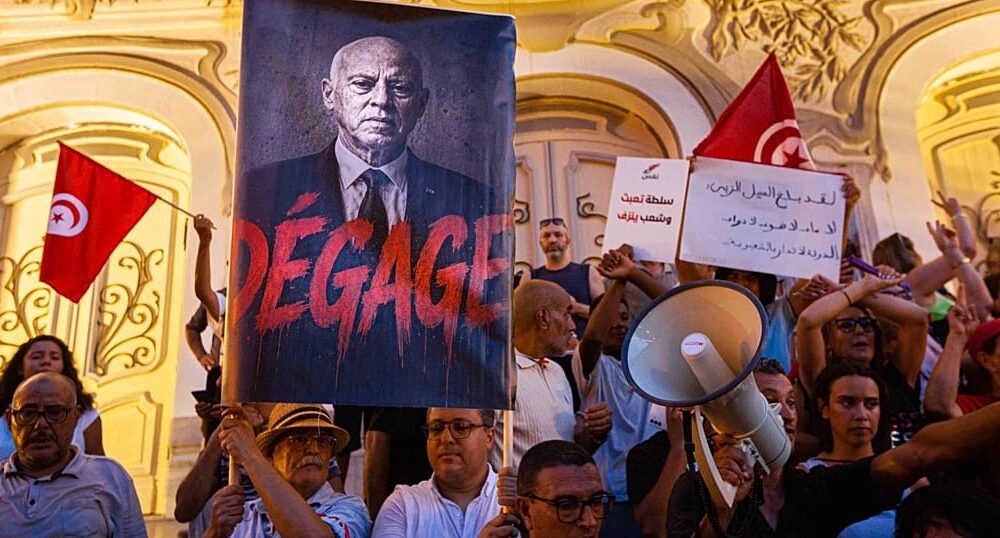
Tunisian President Kais Saied has eased penalties under a cybercrime decree dating back to 2022, removing prison for people convicted of disseminating fake news for the first time.
Table Of Content
The amendment announced on Wednesday also lowers the maximum prison sentence for a repeat offence to six months. The decree concerns the use of information and communications systems and networks to spread fake news or rumours.
Previous penalties
Before the change, the decree provided for a maximum prison term of five years and a fine of up to 50,000 dinars, equivalent to about $17,000, for spreading fake news or rumours through digital systems and networks.
The previous sentence could rise to 10 years when the alleged offence targeted a public official. The available information does not specify whether that provision remains in effect, nor whether the maximum fine has been changed.
Press freedom concerns remain
Rights groups have criticised the decree since its adoption, saying it has been used to prosecute dissenting voices. Reporters Without Borders has also said the provision was repeatedly applied against journalists and other critical voices.
Oussama Bouagila, the organisation’s regional director for North Africa, said the amendment was “a step in the right direction” but did not go far enough to bring the law into line with international press-freedom standards.
Reporters Without Borders said it noted the removal of the five-year prison sentence, which it had “constantly condemned since its adoption in 2022 because of its repeated use against journalists and critical voices.”
Cases cited by rights groups
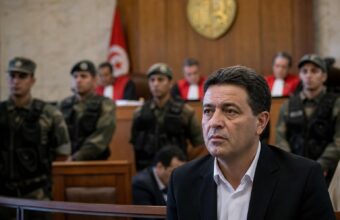
People identified as having been prosecuted under the law include lawyer and commentator Sonia Dahmani, former judge Ahmed Souab, party leader Abir Moussi and Franco-Tunisian journalist Mourad Zeghidi.
The amendment comes amid wider criticism from rights groups over what they describe as a rollback of freedoms in Tunisia since Saied’s sweeping power grab in 2021. The decree was adopted against the backdrop of a country widely described as the only democracy to emerge from the 2011 Arab Spring demonstrations.
While the revision removes the previous five-year maximum for a first offence and reduces the penalty for repeat violations, Reporters Without Borders said the changes remain insufficient to establish a legal framework that meets international standards on press freedom.




No Comment! Be the first one.