
Chagos Talks Revive Return Hopes as Elderly Islanders Fear Further Delays
Renewed UK-Mauritius discussions have raised hopes of resettlement in the Chagos archipelago, but elderly Chagossians fear time is running out as the 2025 agreement remains stalled.

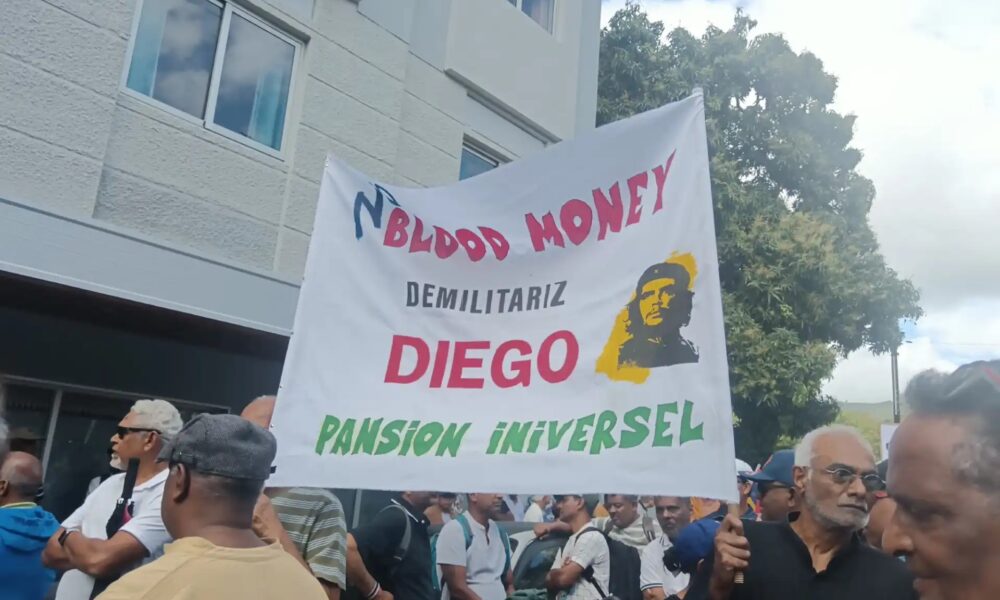
Renewed discussions between the United Kingdom and Mauritius have revived hopes that displaced Chagossians could eventually return to parts of the Chagos archipelago, although the agreement governing the process has not yet taken effect.
Table Of Content
The two countries signed the agreement on May 22, 2025. It provides for Mauritius to exercise sovereignty over the archipelago, while allowing the UK to exercise rights over the Diego Garcia military base for an initial 99-year period. It also permits Mauritius to arrange resettlement on islands other than Diego Garcia.
However, the agreement has not entered into force. The UK government told Parliament in April that legislation required to implement it could not complete its passage during the 2024–26 parliamentary session. The session ended on April 29, and the bill made no further progress.
Diplomatic discussions resume
Diplomatic engagement resumed in September. On September 21, Andy Burnham said the UK would work with Mauritius and the United States on a way forward intended to secure the operation of Diego Garcia and protect UK national security.
Mauritian Prime Minister Navin Ramgoolam travelled to the UK on September 26 for talks with Jonathan Powell and other officials. The Mauritian government said the discussions would address recent developments concerning the Chagos archipelago. The detailed outcome of the talks has not been publicly disclosed.
Donald Trump criticised the agreement in January, describing it as an act of great stupidity and questioning whether it sufficiently protected the Diego Garcia base. The treaty has also faced wider disagreements over its implications for the military facility and the future of the islands.
Elders fear they may not return
For Chagossian campaigners, the delay has a deeply personal cost. Olivier Bancoult said Chagossians born on the archipelago are now between 58 and 100 years old, and that several elders had died during the year.
“We are growing old, and we have lost several Chagossian elders this year alone,” Bancoult said.
He also recalled a funeral at which sand from Chagos was scattered into an elder’s tomb to honour the person’s wish to die in their homeland. The Chagos Refugees Group hopes to celebrate the 101st birthday of one of its members.
“We are opposed to war, ethically, but we are also running out of time,” Bancoult said, linking the urgency over return with concerns about the continued military use of Diego Garcia.
Differences within the community
Chagossian views are not uniform. The Chagos Refugees Group travelled to the UK in June to lobby representatives of British political parties, with the exception of Reform UK. Meanwhile, UK-based second-generation Chagossian Misley Mandarin and his supporters favour resettlement under British rather than Mauritian sovereignty and have received backing from Reform UK.
Chrisyl Wong-Hang-Sun said political opinions differ among Chagossians living in the UK, Mauritius and the Seychelles. She also warned that displacement and migration are making it harder to preserve cultural traditions, including Chagossian Creole words and recipes that can be difficult to recreate abroad.
“Descendants of Chagossians, myself included, long to know the islands of their relatives and ancestors,” Wong-Hang-Sun said.
Dispute over sovereignty and Diego Garcia
Mauritius maintains that its sovereignty over the Chagos archipelago is non-negotiable. Dhananjay Ramful reiterated that position at the United Nations General Assembly in September and said Mauritius remained committed to diplomacy and dialogue.
The political dispute is also tied to Diego Garcia. Lalit opposes the continued military use of the island and has campaigned for the closure of the base. Lindsey Collen said continued military use raised both moral concerns and fears that Mauritius could become a target for self-defence if the territory were used in military operations.
Bruno Donat argues that the agreement could give Mauritius greater leverage over how Diego Garcia is used. The future status and operation of the base, however, remain contentious, as does the question of when—or whether—the stalled agreement will be implemented.


No Comment! Be the first one.