
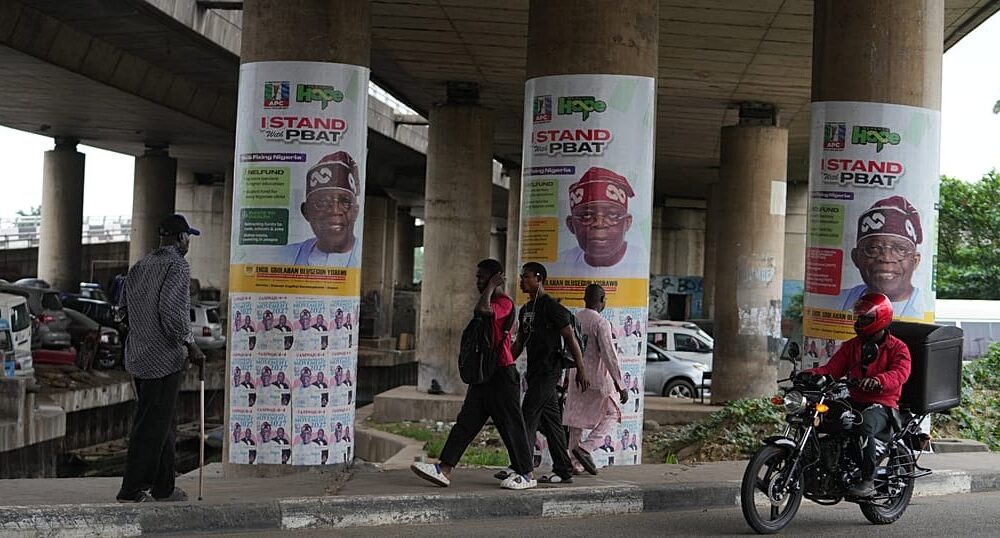
Nigeria’s President Bola Ahmed Tinubu is facing divided reactions to his Independence Day address and economic reform programme ahead of the country’s 2027 presidential election.
Table Of Content
In the speech, Tinubu said Nigeria had overcome major challenges since he took office in 2023. He presented the country’s path as a movement from reform towards prosperity and highlighted measures introduced by his administration.
The president said citizens would soon benefit from economic growth and envisaged a Nigeria where young people could find work. His government has argued that its reforms helped save the economy and provided the state with more funds.
Reforms and economic pressure
Tinubu’s administration began its economic programme with the removal of Nigeria’s decades-long fuel subsidy at his inauguration in May 2023. It later floated the naira by ending what the source described as a distorted foreign exchange rate.
The change led to a major devaluation of the naira. The reforms received support from investors but were followed by soaring inflation, leaving the administration under pressure over the effect of its policies on households and businesses.
Adeyemi Abayomi, a business owner, criticised the president’s message. He said the speech sounded like “rhetorics” and “campaign promises,” while describing the economic consequences of the naira’s depreciating value as “very poor.”
Abiodun Sowunmi, a public affairs analyst, offered a more favourable assessment, describing the address as “most compassionate” and saying it was intended to solve a problem.
Security and living costs remain concerns
The administration continues to face criticism over insecurity and the high cost of living. Nigeria is also dealing with security crises, corruption in government, widespread poverty and hunger.
Mass kidnappings and killings have persisted, with violence spreading to regions that had previously been spared the worst of the insecurity. These conditions remain central to public debate as Tinubu seeks to defend his record.
Tinubu was elected president in 2023 after campaigning on promises to build on his predecessor’s efforts to deliver democratic dividends to citizens. His current economic programme has therefore become a major part of the political argument surrounding his reelection bid.
Election contest
Nigeria’s presidential election is scheduled for January 16, 2027. Tinubu is being challenged by 18 opposition candidates, although analysts expect the main contest to develop into a three-man race involving Tinubu, Atiku Abubakar and Peter Obi.
Atiku and Obi were the two leading contenders defeated by Tinubu in the 2023 election. Their expected presence in the next contest is likely to keep attention focused on the government’s economic record, insecurity and the impact of reform measures on ordinary Nigerians.
The contrasting reactions to Tinubu’s Independence Day speech reflect the wider debate over whether his policies are laying the foundation for future growth or imposing excessive immediate costs on citizens. With the election approaching, the government’s claims of progress will continue to be weighed against public concerns about prices, jobs and security.




No Comment! Be the first one.