
Ethiopian Army Says 272 Tigrayan Fighters Killed in Amhara Counter-Offensive
Ethiopia’s National Defence Force says it killed 272 Tigrayan fighters and wounded 260 others during a counter-offensive in North Wollo, Amhara region.

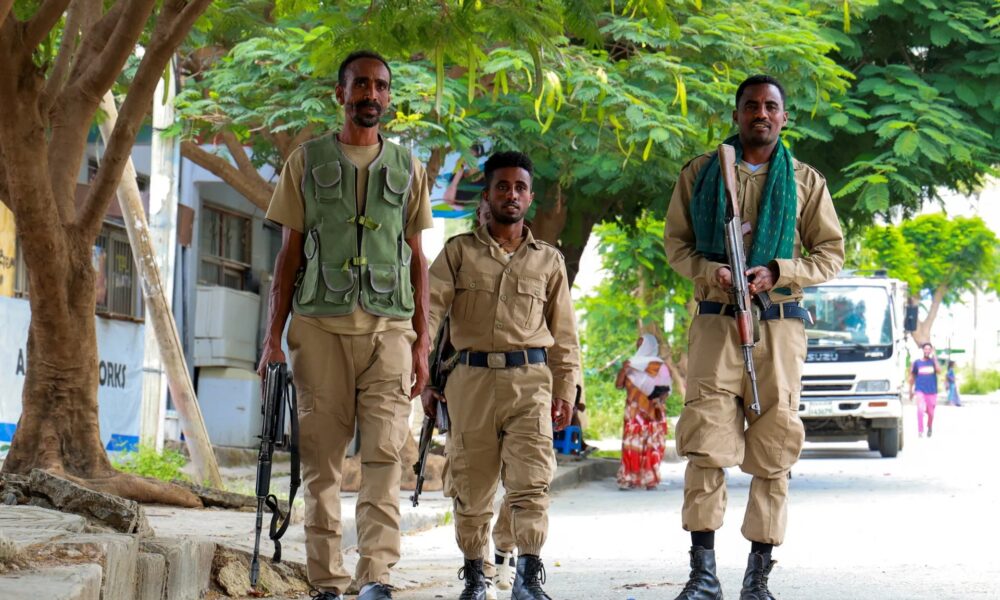
Ethiopia’s National Defence Force says it killed at least 272 fighters linked to the Tigray People’s Liberation Front and wounded another 260 during a counter-offensive in the Amhara region.
The army said the operation followed attacks by the TPLF and allied forces in several areas of North Wollo. It also said that several fighters were captured, although the reported casualty figures have not been independently verified.
In a statement, the Ethiopian military said government forces had inflicted “heavy personnel and equipment losses on the TPLF” during the response to the attacks.
Fighting spreads across northern Ethiopia
TPLF Vice President Amanuel Assefa confirmed that Tigrayan forces were fighting alongside local armed groups in Afar and Amhara. He described the escalation to AFP by saying, “We are in the situation of full-blown war now.”
The TPLF and six other armed groups have formed the Ethiopian Peoples’ Forces Alliance for Survival. The coalition has pledged to remove Prime Minister Abiy Ahmed’s government.
The alliance includes the Amhara Fano National Movement, the Oromo Liberation Army and movements from the Somali, Afar and Benishangul-Gumuz regional states. The groups have different political histories and grievances, and some have previously been in conflict with one another.
As fighting widened, the alliance said federal forces were attacking its members on several fronts. Tigrayan forces also reportedly seized three local airports, disrupting air travel. Flights to Lalibela were suspended, while AFP reported that fighting in the area led to the closure of the airport.
Lalibela, in Amhara, is known for its medieval rock-hewn churches and is described as a UNESCO-listed site.
Regional tensions
The renewed fighting follows the TPLF’s previous war with Ethiopia’s federal government, which began in 2020 and ended after two years with a peace agreement in 2022.
The latest escalation is also unfolding amid wider tensions involving Ethiopia, Eritrea and Sudan. Analysts cited in reports have said Eritrea supports Tigrayan rebels because of concerns that Ethiopia may seek access to the Red Sea by invading Eritrean territory. That assessment has not been independently confirmed.
Asked about Eritrea’s reported plans, Assefa said, “we have no information about Eritrea’s plan”. He also responded, “Not yet,” when asked whether the TPLF would seek Eritrean intervention.
Ethiopian President Taye Atske-Selassie Amde said in an address to the United Nations General Assembly that Ethiopia had shown “immense restraint”. He blamed what he called “the forces of destruction and mayhem” and “interference in our internal affairs by adversarial elements” for the escalation.
The army’s figures remain the only casualty count provided in the supplied reports, and there is no independent account confirming the number of people killed, wounded or captured.




No Comment! Be the first one.