
Sierra Leone Youth Crisis Draws Call for Coordinated Government Response
A Sierra Leone Telegraph opinion article calls for stronger government support for vulnerable young people affected by homelessness, substance abuse and social exclusion.

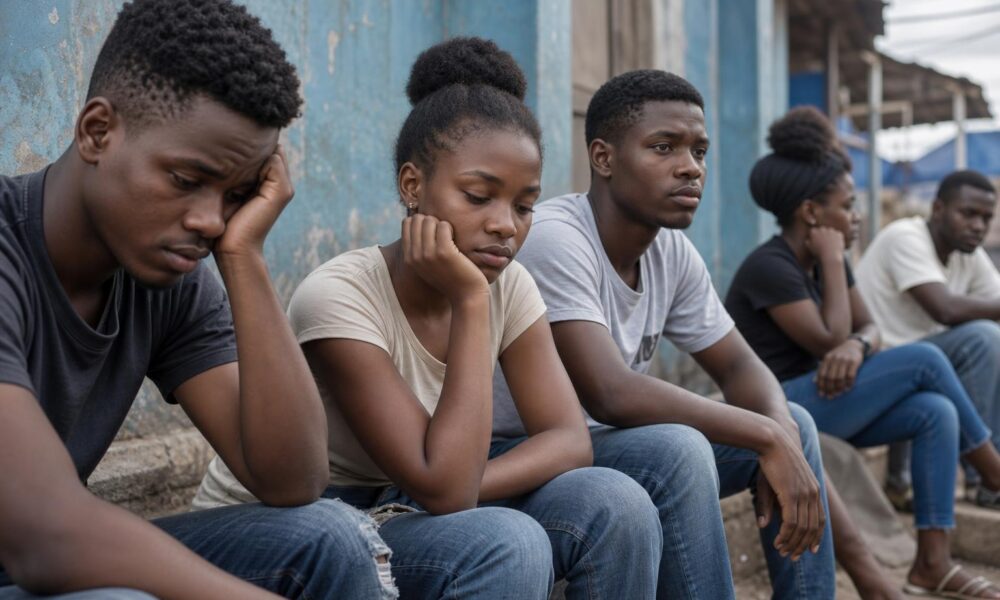
An opinion article published by the Sierra Leone Telegraph has urged the Government of Sierra Leone to give vulnerable young people the same level of attention being directed towards care for older people.
Table Of Content
Written by Alusine Mansaray and published on 15 September 2026, the article follows a video the author said he watched showing Chief Minister Dr. David Moinina Sengeh meeting Minister of Social Welfare Mrs. Melrose Karminty. According to Mansaray, the meeting included instructions to establish a care home for older people.
The author welcomed the reported attention to elderly care but argued that a comparable response is needed for young people facing homelessness, substance abuse, poverty and exclusion.
Concerns over vulnerable young people
Mansaray described young people seen around markets, streets, parks and bay areas in Freetown as appearing to lack stable homes, reliable sources of income and clear routes back into society. The article did not provide figures on the number of young people affected or on the availability of shelters and rehabilitation facilities.
It linked the use of Kush, tramadol and other forms of substance abuse to wider social pressures. These include unemployment, poverty, broken family structures, peer pressure, trauma, neglect and what the author described as inadequate rehabilitation and reintegration systems.
The article argued that young people affected by addiction should not be viewed only as a public nuisance or removed from public spaces without further support. Instead, it called for attention to the circumstances and needs of the individuals involved.
Proposed support measures
Mansaray proposed a coordinated national programme covering temporary shelters, rehabilitation centres, medical and psychosocial assistance, family reconnection, skills development and support for economic reintegration.
The proposed approach would begin with identifying people living on the streets, followed by accommodation and support, rehabilitation where needed, efforts to reconnect individuals with their families and assistance to help them return to productive economic and social life.
The article also referred to President Bio’s reported call for a comprehensive response to drug abuse. According to Mansaray, that response includes prevention, treatment, rehabilitation, reintegration, skills development and employment support.
Mansaray further cited the President’s Human Capital Development agenda, saying it includes protecting vulnerable populations and reintegrating displaced youth into social protection systems. The article did not provide details on the implementation status, funding, responsible agencies or results of those measures.
Parallel priorities
The commentary presented care for older people and support for vulnerable young people as complementary government responsibilities. It argued that establishing a care home for the elderly should be matched by practical action for young people experiencing homelessness, addiction and social exclusion.
The reported care-home instruction is based on the author’s account of a video. No further details were provided about the proposed facility, including its location, capacity, funding, timeline or services.
As an opinion article, the recommendations and assessments reflect Mansaray’s position rather than independently verified findings. Its central appeal is for a coordinated national response that combines protection, treatment, rehabilitation and pathways back into family, community and economic life.




No Comment! Be the first one.