
Comoros Foreign-Work Restrictions Put Malagasy Traders Under Pressure
A Comoros law restricting foreign nationals from certain jobs has raised concerns among Malagasy traders and sparked debate over economic sovereignty and discrimination.

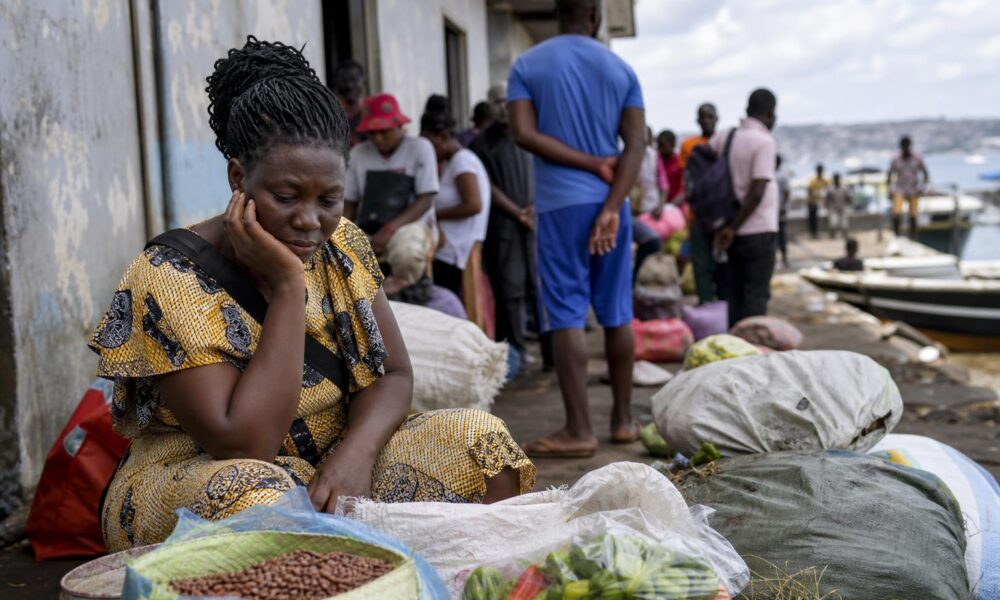
A new law in Comoros restricting foreign nationals from certain jobs is affecting foreign workers, including Malagasy nationals who run businesses in the country.
Table Of Content
The legislation was promulgated in July, although the specific jobs and sectors covered have not been identified in the available information. Critics have described the measure as discriminatory and warned that it could push vulnerable groups into greater economic insecurity.
Malagasy traders face uncertainty
Larissa Razafitianna is among many Malagasy nationals settled in Comoros. She operates a stall along the main road leading to the country’s largest market, where she sells shoes.
Razafitianna sends between 50 and 100 euros each month to her family in Madagascar. She said she was worried about her finances after her visa was refused for business.
“I’m really scared… because I came here looking to make money,” she said, adding that she did not know how she would earn money after the refusal.
The available information does not establish whether the visa decision was directly linked to the new law.
Supporters defend economic sovereignty
Supporters of the legislation argue that it is intended to strengthen Comoros’ economic sovereignty and promote social justice rather than exclude foreign nationals.
Hamidou Mhoma, vice-president of New OPACO, said foreigners remained welcome in salaried employment. He argued, however, that foreign entrepreneurs should focus on sectors where Comoros lacks skills or capital.
“We’re not chasing anyone away and we’re not banning anyone,” Mhoma said, describing the measure as a law of social justice.
His comments reflect the government-supporting argument that local economic opportunities should be protected while foreign investment remains available in areas where domestic capacity is limited.
Regional debate over foreign businesses
The Comoros policy comes amid wider regional discussion about the role of foreign nationals in local commerce.
Tanzania banned foreigners from owning and operating certain businesses in more than a dozen sectors last year. In Kenya, a similar idea was proposed after comments by President William Ruto about foreign hawkers triggered panic and some violence.
Critics of the Comoros law, however, say regional comparisons do not resolve concerns about its impact on people whose livelihoods depend on small businesses. They argue that restrictions could leave already vulnerable foreign workers facing greater precarity.
The number of foreign workers affected, the enforcement arrangements and any penalties under the Comoros law have not been specified.






No Comment! Be the first one.