
Kenya High Court Voids Vodacom’s 15% Safaricom Stake Purchase
Kenya’s High Court has invalidated Vodacom Group’s purchase of a 15% government stake in Safaricom, citing inadequate public participation and the absence of a national security assessment.

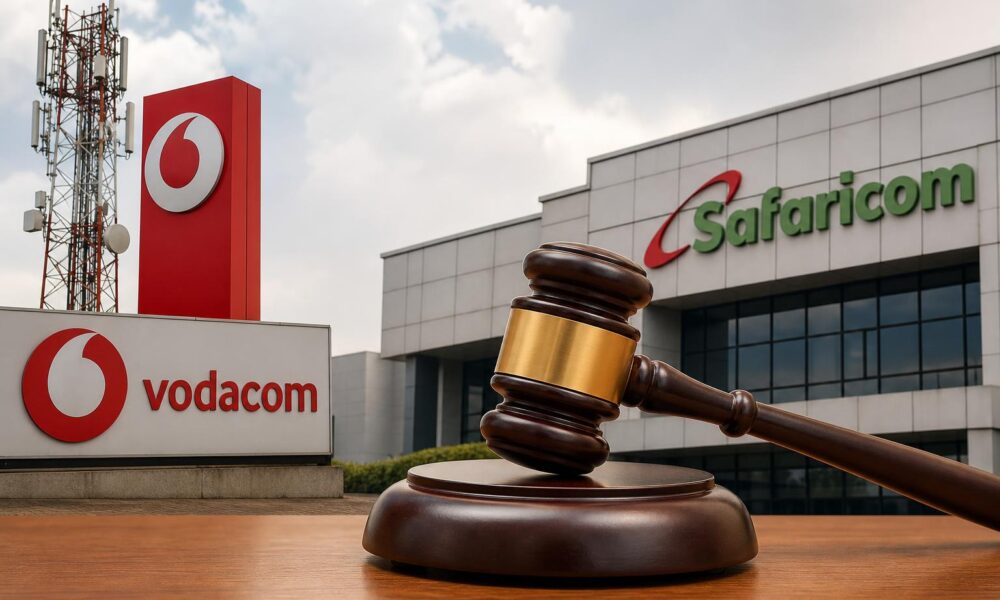
Kenya’s High Court has cancelled Vodacom Group’s purchase of a 15% government stake in Safaricom, ruling that the transaction was an unconstitutional takeover presented as a partial divestment.
Table Of Content
A three-judge bench ordered the shares returned to the Kenyan government on behalf of the public. The government has said it will challenge the decision at the Court of Appeal.
The transaction was reported to be worth KES 204.3 billion ($1.58 billion). Vodacom’s reported ownership of Safaricom rose from 39.9% to 55% after the deal, including an additional effective interest acquired through Vodafone Kenya.
Court criticises approval process
The judges found that the government withheld important information from the public, Cabinet and Parliament, while also misrepresenting the character of the transaction. The court struck down the process used to approve the sale.
Parliament held hearings in 30 counties, but the share purchase agreement and an agreement covering future dividends were not made public. The court said those hearings did not amount to reasonable, meaningful and purposive public participation.
“A declaration is hereby made that the partial divestiture of the 15% of the Government of Kenya shares in Safaricom was a camouflage merger or acquisition and takeover of Safaricom PLC,” the court said in its ruling, describing the transaction as contrary to the Constitution and the law.
The court also questioned why the shares were sold directly to Vodacom instead of being offered through a competitive process to identify a strategic investor.
Concerns over valuation and future dividends
The judges rejected the government’s explanation for the KES 34 ($0.26) per-share price. The state had relied on a KCB Investment Bank valuation that it described as including a market premium, but the court found that justification inadequate.
The bench also questioned an arrangement through which the government raised KES 40.2 billion ($311 million) by selling rights to future dividends from its remaining 20% Safaricom stake. The court viewed the arrangement as exchanging a long-term income stream from a public asset for an immediate payment, raising concerns about what future governments and taxpayers could lose.
Reported proceeds and future dividend rights linked to the transaction total KES 244.5 billion ($1.89 billion), although their final status is now subject to further legal proceedings.
National security assessment
The court ruled that safeguards provided by the Communications Authority and the Office of the Data Protection Commissioner could not substitute for a national security assessment before effective control of critical infrastructure moved to a foreign company.
Safaricom operates the M-PESA mobile money platform, supports government payment systems, provides infrastructure for election transmission and holds personal data belonging to millions of Kenyans.
“Even with regulatory safeguards, there is no guarantee that would prevent foreign and external influence or interference with the governance systems, personal security and data,” the judges said.
The sale was approved in March but delayed by litigation. The Court of Appeal allowed it to proceed in June while leaving open the possibility of reversal if the transaction was later found unlawful. The High Court ruling came less than three months after the deal closed.
The High Court declined to suspend its judgment immediately. It directed the government, Vodacom, Safaricom and the Attorney General to file an application seeking a stay while the legal process continues.






No Comment! Be the first one.