
Sierra Leone Launches 50-Day Countdown to 2026 Digital Census
Sierra Leone has launched the final 50-day countdown to its 2026 Population and Housing Census, the country's first fully digital enumeration exercise.

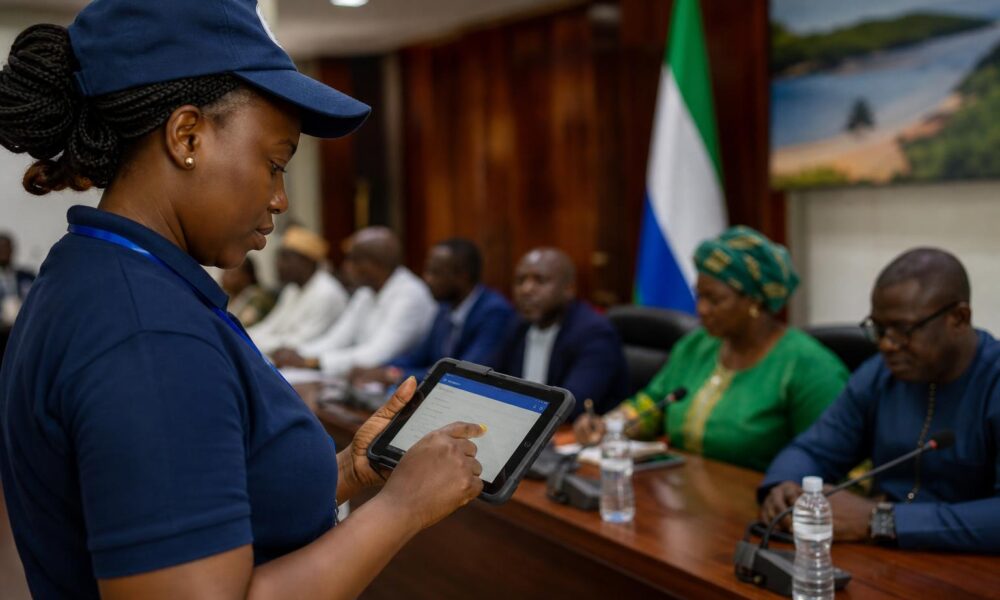
Sierra Leone has begun the final 50-day countdown to its 2026 Population and Housing Census, with officials and development partners calling for broad public participation in the country’s first fully digital enumeration exercise.
The countdown was launched at the Miatta Civic Centre in Freetown during a gathering that brought together government representatives, development partners, community leaders, civil society organisations, media organisations and representatives of the Sierra Leone People’s Party and the All People’s Congress.
Census Night is scheduled for 1 December 2026, followed by the start of nationwide enumeration on 2 December.
Preparations continue
Andrew Bob Johnny, Statistician General of Statistics Sierra Leone, said technical preparations were progressing but stressed that public participation would be essential to the exercise.
“A successful census depends on both technical preparation and public cooperation,” Johnny said.
Statistics Sierra Leone has reported progress in field readiness, training and the development of digital systems. Preparatory milestones have included a Mock Census conducted in July 2026, the Cartographic Mapping Outcome Report and the production of standardised training materials.
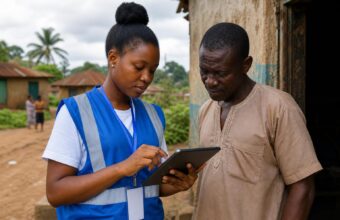
The census authorities have also received 25,000 electronic tablets intended for field operations. The devices form part of the infrastructure for collecting census information digitally.
Calls for public participation
Sibeso Mululuma, UNFPA Deputy Representative, said dependable population information was important for shaping policies and programmes and ensuring support reached vulnerable groups.
“High-quality population data is paramount. It provides the empirical foundation necessary to design targeted policies and programmes, ensuring assistance reaches the most vulnerable demographics and that no individual is left behind,” Mululuma said.
She urged development partners to maintain their support for the census. Community leaders, civil society organisations and media organisations were also encouraged to raise awareness, respond to public concerns and help counter misinformation.
UNFPA is supporting the preparations through technical assistance, capacity-building and operational support. The Governments of Iceland, Ireland and the United Kingdom are among the funding partners supporting the work.
Data for national planning
Kenyeh Barlay, Minister of Planning and Economic Development, described the countdown as a call for collective national action. She said the census would provide important evidence for development planning.
According to Barlay, reliable demographic information would help identify demand for public services, reveal gaps and guide investment towards communities with the greatest needs.
The census is expected to generate data for national planning, resource allocation and public investment in areas including education, healthcare, housing, infrastructure and social protection. It is also expected to support efforts to track development progress, inform public policy and advance the Sustainable Development Goals.
Households have been urged to cooperate with census officials and provide accurate information when enumeration begins.


No Comment! Be the first one.